



Akagera National Park just reached operational self-sufficiency, a major achievement that begs the question of why this is so rare. Examining the relationship between tourism and conservation in African safaris reveals far more complexity than many might imagine, and shows the role travellers play in this delicate ecosystem.
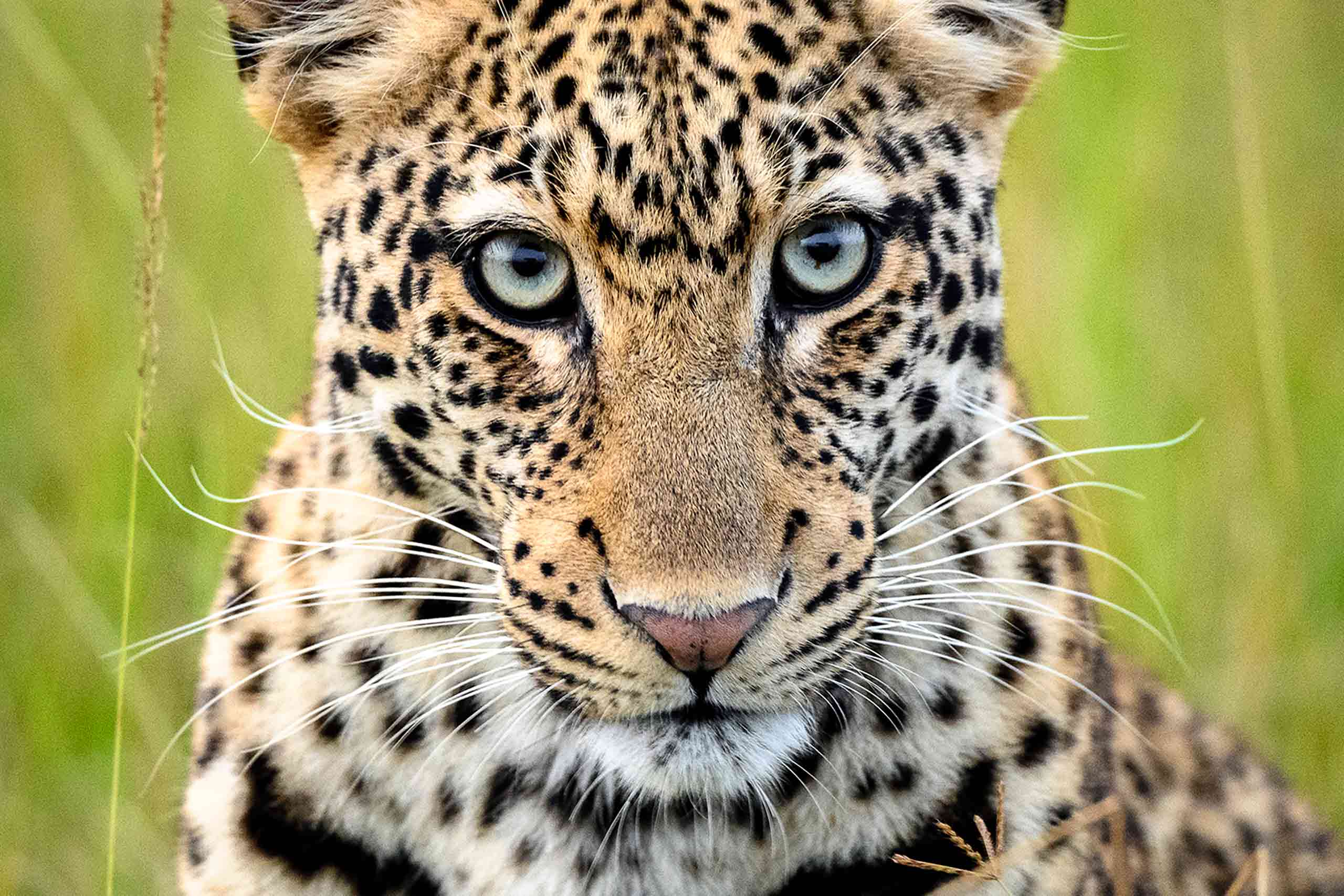
Akagera National Park is on the rise as a tourism destination, drawing media attention and visitors thanks to its restoration of the Big Five species – lion, leopard, elephant, rhino, and buffalo – and lack of crowds. Thanks in part to tourism, it has also become the first in a line of properties managed by NGO African Parks to reach operational self-sufficiency (covering its costs through commercial revenue), a big win for conservation.
But examine this news against the backdrop of safari tourism as a whole, and you see that it’s actually much more than a win. It’s a direct counter to the safari industry’s most misleading illusion: that tourism revenue and conservation always go hand in hand. The reality is that Akagera is an exception, and one that exposes how fragile conservation can be.
To discerning travellers, it may seem like a safe assumption that booking a safari or a stay in a high-end eco-lodge equals supporting the protection of the world’s wildest places, but the reality is much more complex than that. While the onus isn’t (or at least shouldn’t be) completely on consumers, if you are hoping to travel responsibly, it will help to understand the part you play as a tourist in the complex ecosystem of safari tourism.
The structure of Africa’s National Parks
To peel back the layers of safari tourism, let’s start with the three main ways that national parks in Africa are structured. There are state-run parks, private concessions or conservancies (in which communities or the government lease their land to private tourism companies), and NGO-state hybrids like Akagera, which is run by the organisation African Parks in collaboration with local government.
Many of the most popular parks designated for tourism are state-run, including Serengeti National Park in Tanzania. This means they are owned and operated by the local government and funded both by tourism and state budgets. The downside of this system is that it often means parks are mired in bureaucracy, which in turn weakens infrastructure and anti-poaching strategies.
When those things happen, properties can become ‘paper parks’, a phenomenon all too common in Africa and beyond, in which a swath of land is protected legally but lacks funding for management and enforcement. And in essence, protection without the money and systems to reinforce it is no protection at all.

Private concessions and conservancies offer a partial solution, as local communities or the government effectively lease their land to private companies for the purpose of safari tourism and, through it, conservation. These private companies then limit the number of visitors and charge high prices, attracting high-end travellers who pay for exclusivity. The intention is that this then leads to conservation (as the land and wildlife are protected as a product), stems overtourism, and brings greater cash flow to local communities.
This model, which runs in places like the Lewa Wildlife Conservancy in Kenya, is effective, but only to a point. Which is the reason luxury safaris can create the illusion that conservation is working or even thriving… In these small areas, it is, and that’s nothing to baulk at. But to protect the vulnerable ecosystems of these parks in their entirety, concessions need to function as part of a more widespread system.
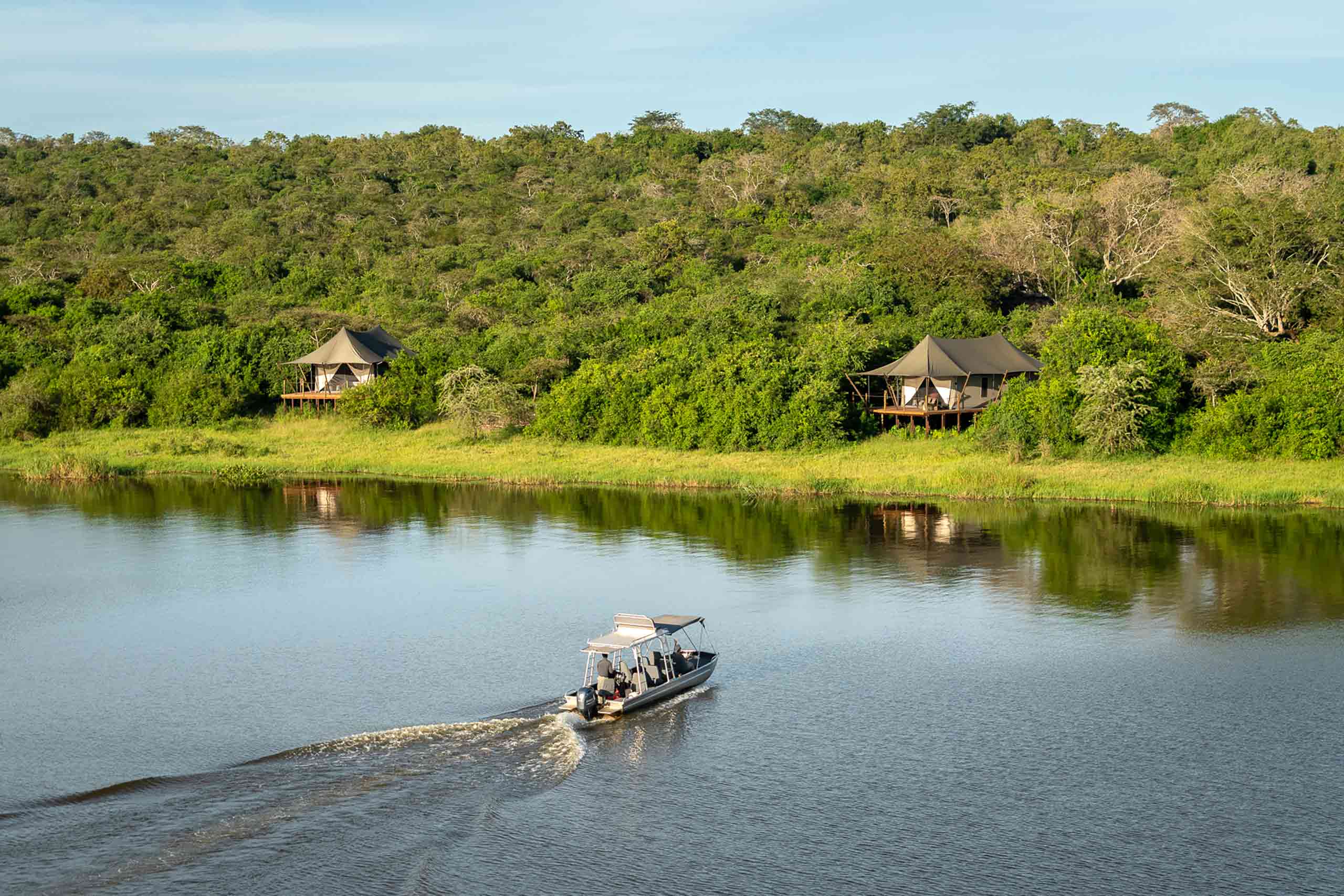
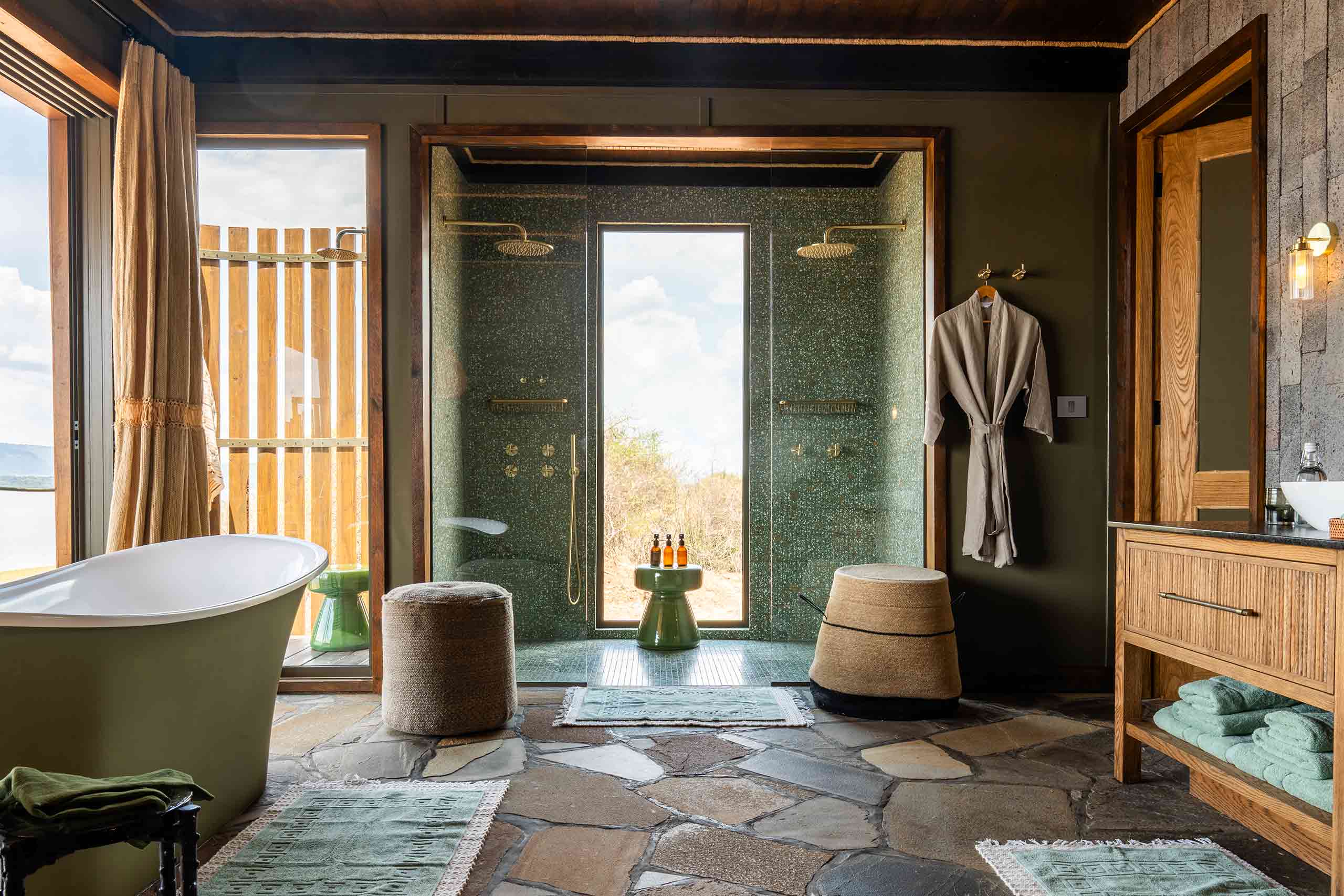
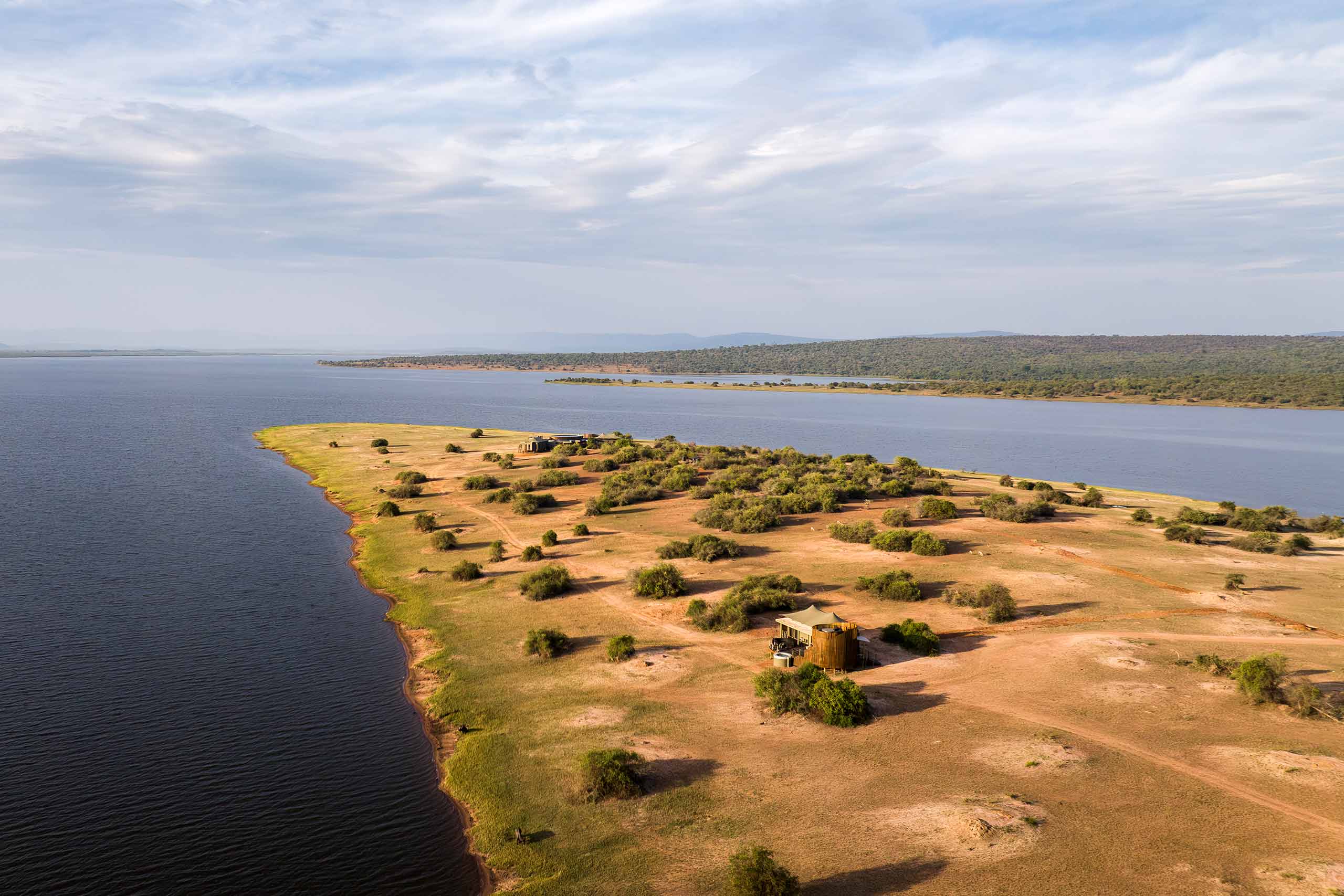
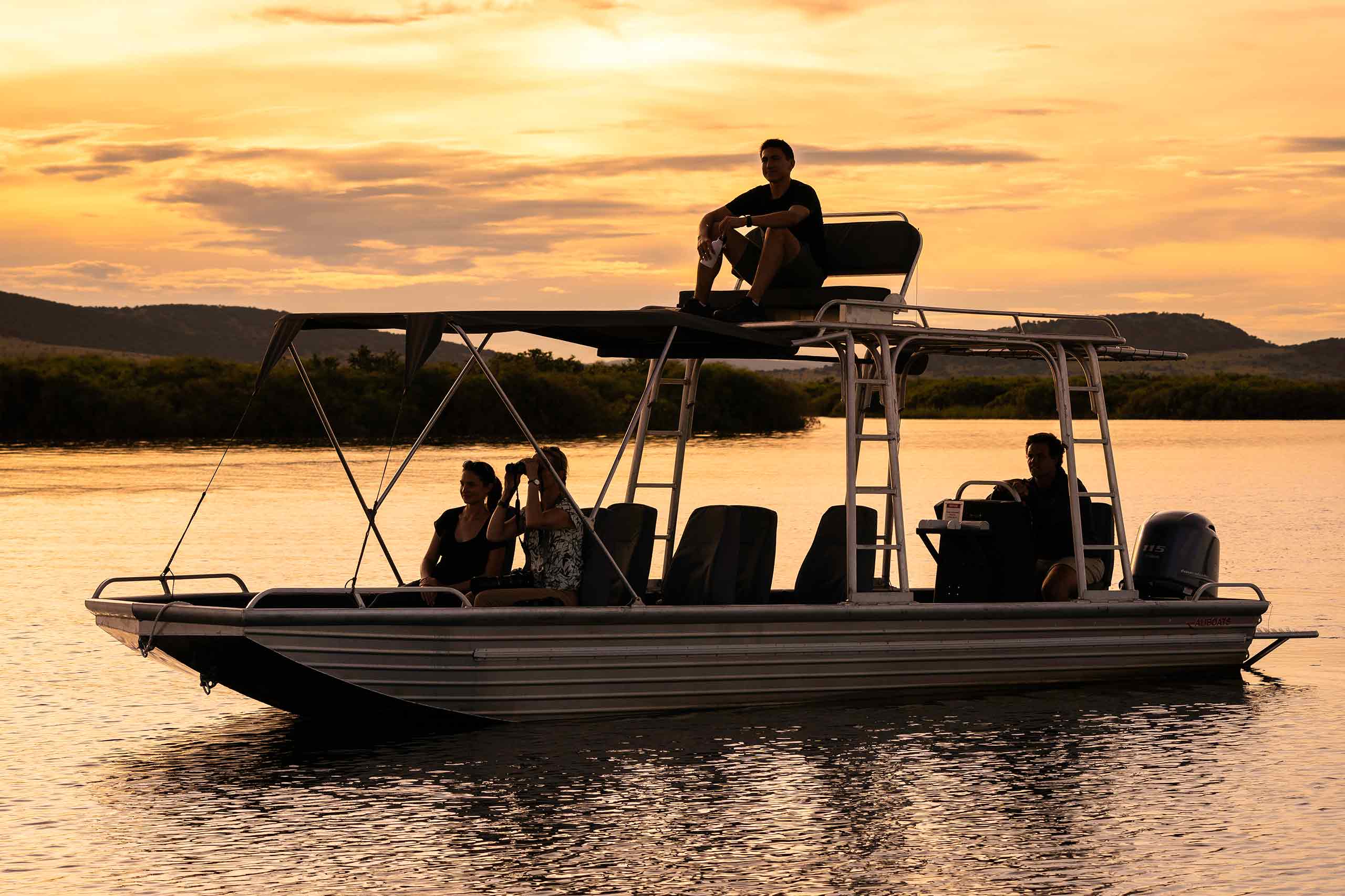
Some private companies have concessions within the boundaries of national parks, like Wilderness, which runs camps in eight African countries, including two inside Akagera: Magashi Camp, composed of eight tented suites on the shores of Lake Rwanyakazinga and Magashi Peninsula’s two suites and a villa on a private stretch of shoreline. In recognition of the brand’s work empowering local communities, Wilderness recently won our ‘Most OutThere Initiative in Community, Conservation and Sustainability’ award at The 2026 Experientialist Awards.
Manzi Kayihura, Executive Director of Wilderness Rwanda, spoke to OutThere about how the private concession has contributed to Akagera National Park’s success: “By generating high-value tourism revenue that directly funds park operations, conservation programmes, and community development”. Kayihura went on to explain that bed-night and conservation levies contribute to the park’s financial independence, while “reinforcing the link between conservation success and viable commercial tourism”.
Akagera receives income from private concessions, but its main model is that of an NGO-state hybrid, thanks to African Parks’ partnership with the local government. In this case, long-term management contracts give African Parks full operational control, and revenue is reinvested into the park. This model seems to work best for parks that weren’t previously profitable, giving them financial independence that then complements environmental recovery.
Akagera’s success story
In many ways, Akagera National Park is a true success story. As recently as the 90s, the park was teetering on the edge of collapse when it was reduced in size to accommodate refugees from the Rwandan genocide. During the messy aftermath of the national trauma, poaching went unchecked.
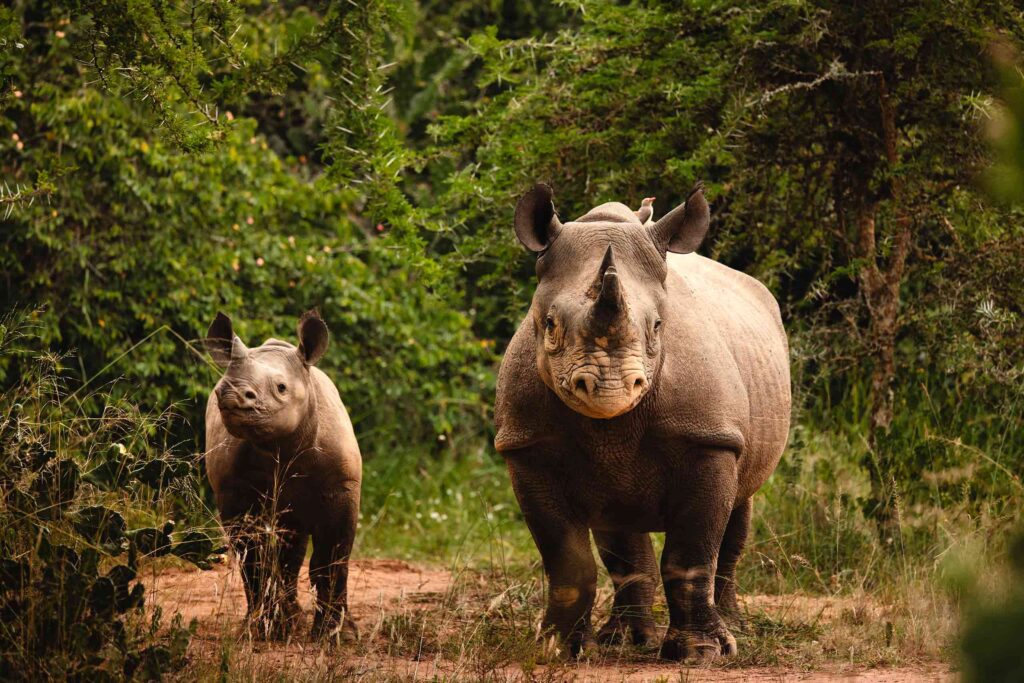
Just a few decades later, the park has reintroduced and stabilised the populations of keystone species. For example, the partnership between the government and African Parks has allowed them to ramp up anti-poaching measures and facilitate the translocation of 70 white rhinos from South Africa to boost the park’s population. Last year, only five animals were poached inside the park – a little over a decade ago, that number was 26.
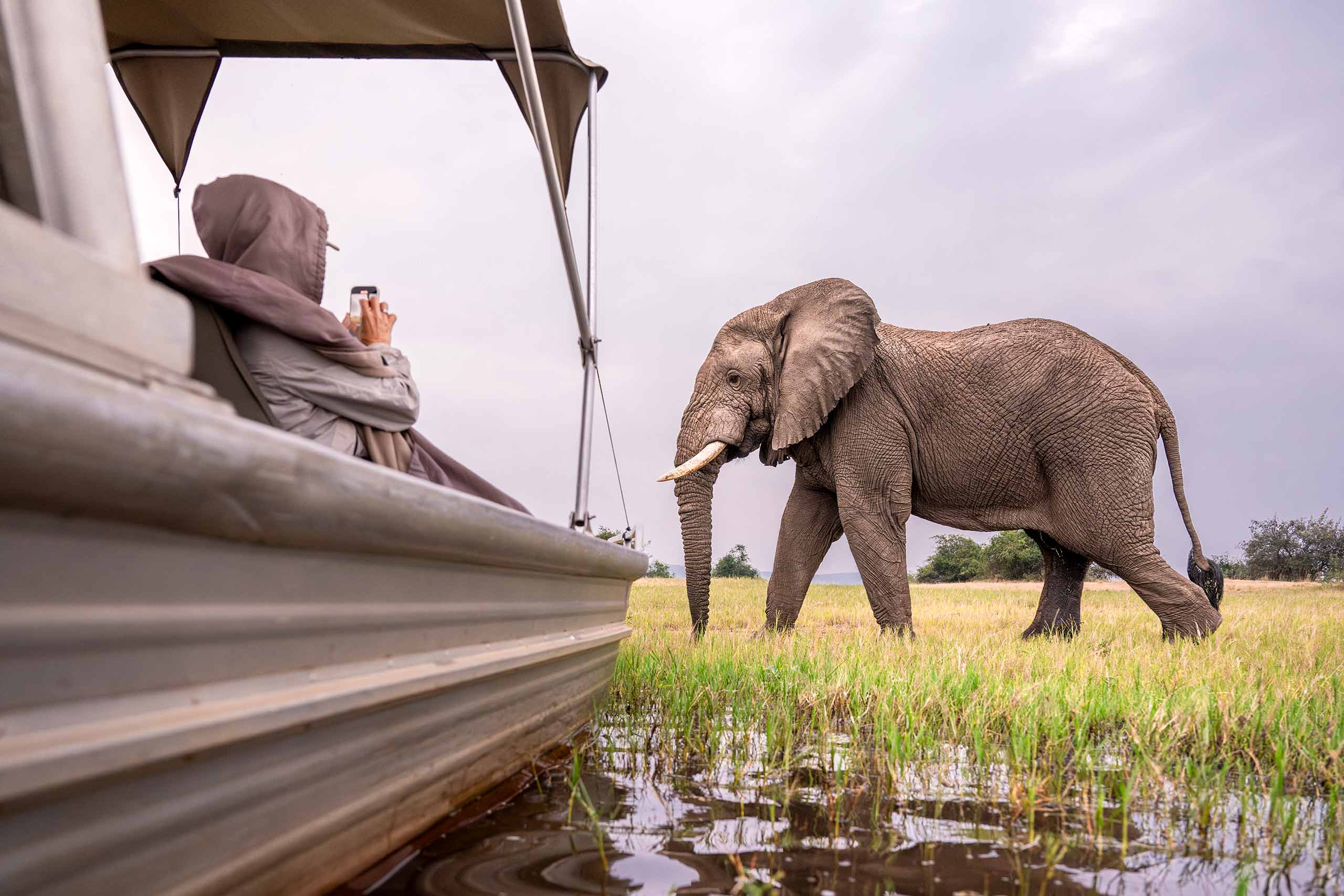
For travellers, this means the opportunity to book exclusive safari packages to spot the Big Five without the crowds expected in places like the Serengeti. The ability to offer a high-end tourism product has served as an incentive to take care of wildlife in the park, ending the previous reliance on gorilla trekking and expanding the experience for travellers so they plan longer stays and spend more money in the area. This money is, in turn, invested in the park and its conservation efforts. Essentially, Akagera runs like a business whose product is conservation.
So naturally, the question of why there aren’t more parks like Akagera appears. Other properties under the management of African Parks, like Garamba National Park in the Democratic Republic of the Congo and Zakouma National Park in Chad, are still recovering and aren’t yet viable tourism products, so cash flow is limited.
This model has also worked in other parts of the world. In India, tiger reserves are run by the state government with support from NGOs and are heavily funded so that anti-poaching and other measures are strictly enforced. In Costa Rica, national policy protects 25% of the territory and complements ecotourism. There, the National System of Conservation Areas has implemented zero-tolerance policies for anyone who tries to access protected wildlife areas.
In comparison, however, Africa is a land of contradictions, with the most developed private-sector conservation economy thanks to its long legacy of safari travel, yet also a low success rate when it comes to actual protection of land and wildlife. As Akagera’s story goes to show, a big part of that low success rate is tied to funding – conservation follows money, so conversely, conservation failure is often tied to finances.
Community involvement
It’s also worth noting that conservation and local communities are inextricably linked, as people who live on protected land act as its stewards. Some parks have attracted controversy for the way they’ve worked with local communities, and none so much as the Serengeti, which has lost global funding for the often violent displacement of the Maasai people in the name of conservation.
In Akagera’s case, community enterprise support and the national Tourism Revenue Sharing Scheme both fund local cooperatives and community projects. Meanwhile, local campaigns to raise awareness of the dangers of poaching are prompting real change, as community members have voluntarily surrendered wire snares and weapons. Rwanda’s monthly Umuganda, a holiday during which locals participate in mandatory community service, also brings people together to work on community development and conservation projects.
Concessions inside the park also support local communities. As Manzi Kayihura explains: “Wilderness embeds local community involvement across every stage of lodge operations, from construction to ongoing management”. The lodge is staffed almost entirely with locals. During their stay, guests can also engage with each region’s communities: “It adds depth and authenticity to their experience”.
What this means for travellers
The safari industry has successfully honed conservation as a luxury product, but for this to have a resounding impact, there needs to be a system-wide shift, too. After all, the idea that the responsibility for things like conservation and ethical tourism practices falls squarely on the shoulders of travellers themselves is a convenient myth – much like the concept of a personal carbon footprint, which is a scapegoat for the systems, institutions, and large businesses that pollute at a much more extensive scale. At the end of the day, it’s up to governments, NGOs, and businesses to work together to conserve precious natural resources and provide conscious travellers with opportunities to support positive-impact initiatives.
The good news is that Akagera is now a beacon for other national parks in Africa, acting as an example of what happens when legal protection is backed by the necessary funding and successful integration of tourism.
For us travellers, one thing is for sure: Our bucket-list safari adventures are a key part of conservation in African national parks, especially if we make informed choices about where to go and which companies to travel with.
www.visitrwanda.com | www.wildernessdestinations.com
Photography courtesy of Wilderness and Visit Rwanda