
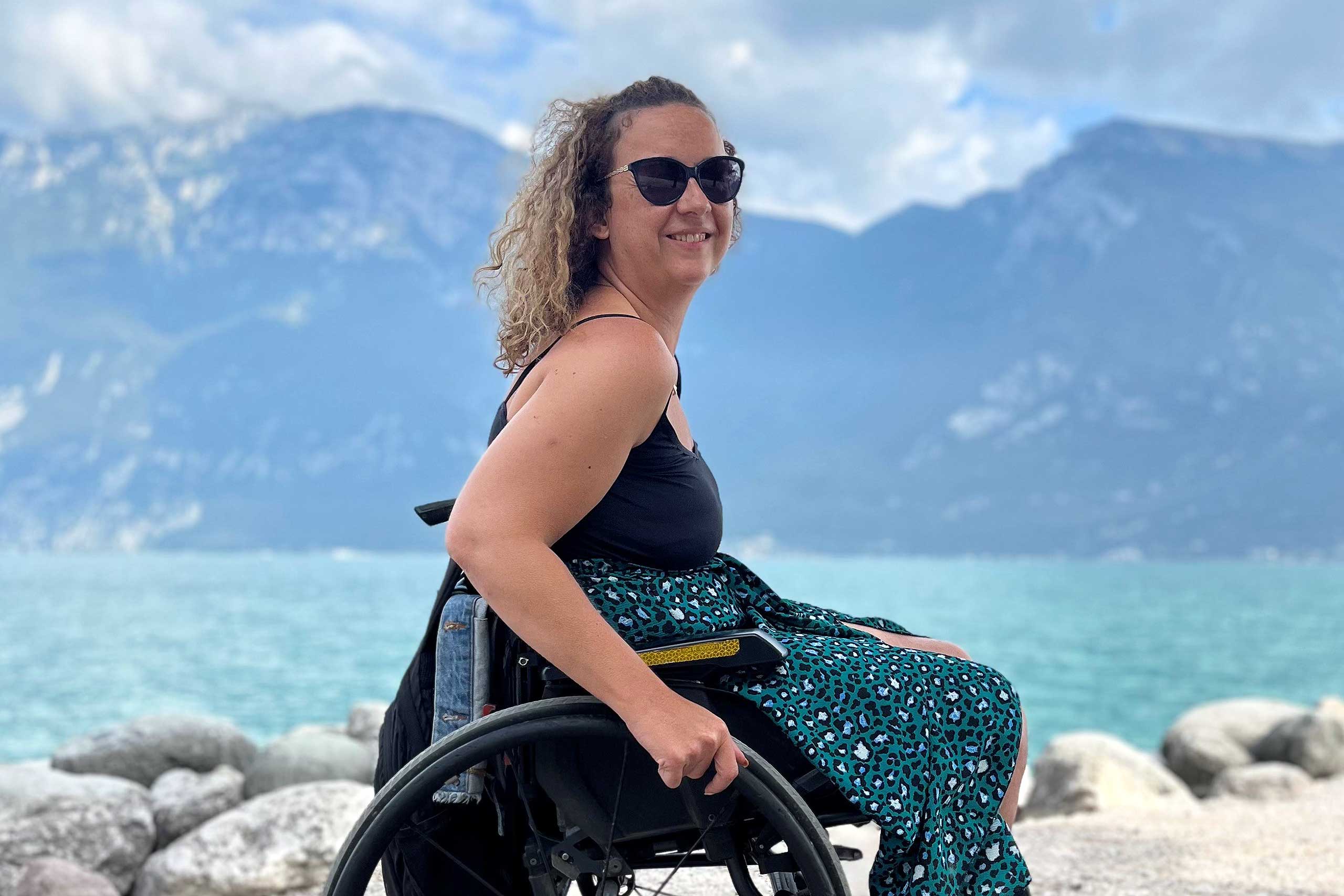



Ranked among the United Kingdom’s top 100 most influential disabled people on the Shaw Trust Disability Power 100 List for several years in a row, travel blogger Carrie-Ann Lightley has been making waves for a while. Following up from her appearance on a panel at OutThere’s 2025 Icons of Inclusion event, the accessible travel advocate again shares her thoughts on how the industry can – and must – improve to become inclusive of all. Here is Carrie-Ann’s disabled travel wish list for 2026.
Luxury can mean many things. For some, it’s thread count. For others, it’s a rooftop pool or a Michelin-starred tasting menu. For me? Luxury is being able to open the balcony door of my hotel room without help. It’s not having to rearrange furniture to reach the wardrobe. It’s the freedom to travel like everyone else. And if you’re a disabled traveller, I’m guessing you know what I mean.
We’ve come a long way in the travel industry. There are more destinations than ever making efforts to include disabled travellers. But even now, going on holiday often comes with trade-offs – dignity for accessibility, spontaneity for planning, style for function. Disabled travellers deserve more. So as we head into 2026, here’s my wish list. A few things I’d love to see – and that I hope will resonate if you, like me, are looking for travel that truly includes all.
It starts with design. I’ve lost count of how many “accessible” rooms I’ve stayed in where the layout just didn’t work. Spaces that look great online, but where I can’t get to the window, turn in the bathroom, or use the mirror without a view of the brick wall above my head. Here’s the thing: real accessibility is about how a space feels to move through. Has it been tested? Did someone like me help design it? If you’ve ever arrived somewhere and felt exhausted before you’ve even unpacked, you’re not alone.
But it’s not only about physical design. We talk a lot about ramps and grab rails, but emotional access is just as important. I’ve been to places where I felt stared at, apologised for, or awkwardly “helped”, and others where everything felt calm, easy, and respectful. True luxury is being met with confidence, not hesitation. A team that knows how to support you without fuss, just like any other guest. A space where inclusion is assumed, not awkwardly bolted on. That’s the kind of travel I want more of in 2026.
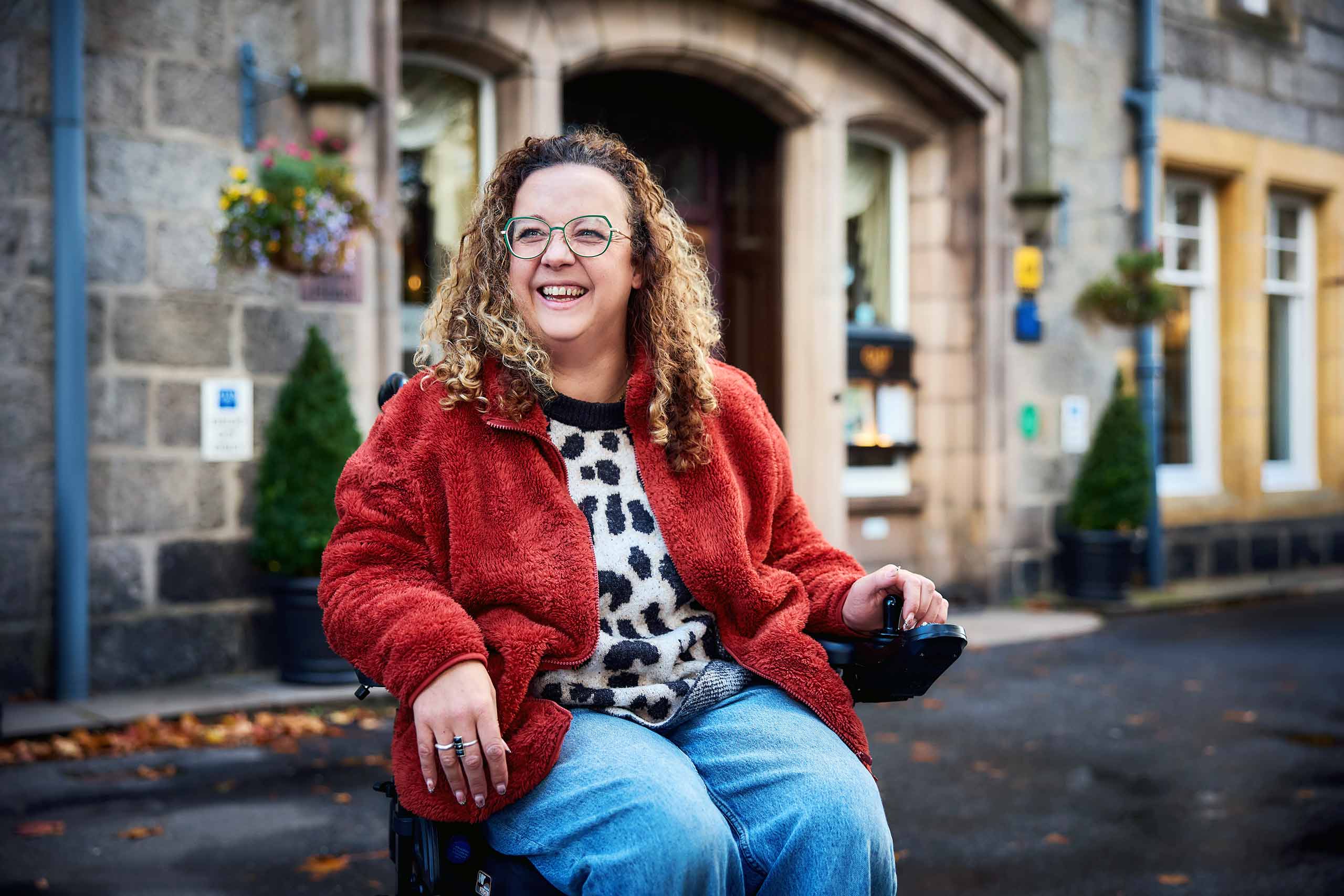
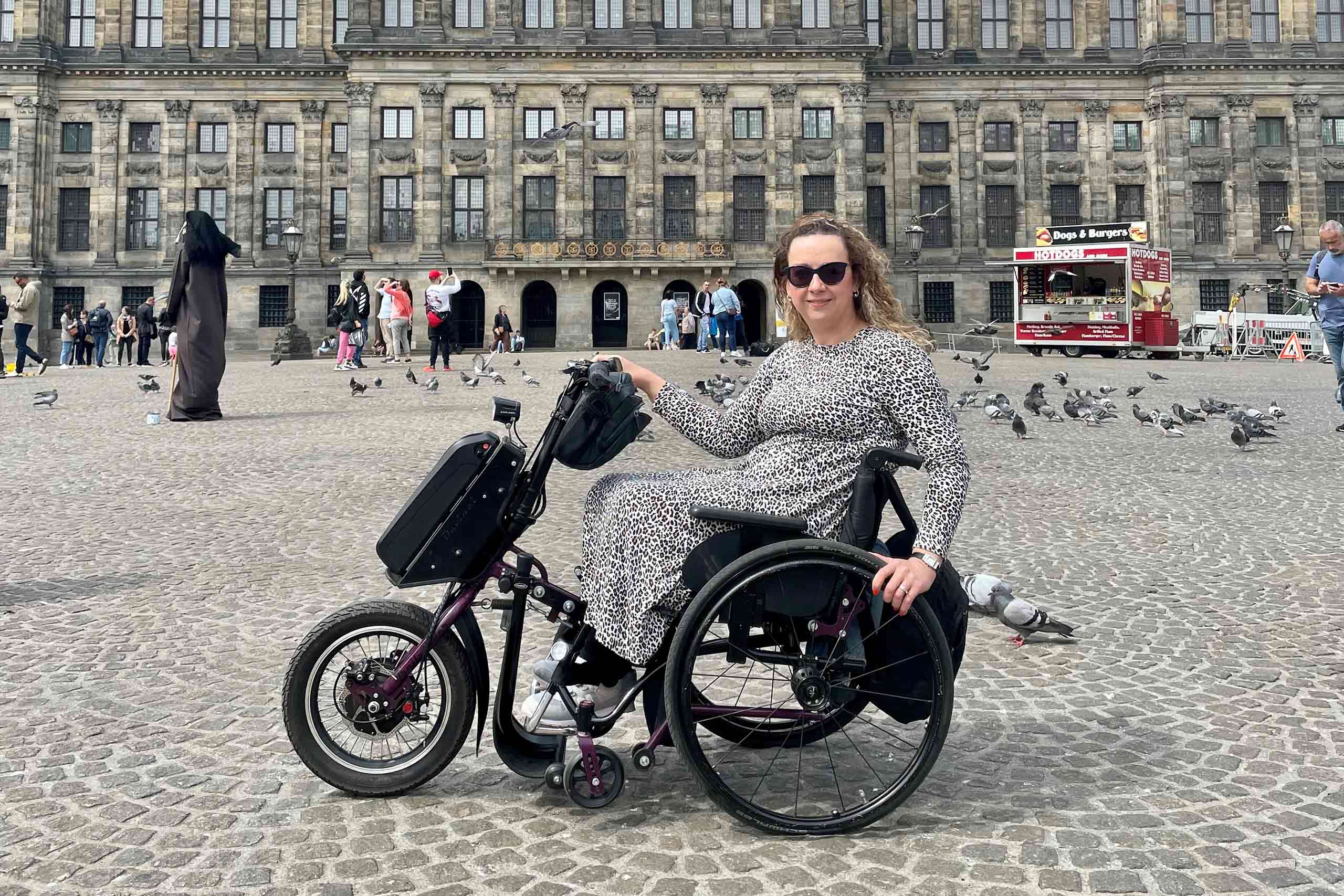
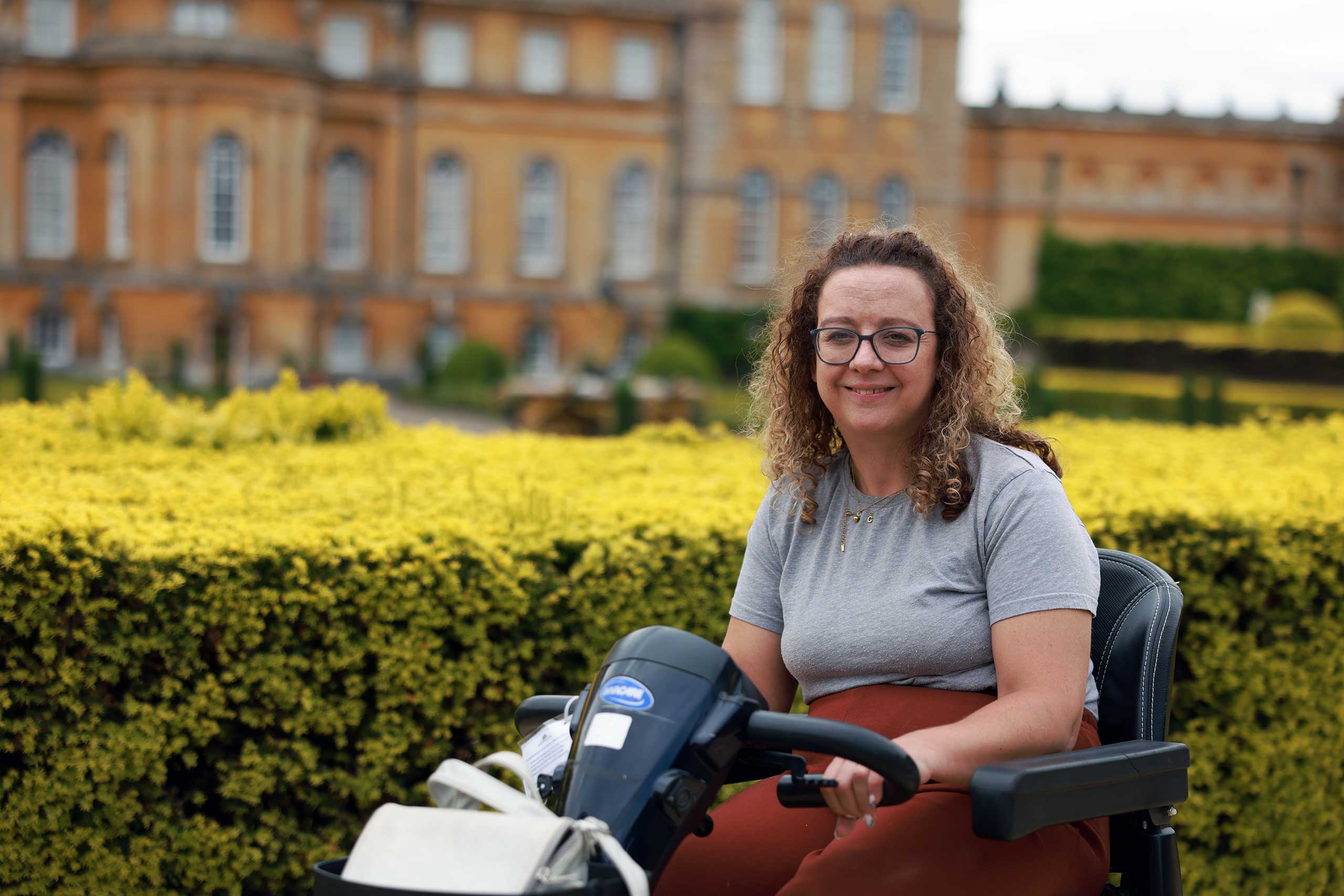
There’s also the question of clarity. If you’ve ever booked a “fully accessible” room and found steps at the hotel entrance, or a bathroom that’s technically accessible, but not to you, you know how frustrating vague information can be. The phrase means nothing unless it’s backed up with detail. I look for places that show measurements, photos, and honest descriptions. It’s not about perfection but about knowing what to expect. There’s nothing luxurious about crossing your fingers until check-in.
Representation matters, too. When disabled travellers appear in travel content, it’s often with a side of “inspiration”. We’re either heroic or invisible. But I want to see more of us just being – having fun, relaxing, getting sunburnt on a lounger like everyone else. I want to open a luxury travel magazine and see a wheelchair user in a five-star spa, a blind person on a food tour, someone with a mobility aid exploring a vineyard. Because that’s what real inclusive travel looks like.
And of course, there’s the question of spontaneity. How many times have you had to plan assistance 48 hours in advance? Or been told to wait by the side entrance? I dream of a day when I can just go – grab lunch, change plans, take the scenic route – without checking access six times first. Occasionally, I get a taste of that. A last-minute accessible dinner reservation, or a hotel that just works. I want more of that in 2026 because spontaneity shouldn’t be something disabled people have to give up.
If you’re a disabled traveller reading this, I see you. And if you’ve felt disheartened by the limitations or the let-downs, I have, too. The truth is that accessibility isn’t extra. Inclusion isn’t a nice-to-have. It’s an absolute necessity – without it, travel excludes and dehumanises us. You deserve luxury that includes you without asking you to shrink or explain. The industry has a responsibility to do better. Anything less perpetuates inequality and signals, yet again, that some people’s freedom and joy are less important than others’. Travel, at its best, lets everyone belong. In 2026, that cannot be optional. It must be the baseline.
Photography by Allan Myles (Visit Scotland), Rachel Airey (Surfr Media) and courtesy of Carrie-Ann Lightley