
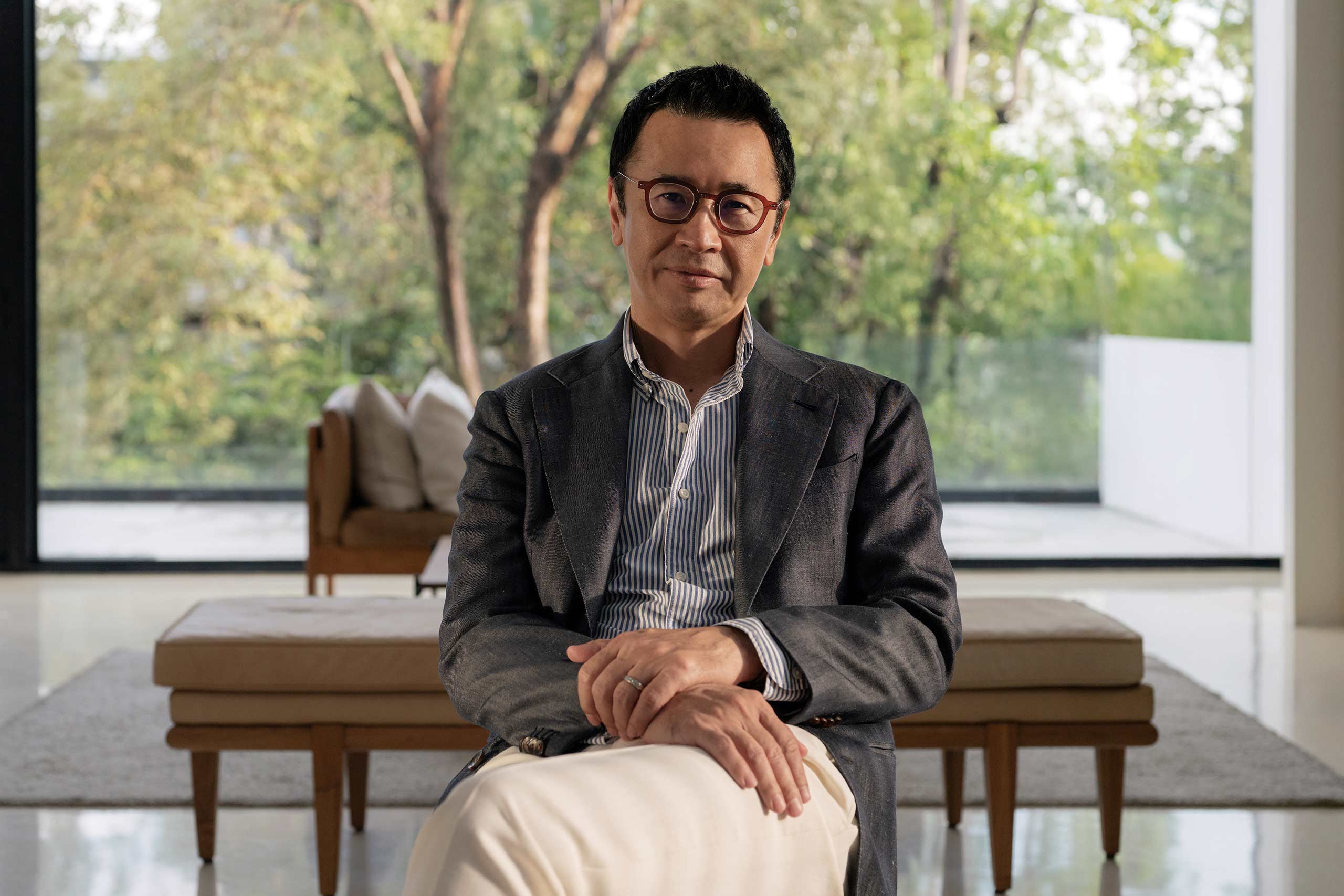



Ahead of the opening of a new Six Senses in the French Loire Valley, Clint Nagata, founder of BLINK Design Group, sits down with OutThere to explain the role of cultural exchange in creative practice, how his growing team of ‘explorers’ finds ideas and inspiration on the ground, and the importance of unlearning what you know of a place.
Legacy is a word we often hear in design. But for Clint Nagata, legacy is less about a portfolio of greats, nor a stash of awards, and far more about philosophy. As the founder of a design firm now in its second decade in practice, it’s his investment in talent that has stood the test of time – shaping not just a studio, but instead a culture that endures.
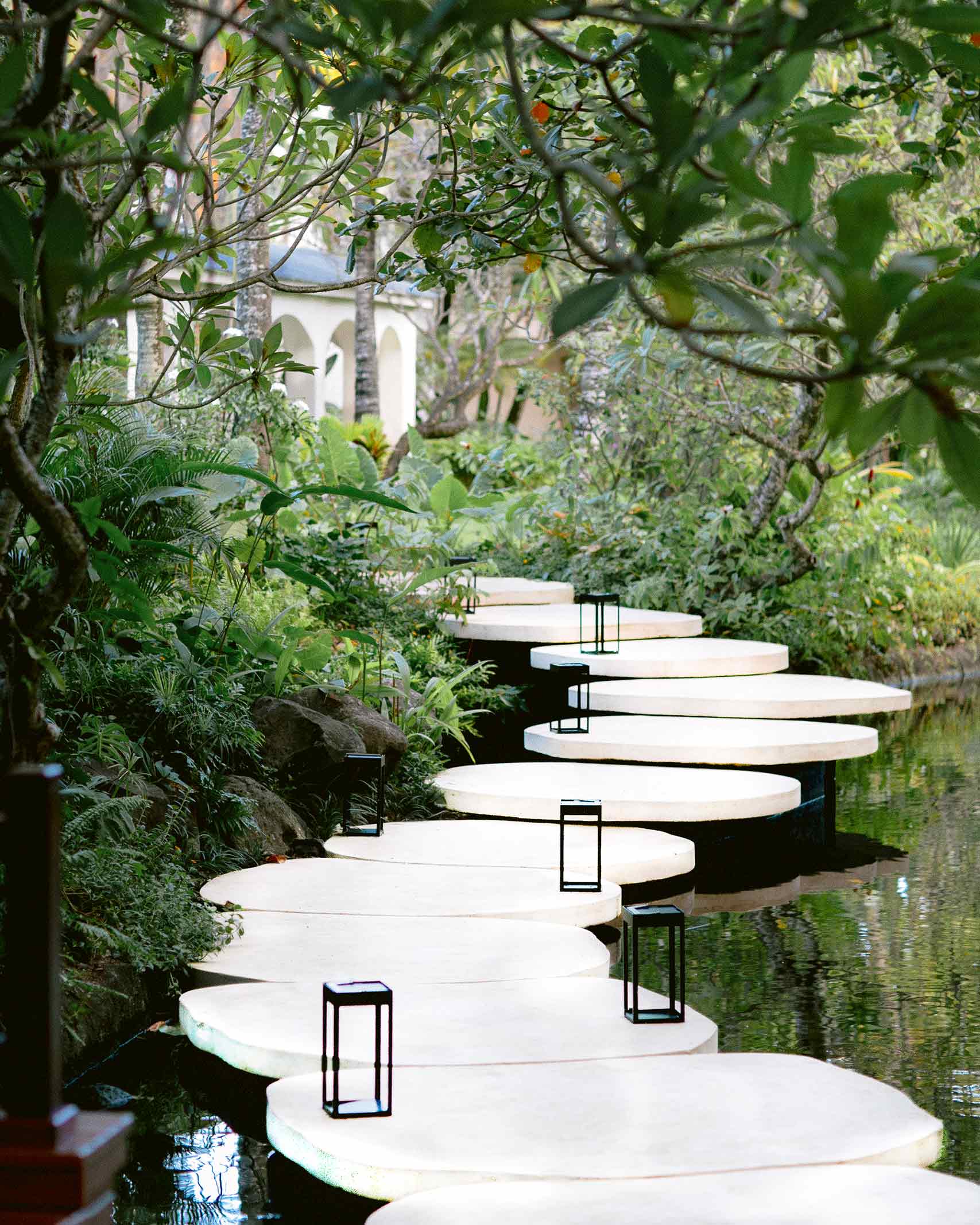
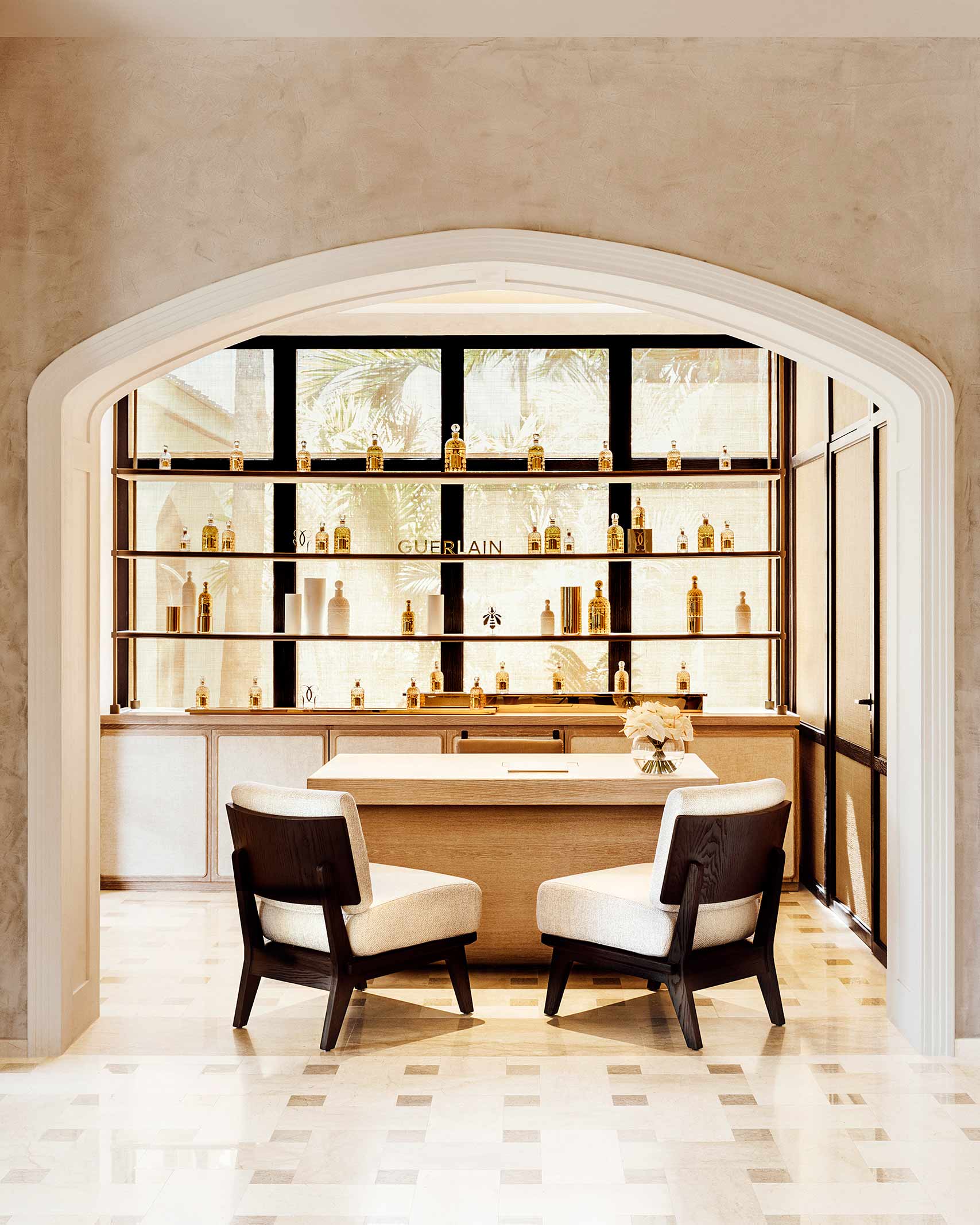
At the core of that culture is Nagata himself. Born and raised on the Hawaiian island of Oahu, the Bangkok-based designer’s lifelong affinity for travel has fuelled the firm’s creative projects across borders and time zones. From the beaches of Bali to the forests of France, the Maldives and Mauritius, BLINK’s thoughtful and context-rich approach to hospitality finds expression in some of the world’s most celebrated hotels and residences.
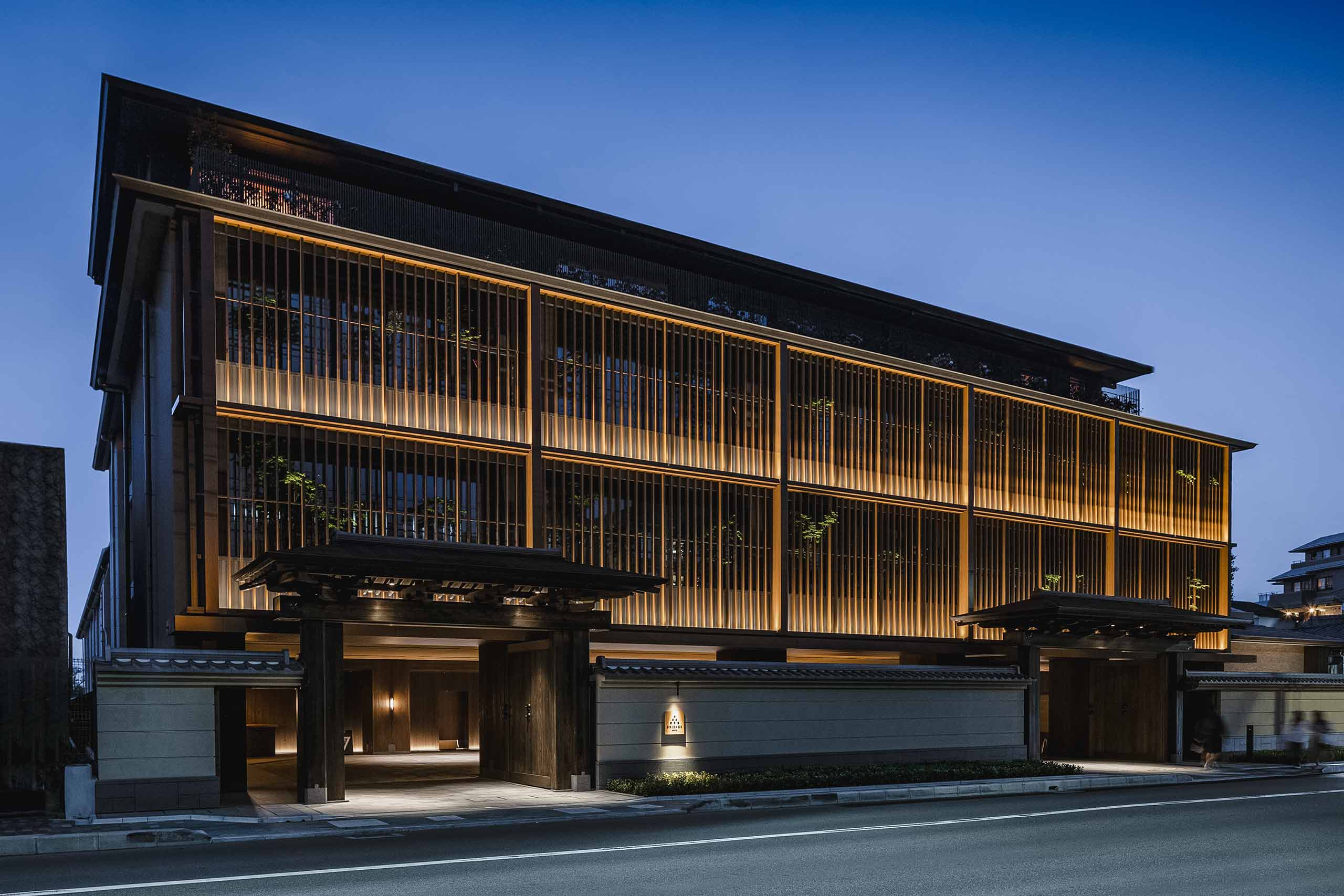
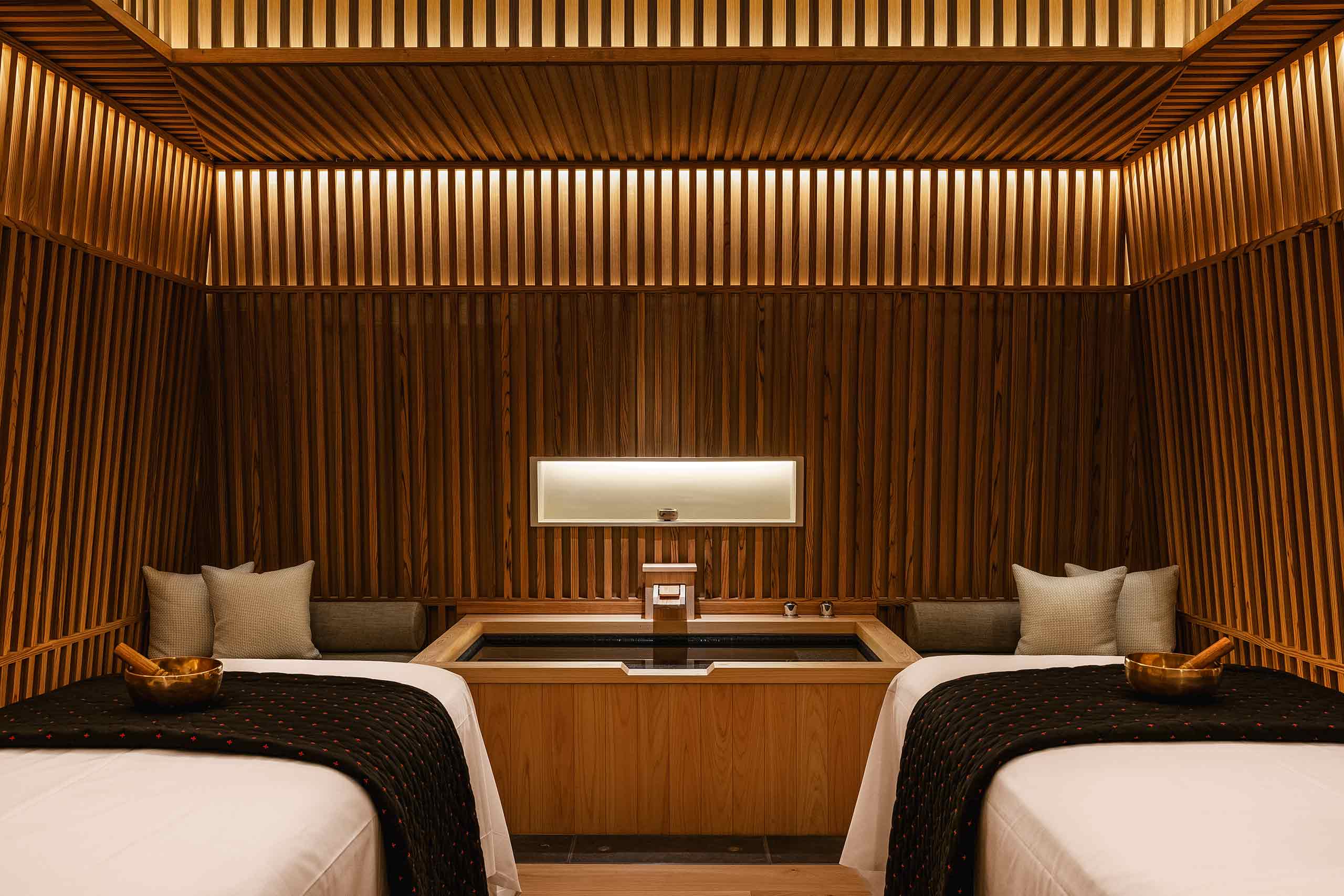
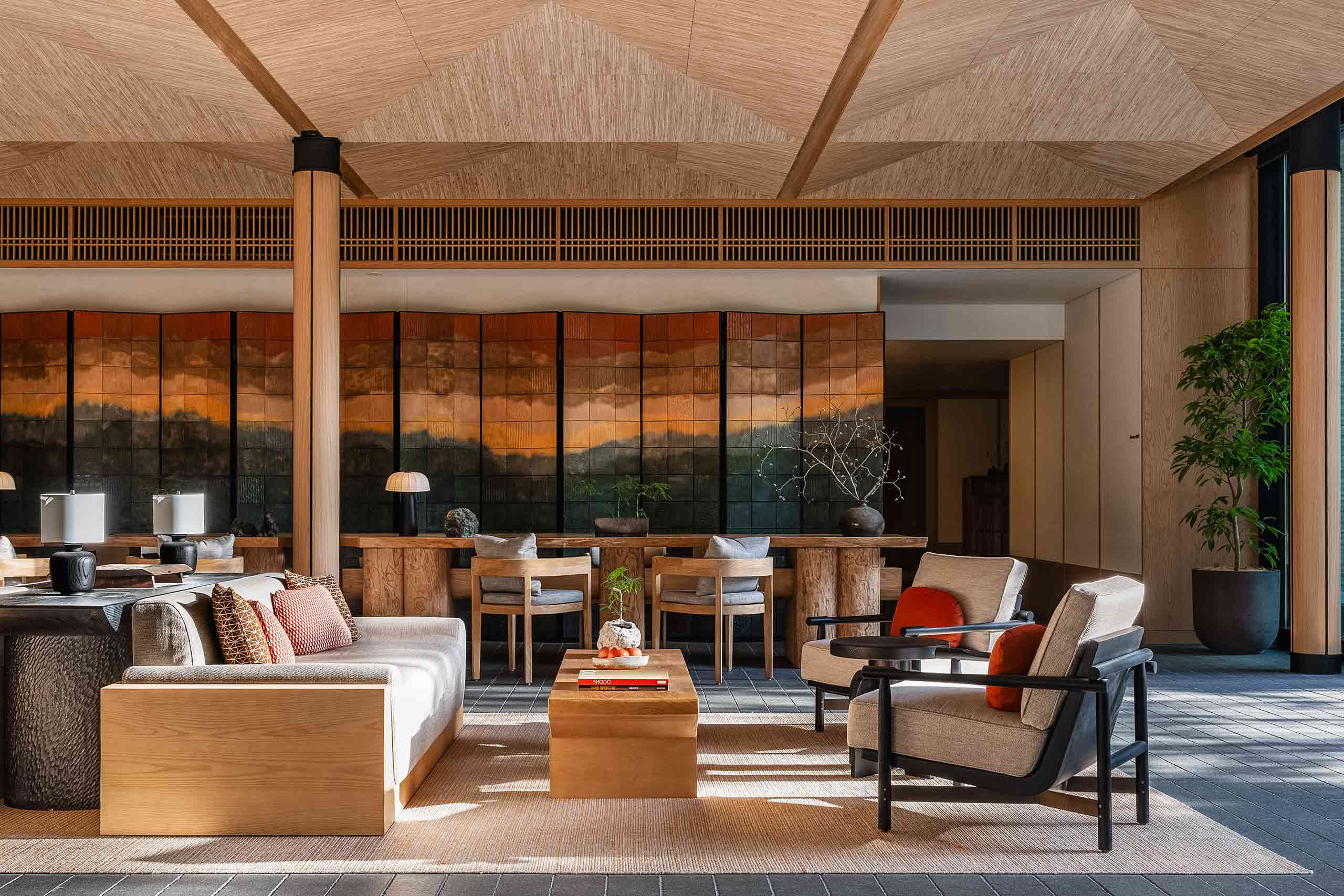
No two projects are ever the same. Amongst work with One&Only, Raffles, and Banyan Tree, it is perhaps Six Senses Kyoto that best exemplifies the studio’s approach. Beginning with an immersion into local art, lore, and tradition, the design concept looks back to the Heian era, which saw a flourishing of the Japanese arts. Neighbouring artisans were invited to contribute pieces throughout the property, adding an authentic flourish to a layered, transportive, and poetic cultural tapestry (one that, mind you, we very much enjoyed).
Self-described as the group’s steward, rather than its shadow, Nagata’s leadership illustrates a firm belief in ‘flat’ collaboration, design as an act of exploration, and the sharing of ideas – without limits. Launching an innovative exchange with Keiji Architects in Tokyo, the studio sends a designer across each year to foster learning and collaboration between leading – and somewhat competing – architectural offices. And a quarterly scholarship, in honour of a beloved ex-colleague, encourages BLINK’s young team to explore new territories and return with an enriched, and oftentimes uncharted, perspective.
For an industry that can value ego above exchange, Nagata’s model of practice is generous and compelling. It reflects an approach to design as dialogue, an opportunity to engage deeply with a locality far beyond the superficial – and a daring refusal to leave a standardised style or signature behind. The work is an antidote to luxury’s copy-paste-repeat problem, and stands out as cultural storytelling a cut above the rest. More than anything, it is a welcome reminder that the most memorable experiences are rarely generated, but far more often discovered.
Nagata, and his legacy, however, are far from finished. With a newly opened London base (joining Bangkok, Dubai, and Singapore), the designer is looking next to Africa, and elsewhere in the Middle East. For a progressive practice like BLINK, the role of design in enhancing the inclusivity of travel should be top of mind – if it’s not already. The Victoria & Albert Museum’s stand-out showcase, entitled Design and Disability, is an apt and timely call to rethink who design is really for, and who it continues to overlook. In an industry built on notions of welcome, that responsibility carries definite weight.
With its first project in Europe soon to open, this studio’s philosophy is still being sketched out, but it will certainly stand as one to be remembered. With OutThere, Clint Nagata discusses his vision for the future and why an unconventional approach is sometimes the best.
Tell us more about your exchange programme with Keiji Architects in Tokyo. How did it get started?
All great ideas find inspiration in the most unplanned moments. On the night that Keiji and I met, at Six Senses Kyoto, we ended up at a house that Keiji had designed, overlooking a beautiful temple. It was then that we came up with the idea for an exchange program where we would send someone across to have the experience of working not only in another studio but in another country. Talent inspires talent, and needs constant nourishment.
How has this cultural exchange impacted the studio? In what way have these initiatives become so integral to your philosophy?
Understanding how our environments shape us made me realise that successful design needs to cross cultures. Marc, who had the opportunity to live in Tokyo for six weeks, came back with stories, memories, and new friendships that he still carries with him today. There is no greater inspiration than the world around us, and we encourage everyone at BLINK to be an explorer.
That’s why we also invest in programmes like ‘A Wish to Remember’. Every quarter, someone is given the chance to step out of the studio, explore the world, and come back with new perspectives. These trips aren’t rewards; they’re preparation. A moment to recharge creatively, to see design from a different lens, and to return with something to share.
BLINK’s team structure is ‘flat by design’. Why is this important to you, and what opportunities has the approach unlocked?
We’ve always aimed to stay flat, not just structurally, but in mindset. Titles don’t dictate contribution, and good ideas don’t follow hierarchy. Everyone has something to offer, and everyone gets heard. It’s not uncommon for someone fresh out of university to sketch ideas directly with me or sit alongside a director in a concept meeting. That’s by design. We care more about the strength of an idea than where it came from.
When we travel, we often bring junior designers, even if it means covering the extra seat ourselves. That’s because seeing the work in context, meeting clients face-to-face, and walking the site is where real development happens.
You work across cultures daily. What’s something you’ve had to unlearn as a designer over the years?
One thing we have learned is that no two projects should ever be the same. Design that truly reflects a place requires a process of unlearning everything you thought you knew – and relearning it again through a different filter, which is uncommon or unfamiliar to you. At BLINK, we like to think we have a house style, but it’s one based on our approach and philosophy rather than a fixed sense of aesthetics.
And tell us about how that approach differs by location – from the forests of France to One&Only Le Saint Géran on the island of Mauritius.
In each location, we focus on creating narratives that relate not only to the place but to the brand and owner, and in this manner, each and every project is unique in its own right. No design ever gets repeated. There are places where we have designed multiple projects, yet each looks different. But they do share the same design DNA: luxury that listens, never imposed and always discovered – a quiet dialogue between design, culture, and place.
Photography courtesy of Clint Nagata and BLINK Design Group, One&Only Resorts, Ben Richards and Six Senses Hotels, Resorts and Spas