

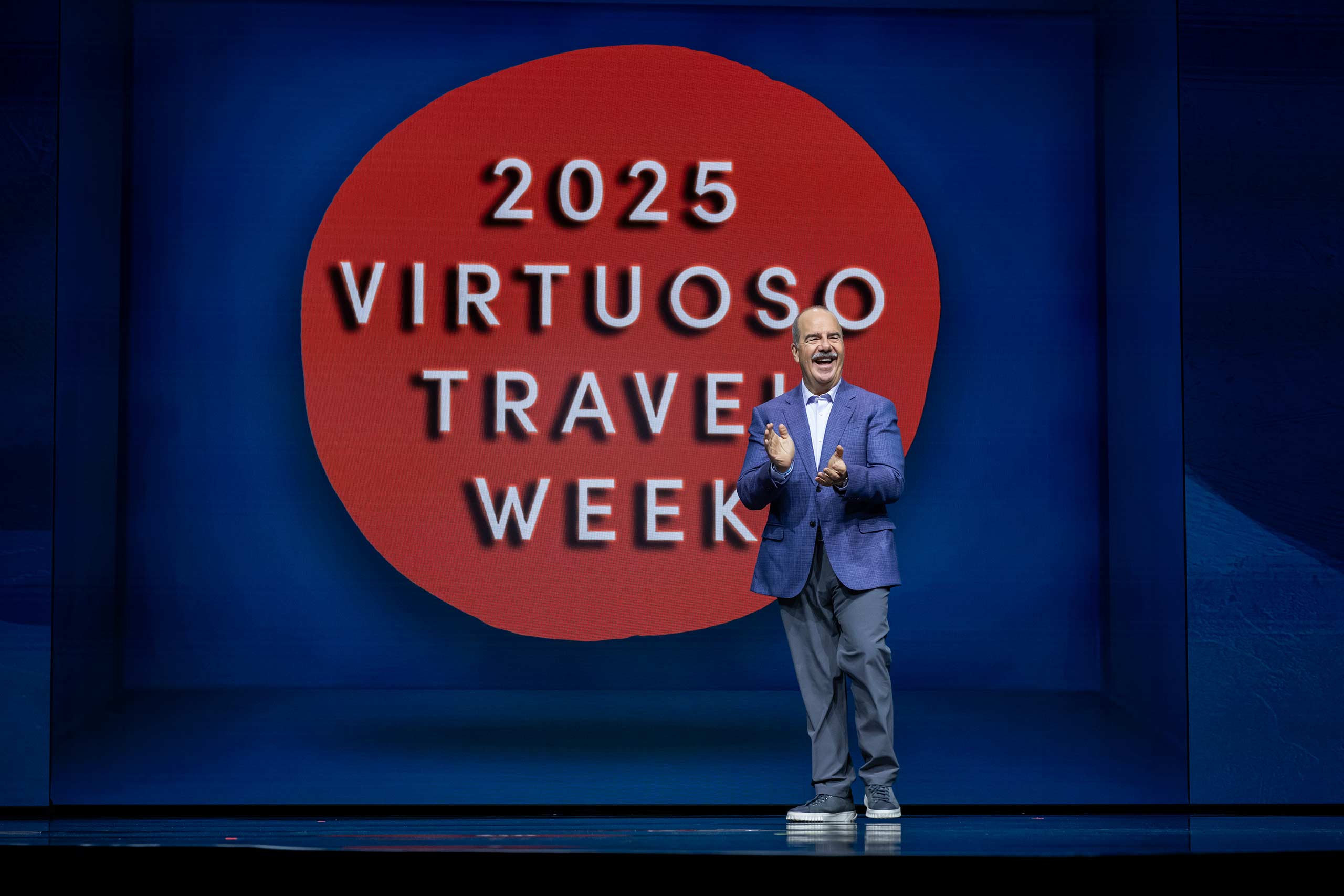
They say what happens in Vegas stays in Vegas – but in the case of Virtuoso Travel Week 2025, the lessons rarely do. Each year, as our industry gathers… conversations, insights and inspirations spark ideas that ripple across the industry. From trends in experiential journeys to the evolving expectations of high-net-worth travellers, the signals we pick up help shape how we think, feel, and craft the notion of exceptional travel for the year ahead. But one idea stood out with particular resonance, repeated like a mantra by leaders across the sector: “Human Connection”.
From The Experientialist®’s vantage point, “Human Connection” was a rallying cry at Virtuoso Travel Week 2025, held in Las Vegas earlier this year.
In an age when industries are hurtling towards automation, AI-driven decision-making and predictive algorithms, we were reminded that true luxury is not entirely defined by speed or efficiency – but by the human touch. It is in the art of humanising the exceptional that experiences transcend the transactional. As Matthew Upchurch, chairman and chief executive officer of Virtuoso, distilled with clarity: “Automate the predictable, so that we can personalise the meaningful”.
This challenges a world obsessed with data points and click-throughs to value emotional resonance. Luxury, in this sense, is the intimacy of attention, the poetry of thoughtful gestures and the rare alchemy of connection that no algorithm can replicate. Human travel advisors emerge as the ultimate differentiator, celebrating expertise, curating experiences and assuring travellers that someone deeply understands their tastes, anticipates their needs, delivers transformative moments and can step in if things go off plan.
Yet there is tension between idealism and practicality. In a world increasingly dominated by AI, big data and online booking platforms, Virtuoso’s emphasis on human expertise risks appearing resistant to change. Travel is evolving rapidly; clients expect seamless digital interactions, instant access to information and AI-driven recommendations.
It is only natural for Virtuoso to lean hard into human dealings. This is an organisation centred on championing the value of travel advisors. This stance is nothing new, previously made clear when OTAs (online travel agents) first emerged, and instant bookings and algorithmic recommendations threatened to commoditise travel. Virtuoso quickly responded by reaffirming the irreplaceable role of human expertise. The question now is whether this approach remains fully relevant in today’s new digital ecosystem.
Human first, technology second
The answer is nuanced. Virtuoso is not wrong – luxury clients still prize intuition, insider knowledge and the emotional resonance only a human can provide. But dismissing technology entirely would be shortsighted. AI and data-driven tools can streamline predictable tasks, optimise itineraries and anticipate preferences, freeing advisors to focus on experiences that demand creativity and emotional intelligence. Virtuoso’s philosophy remains powerful, though – its enduring relevance depends on embracing technology as an enabler, not a threat, to human-centric luxury.
Across over 100,000 meetings – a record for the show – the hum of conversation and deal-making was punctuated by one idea: technology must serve humanity, not the other way around. The digital toolkit is no longer optional, but neither is the art of intuition. The industry is finally embracing what the best concierges have always known: machines may make things smoother, but only humans can make them special.
One luxury advisor told us that AI is “brilliant for efficiency, terrible for empathy.” She is right. Technology can match preferences, anticipate trends and draft itineraries faster than a blinking roulette wheel on Bellagio’s casino floor. However, it cannot discern the pause in a client’s voice when they say, “I need to get away,” and instinctively know whether that means a detox in Sumba or skiing in the Dolomites.

Understanding today’s values-driven traveller
The data shared at Virtuoso Travel Week 2025 this year painted a compelling picture of who is driving the next wave of wanderlust. Understanding is key. Audiences are changing fast.
By 2040, the leisure travel industry is projected to triple in size, driven not solely by the ultra-rich but by a burgeoning class of “everyday millionaires” – professionals, creatives and entrepreneurs with disposable income and a growing appetite for meaningful, purpose-driven luxury. For this cohort, indulgence is no longer measured by how much they spend but by how deeply they experience a place, a culture or a moment. It is about transformative journeys, carefully curated encounters and values-driven travel.
At OutThere, we have long championed travel of this kind – it underpins everything we do. Diversity, inclusivity and ethical engagement with destinations and communities are central to our mission. And never has this philosophy felt more urgent. Reports are showing that inbound travel to the USA is down, for example. As uncertainty lingers in global socio-politics, travellers are increasingly seeking experiences that resonate emotionally, culturally and ethically, rather than simply offering luxury. The luxury of tomorrow is about intentionality and authenticity as much as indulgence. Those who can translate empathy, awareness and inclusivity into every facet of travel will not just survive a rapidly changing market – they will shape its future.
Overtourism continues to strain the world’s most coveted destinations while sustainability remains a buzzword often embraced rhetorically but neglected operationally. Many travel brands talk the talk – carbon offsets, eco-lodges, local sourcing – but meaningful, systemic action is rare. Luxury experiences must now reckon with the consequences of their footprint, balancing exceptional service with responsible stewardship.
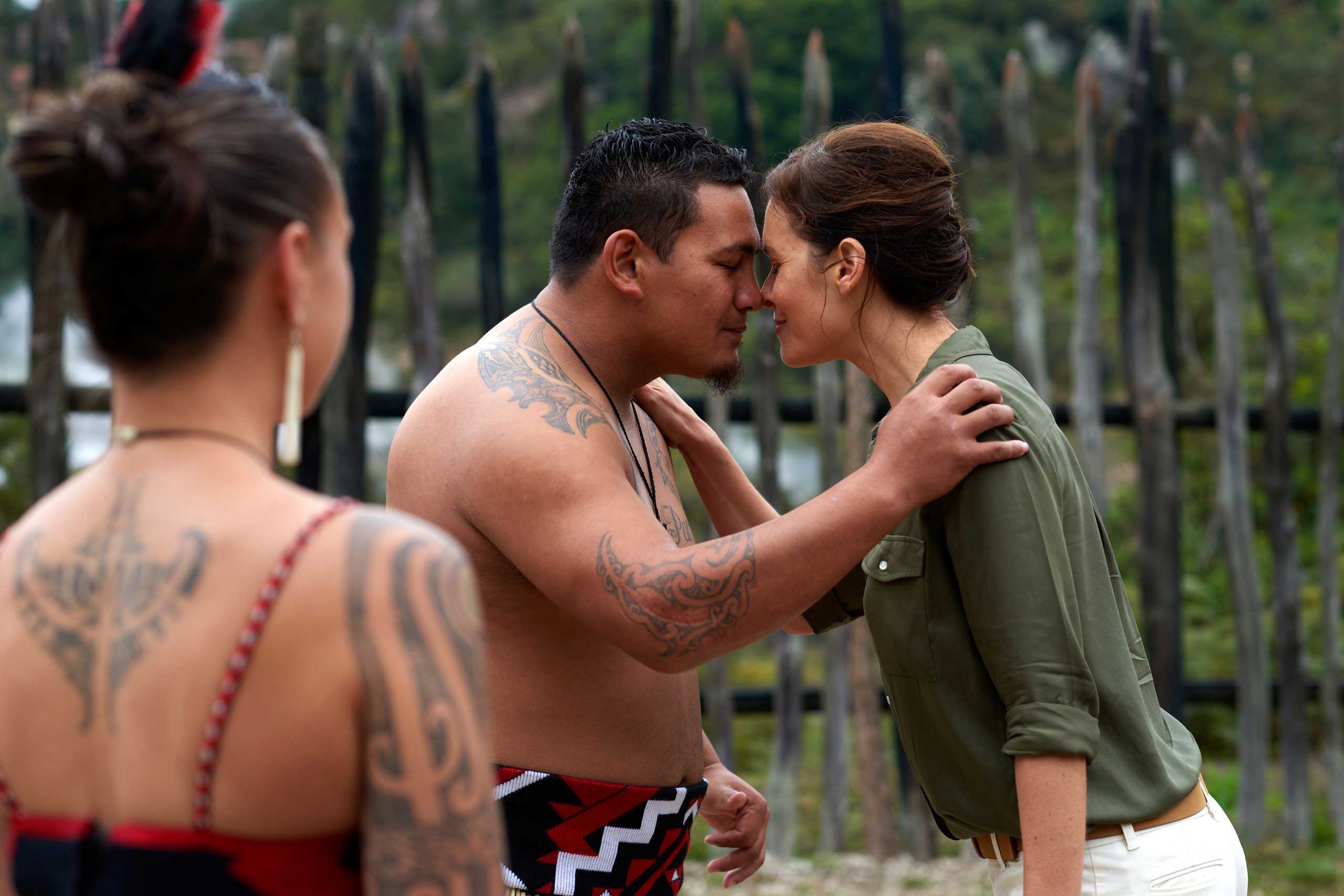
Destination stewardship reflects how we treat the world, and that conversation has never been louder. From Slovenia, where accessibility is enshrined in law, to New Zealand, where Māori philosophy underpins the tourism ethos, it is clear that inclusion and sustainability are no longer niche projects – they are the blueprint for responsible luxury.
This is travel’s new duality: wanderlust balanced with wisdom. The best destinations are those that let you belong without leaving a footprint behind. For the “everyday millionaire” seeking purposeful travel, indulgence without accountability is no longer enough.
Boomers, of course, remain a powerhouse. Their wealth continues to eclipse that of all other generations, and with time now their greatest luxury, they are booking longer, more immersive journeys. They want comfort, yes, but also connection – a sommelier who remembers their favourite vintage and a guide who can introduce them to a local family halfway up a Tuscan hill.
Then come the Millennials, who have mastered the art of “I can do it myself, but I would rather you do it for me”. They value expertise and service, but expect both to be frictionless.
And Gen Z? They are rewriting the rulebook entirely. Raised on digital abundance, they crave authenticity – the unfiltered, the real. They have seen the distortion of social media and are looking for truth: experiences that make them feel rather than scroll. Luxury, for them, is not a thing – it is a story worth telling and feeling. It is a story that is human.
Soul-stirring stories
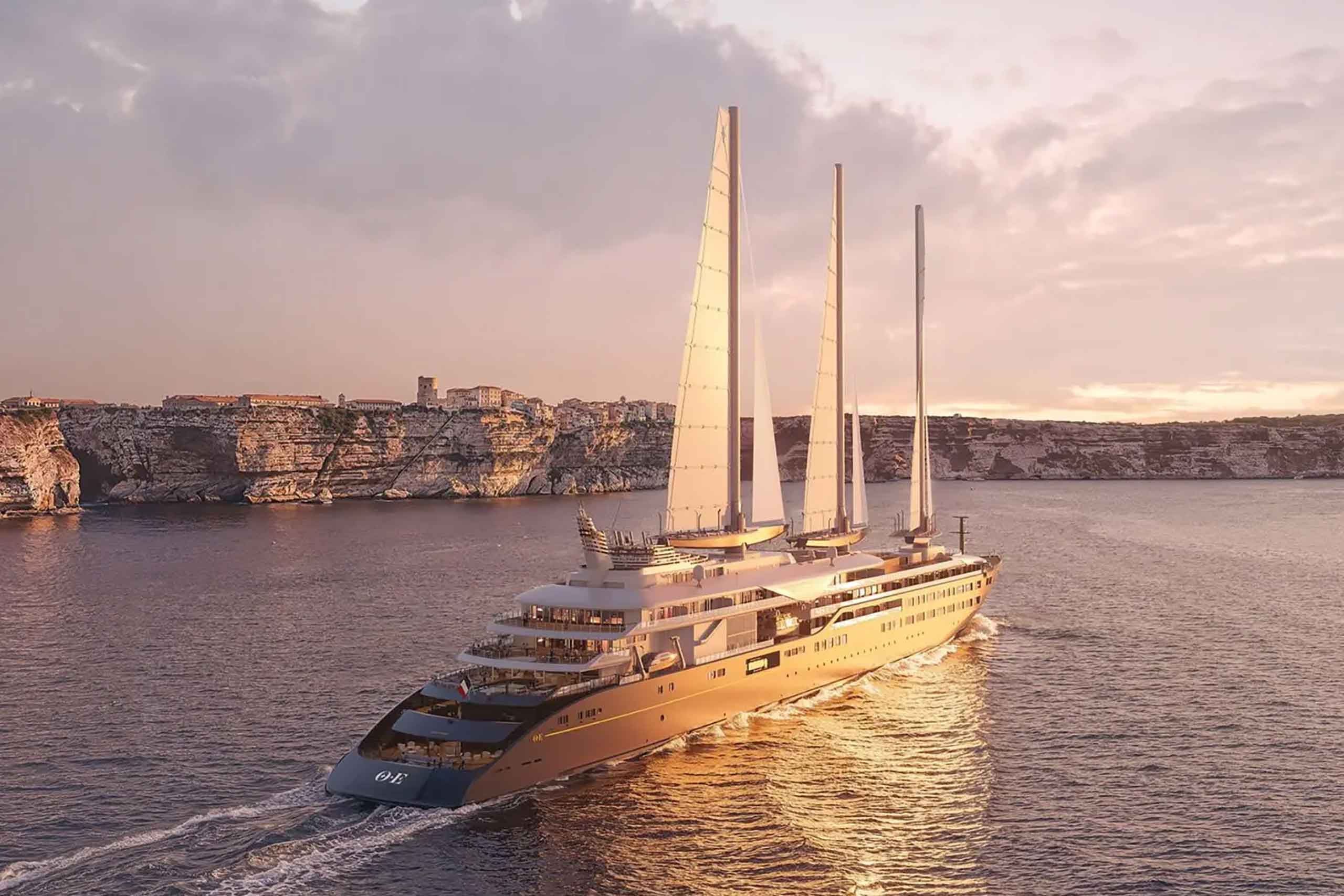
The sort of stories that caught our attention are inevitably the human ones. Take Gilda Perez-Alvarado, Chief Strategy Officer for Accor and CEO of Orient Express, who, in addition to their stunning new hotels and train journey that will take on Belmond pretty much head-to-head, will soon launch The Corinthian, the world’s largest sailing ship. Under her leadership, the Corinthian is a floating work of art – a seamless blend of engineering, glamour, cultural sensitivity and modern sustainability. Her presence alone is symbolic: a Central-American, Latin woman steering one of the most exciting brands in travel toward a bold new horizon and a broader shift in the industry, where leadership is increasingly defined by a commitment to purpose, diversity and the creation of experiences that resonate on a deeper level.
Or Will Guidara, acclaimed restaurateur and hospitality’s evangelist of emotion, who inspired the crowd at Virtuoso Travel Week 2025 with his concept of “Unreasonable Hospitality”. His message was deliciously subversive in a world obsessed with scaling service: systemise graciousness, not indifference. He reminded us that “one size fits one” – a principle that luxury travel has always lived by but occasionally forgets. It’s something we at OutThere talk about constantly, aligned with our focus on inclusion. Personalisation, especially the kind that leads to belonging, is the greatest luxury money can buy.
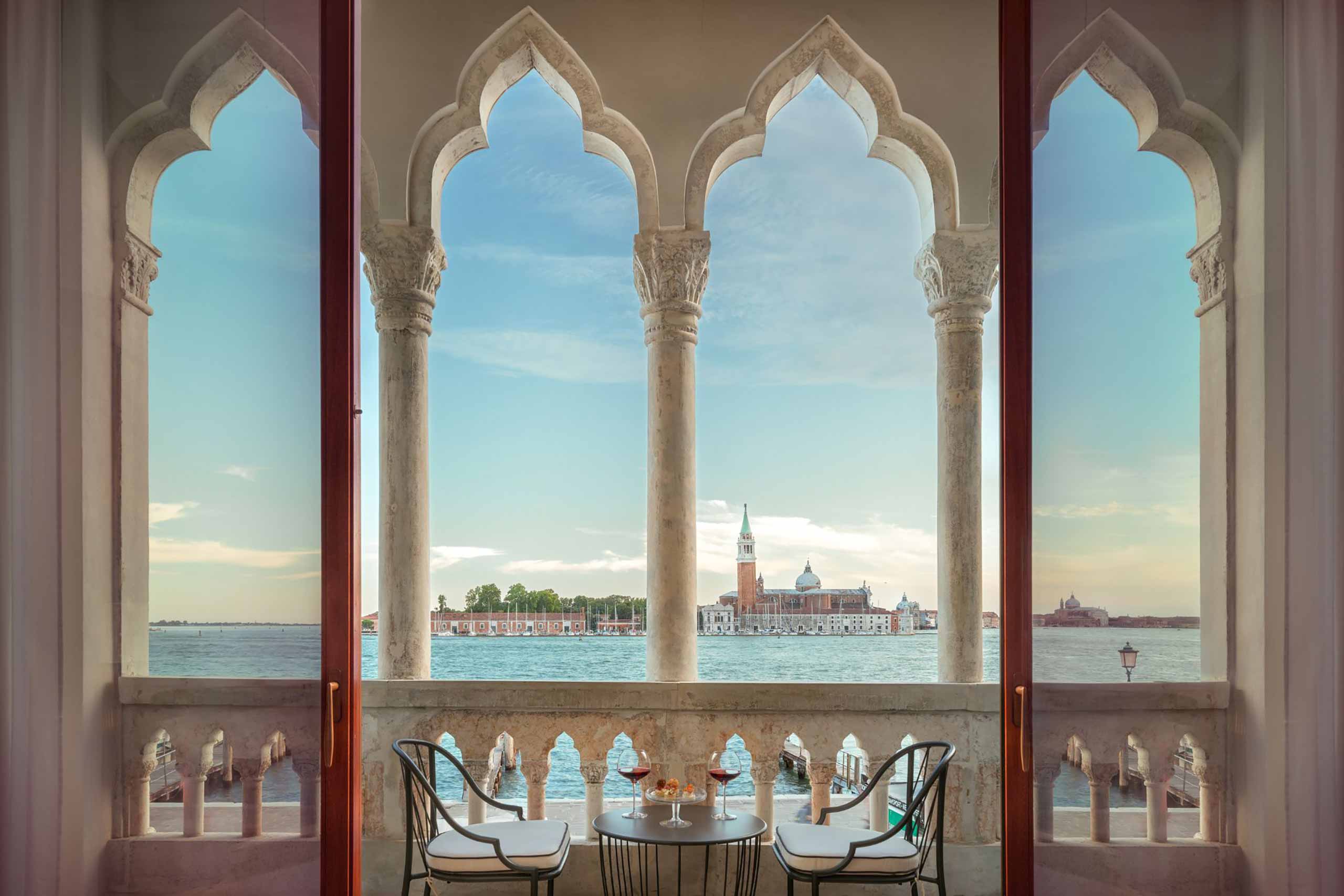
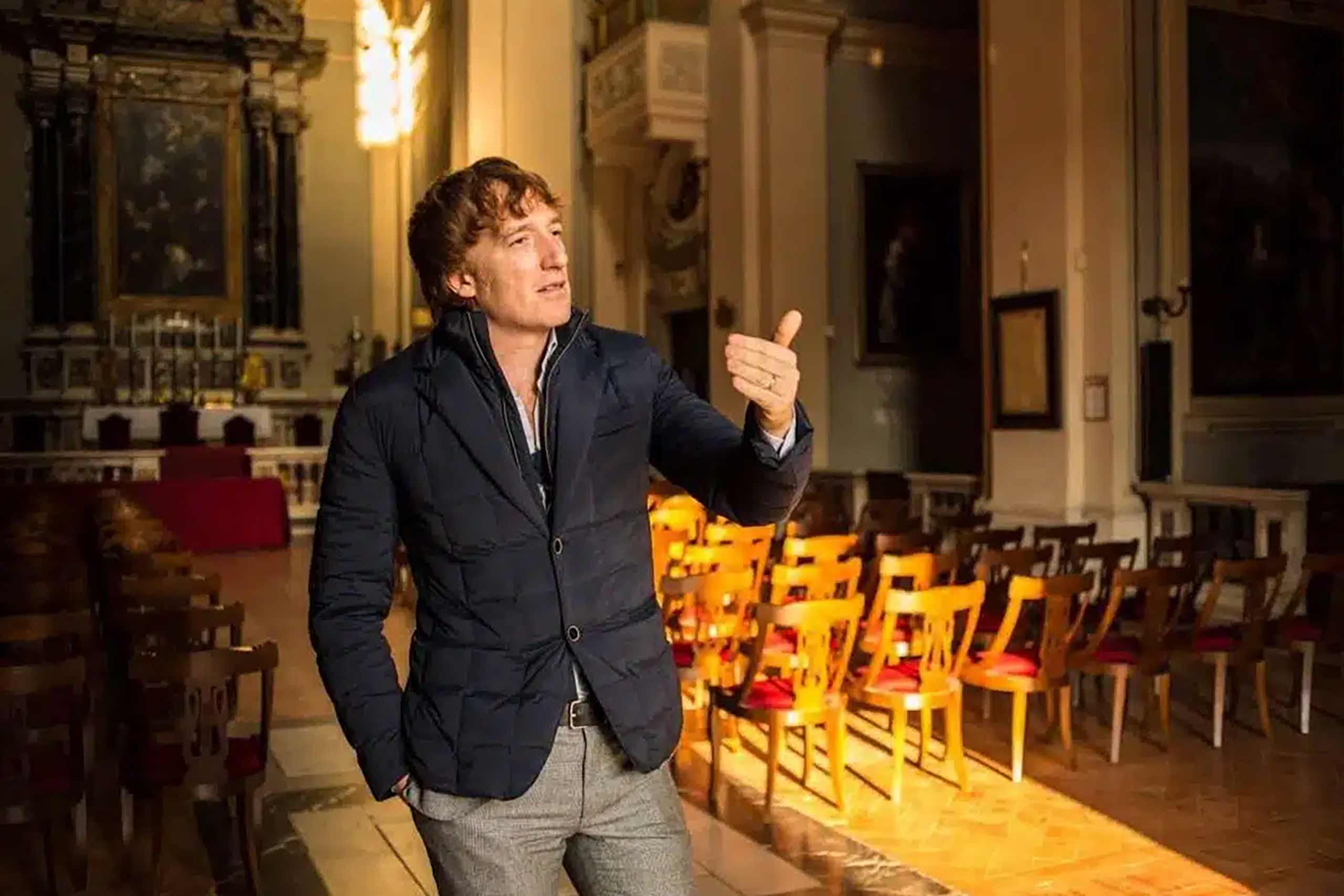
Then there is Salvatore Pisani’s vision for Venice, ever the muse. Starhotels Collezione’s revival of Hotel Gabrielli is not a monument to the past but an ode to its city – complete with gardens, terraces and near-360° lagoon views. It embodies the best of Italian hospitality: soulful restoration rather than reinvention. With its Felice-era charm preserved, the hotel meets the expectations of today’s discerning traveller while honouring its historic soul. In the kitchen, chef Mirko Pistorello, known as “Gold Hands,” interprets Venice with contemporary flair, translating the city’s rich culinary traditions into innovative, memorable dishes.
The story behind the acquisition adds another layer of interest. Years ago, luxury travel doyenne Valerie Wilson spotted this gem and told Salvatore that if he was to buy a property in Venice, this was the property he should buy. Now that he has, she would likely say he owes it to her – a human-touch story from Virtuoso Travel Week 2025 that underscores just how crucial foresight, experience, networks and personal connections are.
Behind the scenes, talk of brand evolution at Starhotels hints at strategic growth over the next two years. “The most Italian company in Italy”, as Salvatore calls it, is soon expanding to Capri and Sorrento, proving that legacy and innovation can share the same roof – preferably one with a rooftop bar. Starhotels positions itself as the right company for the right people: travellers who value authenticity, employees who thrive in a culture of care and destinations where heritage and modern luxury coexist seamlessly. This is an evolution of luxury that is deliberate, thoughtful and, above all, grounded in the human touch that makes it extraordinary.

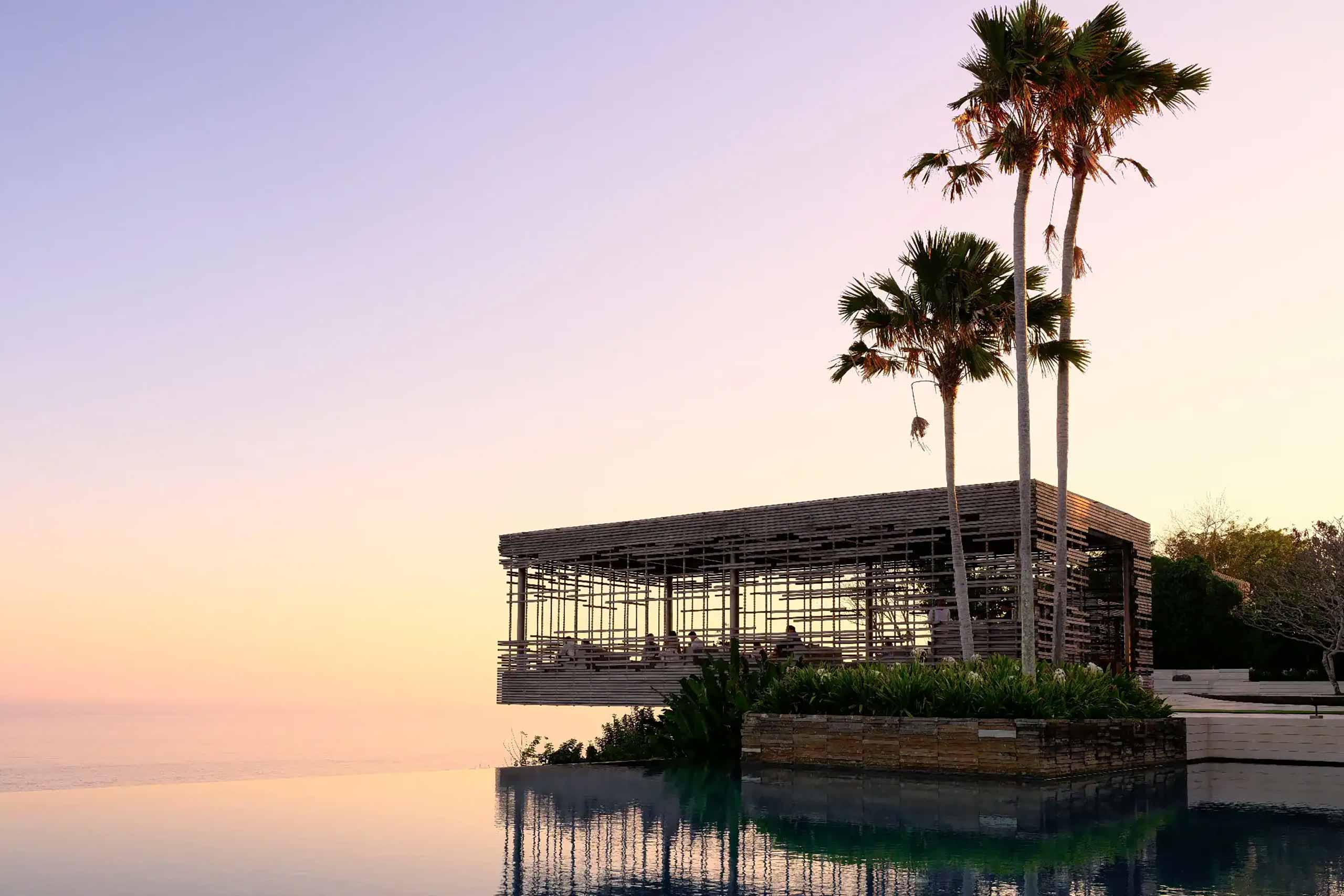
Hyatt’s Alila brand is another example of human-centric luxury. Opulence is measured not by lavishness alone but by the depth of connection with guests and the unexpected moments that leave a lasting impression. Every stay is designed to engage both the world around you and the world within, blending the transformative power of place with a mindful approach to hospitality.
In Alila’s vision – and that of Katie Johnson, VP of Global Brands – “moments” matter – from quiet meditation at sunrise to the exhilaration of a cliffside adventure – each curated to foster presence, reflection and emotional resonance.
Take Villa Uluwatu in Bali, for example, a sanctuary perched above the Indian Ocean, described as a centre of alignment. Its design, service and programming all encourage balance, introspection, personalisation, connection – not just with the surroundings but with oneself. When we visited, way back when the property first opened, it was the first place that we had ever encountered his-and-his amenities, laid out especially and intentionally because we were a same-gender male couple. It blew our minds.
In Big Sur, California, Alila channels the dramatic natural landscape into intimate experiences that are humbling and invigorating, proving that human touch in hospitality is as much about emotional intelligence as design or comfort.
A human-driven, experience economy
Picking up a Virtuoso ‘Best On-Site Partner’ award at Virtuoso Travel Week 2025 was tour operator and DMC Imago Artis Italy. They pride themselves on turning travel into storytelling, inviting guests to step into the lives, histories and crafts that define each destination. Founded by Fulvio De Bonis, the company is dedicated to uncovering not just the art but the people behind the places, going far beyond traditional sightseeing. In Sicily, a local priest offers illuminating insights into everyday life, while in Florence, a Contessa guides visitors through her palace, sharing personal stories intertwined with history – including a canvas pierced by a bullet, a tangible fragment of the past.
Imago Artis’ programmes celebrate local artisans, highlighting craftsmanship and culture in immersive, hands-on ways. From the Dolomites to Florence, each journey blends discovery, artistry and narrative, creating experiences that are all about people. Imago Artis positions itself as an ‘entertainment company’ of place: curating encounters, publishing stories and crafting moments that surprise and inspire, with people at its heart.
Abercrombie & Kent’s commitment to unique, immersive experiences is equally rooted in family and personal history. Marett Taylor, vice president of sales for A&K and niece of founder Geoffrey Kent, grew up amid African safaris and the rugged landscapes of Montana. Her grandmother, Valerie Kent, was one of East Africa’s pioneering female safari guides, and her mother, Anne Kent Taylor, co-founded A.K. Taylor International, a boutique travel agency specialising in bespoke journeys.
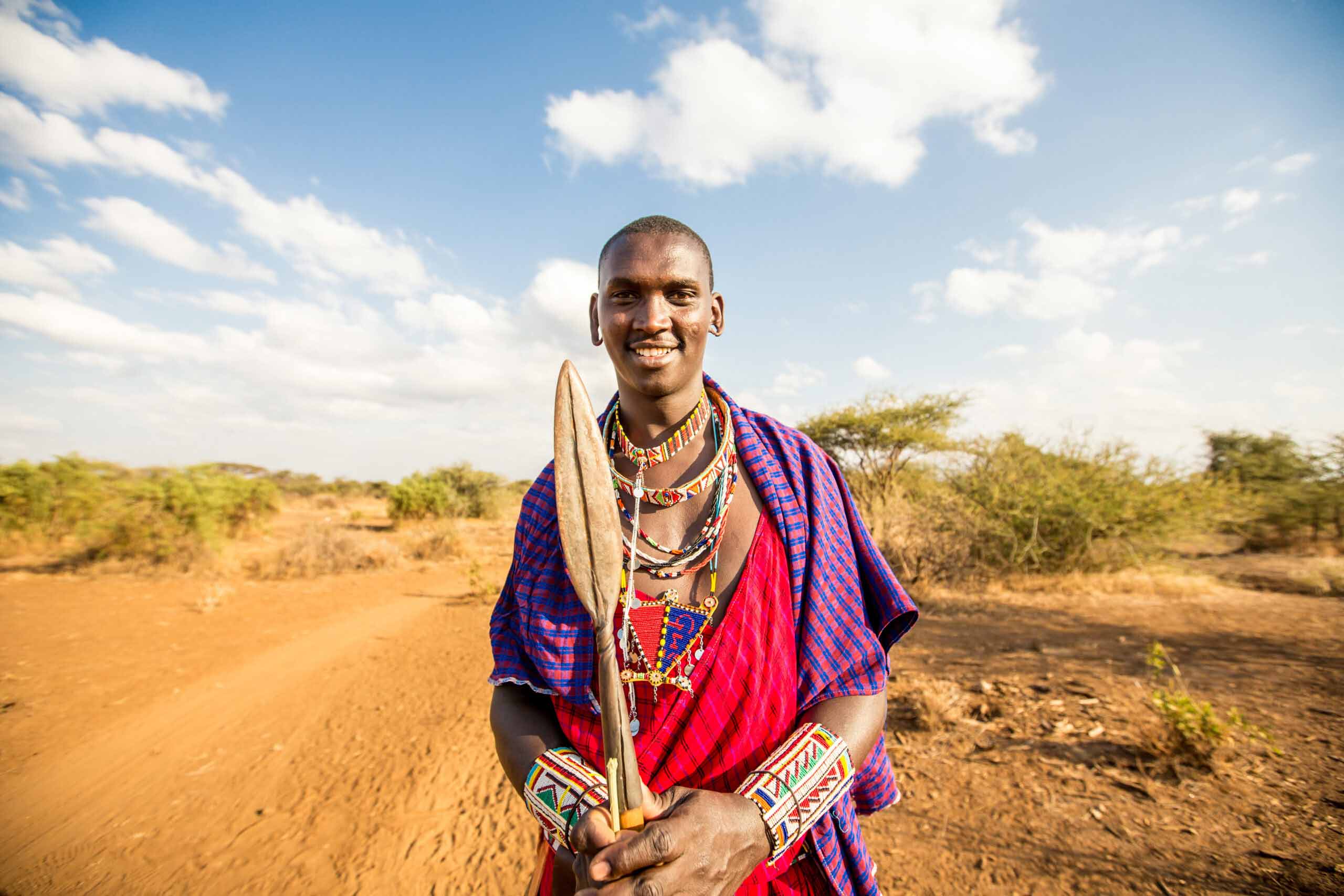
Marett’s exposure to travel was hands-on from a young age, guiding safaris in Kenya and exploring remote regions of northern Kenya. At Virtuoso Travel Week 2025, she shared with us one of the most remarkable experiences she has witnessed: the centuries-old ritual at the ‘singing wells’ of the Maasai/Samburu people. Each clan has its own songs, voices weaving a living tapestry of history and identity. The ritual is both spiritual and awe-inspiring: men descend into the wells – sometimes nude – to draw water, passing it in a human chain to each other so they can feed their cattle, accompanied by song, while the community above maintains a rhythm of chants and harmonies that echo through the landscape. Photography is strictly forbidden; the experience is meant to be felt, not captured, preserving its sacredness. For travellers lucky enough to witness it – she promises to take us at OutThere there herself one day – the singing wells are more than a spectacle. They are a lesson in connection, reverence and the enduring power of cultural traditions that have shaped communities for generations.
The new age of seafaring adventures
Cruising – once seen as the grand, slow waltz of travel – has found a fresh rhythm. At Virtuoso Travel Week 2025, the conversation revolved around ships that sail smaller, smarter and with far greater soul – and far more human.
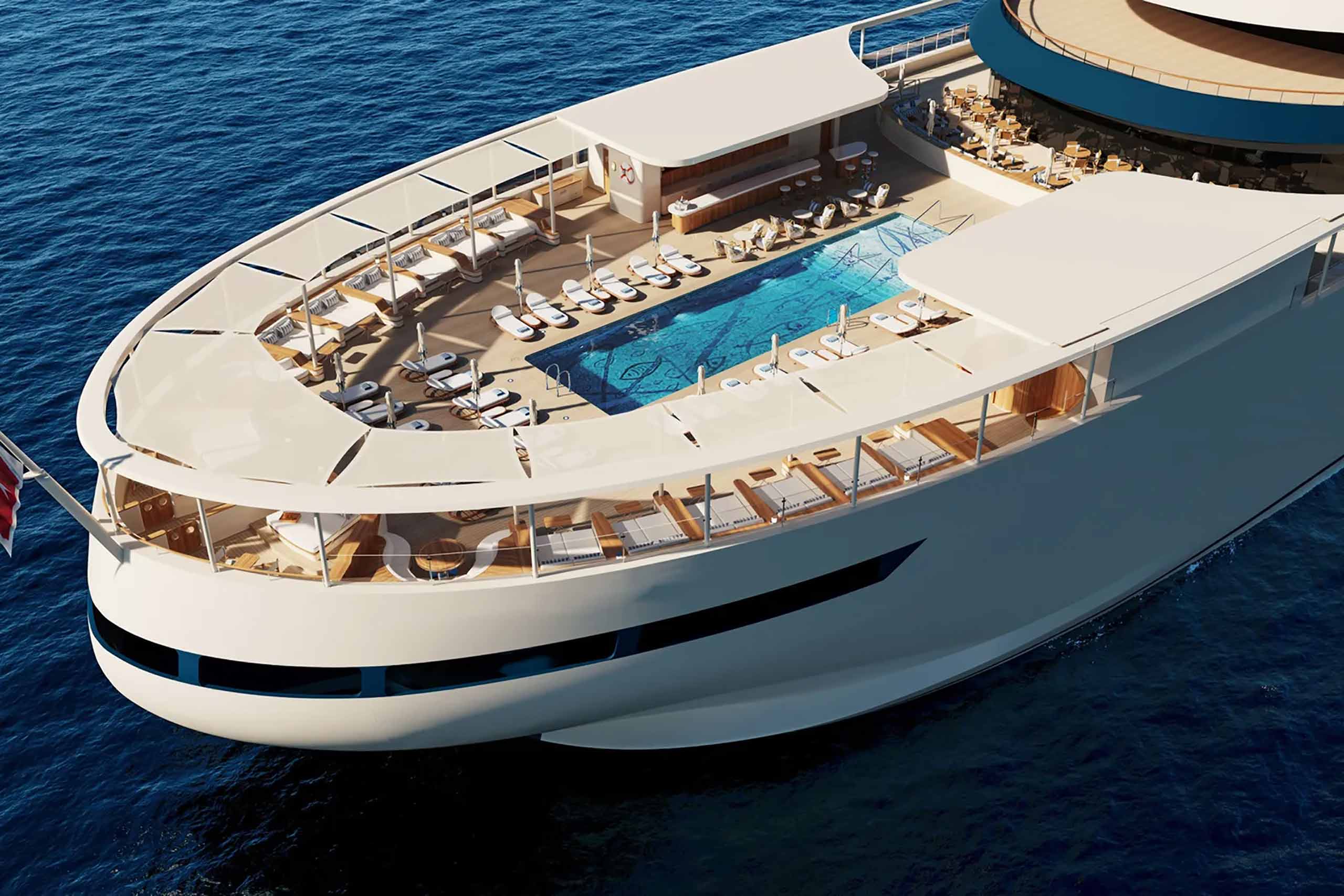
Four Seasons Yachts is generating particular buzz for its focus on human-centric connections and immersive experiences. Focussed on small-ship sailing, it is seemingly carving out a category of its own – with services more akin to their Cap Ferrat property than a traditional cruise ship. Every element has been designed to feel intimate and personal: bespoke interiors, thoughtful service and spaces that encourage interaction without intrusion. Guests can linger over long breakfasts on their private terrace, share curated experiences with a small circle of fellow travellers or step directly into the sea from the onboard marina.
Their CEO Ben Trodd tells us that what sets the vessel apart is its deliberate attention to meaningful engagement. Onboard programming is tailored to foster connection – between guests, with the crew and with the destinations themselves. Whether it is a sunrise yoga session on deck, a hands-on culinary experience with the chef or a guided shore excursion designed for small groups, every moment prioritises authenticity and presence.
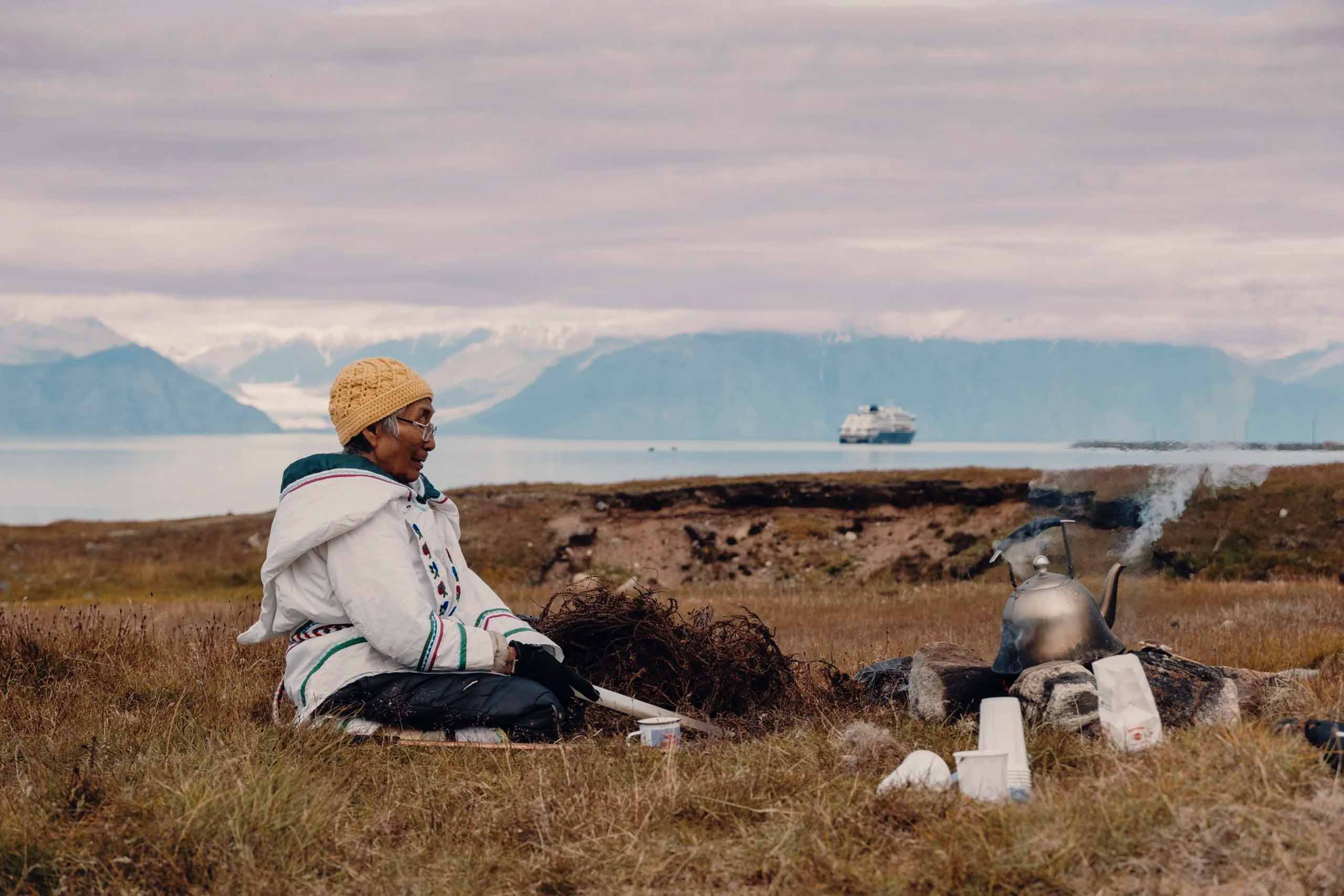
Meanwhile, Steve Smotrys, Managing Director & SVP Commercial for the Americas at HX Expeditions tells us the brand continues to lead in sustainability and being local-first, working hand in hand with Indigenous communities, such as the Inuit elders of Greenland, to co-design shore excursions. The result is journeys that are environmentally responsible and socially restorative.
This is not mass tourism on the waves – it is micro-voyaging, where fewer guests mean richer stories and lighter footprints.
Azamara is the cruise line for travellers who believe the best part of the journey begins when everyone else has gone to bed. “While most ships blow you a polite kiss at sunset, Azamara stays to date you”, says their CEO, Dondra Ritzenthaler – long, lingering and luxuriously late into the night. With its destination-emergent philosophy, these boutique vessels do not just visit a port; they move in for the evening, ensuring travellers see the soul of a place after dark – when cities hum with life and locals reclaim their streets.
It is an ethos rooted in social sustainability and conscious exploration – less “cruise and consume”, more “linger and learn”. From immersive overnights, each labelled as ‘Destination Immersion’, in Monte Carlo that unfold like a once-in-a-lifetime rendezvous to rare experiences like the Edinburgh Tattoo under the glow of the Scottish moonlight, Azamara proves that connection – real, human, experiential – is a luxury unto itself.
The heart in the machine
We live in a tech-enabled, human-driven ecosystem. But in this new era, the most valuable currency is not machine intelligence – it is understanding. Understanding how people dream, connect and explore.
At its heart, luxury travel is all about empathy. It is about those exquisite, unforgettable moments when someone, somewhere, anticipates exactly what you need before you even know it yourself.
While technology can send us anywhere in a click, it is still people who make travel truly OutThere. The algorithm might know we like champagne and sunsets, but it is the travel advisor who remembers that we prefer them in that order. Advisors are more than travel planners; they’re curators of experience. With insider connections and a knack for the extraordinary, they craft trips that feel effortless yet entirely your own – leaving you to skip to the good part, making memories.
Luxury, at its most human, is not about having the world at your fingertips – it is about feeling the world reach back.
That is the true power of human connection.
Featured photography by Leo Morgan