



The desert around Greater Palm Springs can heal, dazzle and disrupt. UWERN JONG finds himself in the Coachella Valley, where the heat nurtures, ambition takes root and resilience blooms into an oasis of possibility and reinvention.
An oasis, I discover, is not a place, but a promise.
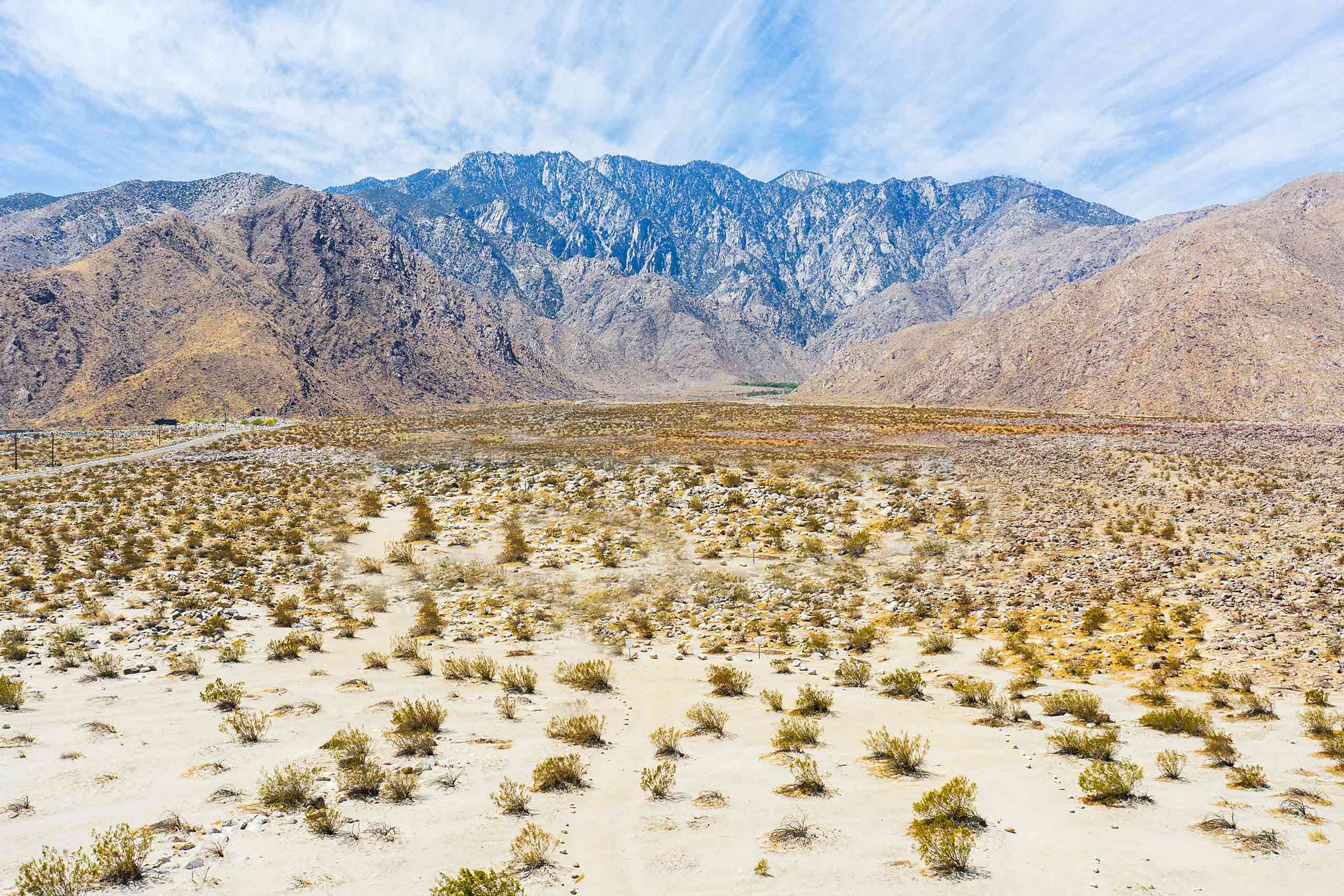
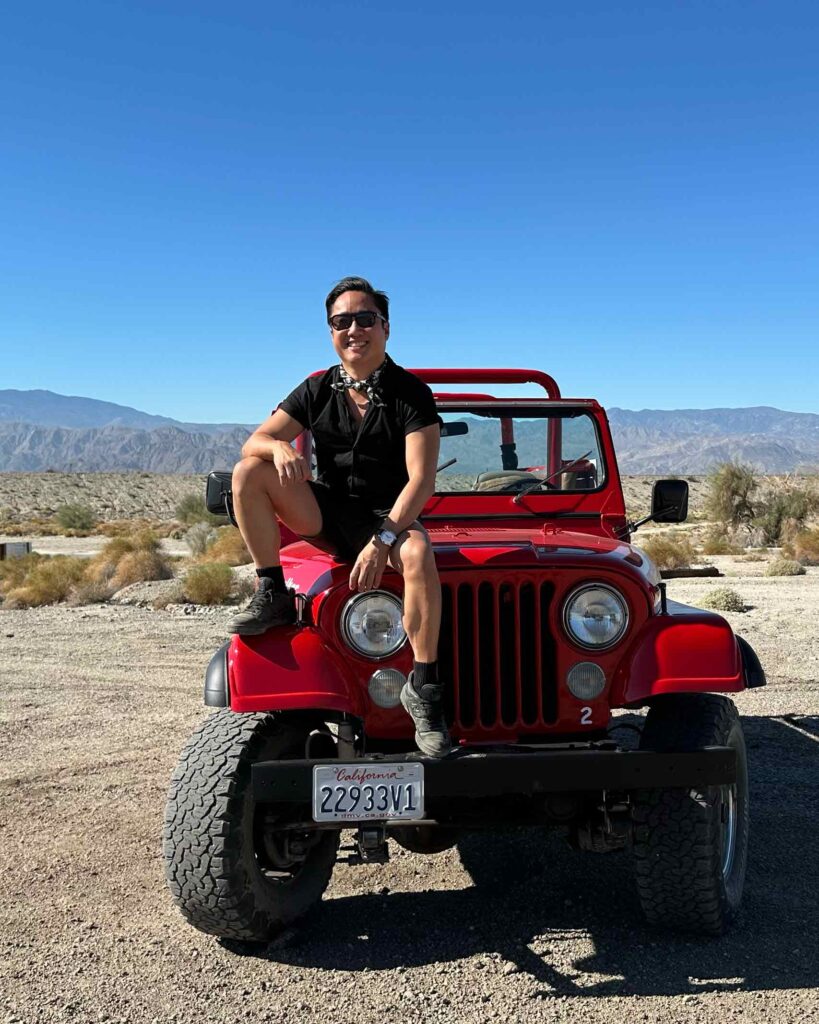
We approach a nascent one at just ten thousand years old, in a crimson red Jeep, bouncing along trails of sand and stone under a wide, eternal sky. Ridges fold like crumpled maps, boulders balance as if by cosmic whimsy and horizons recede like a slow, dusty exhale. The dramatic San Jacinto Mountains rise abruptly, their long flanks spilling indigo shadows across the valley floor. Every palm, crag and stubborn sagebrush is cast in a silhouette twice its size as the mid-morning sun climbs over the peaks. Everything else – the sand, the slopes, the bare rock – is ochre, umber, or existential beige.
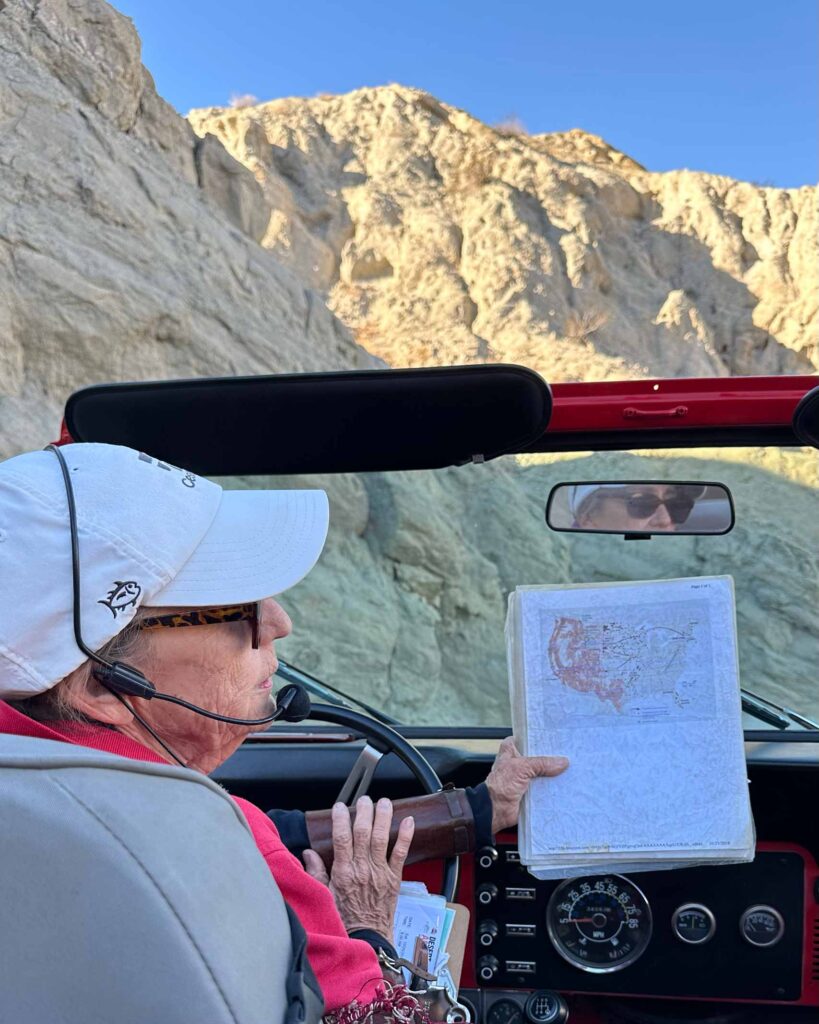
My guide and driver, Morgan of Red Jeep Tours – a septuagenarian with a flair for dramatic steering and perfectly-timed braking – has been bringing people to this barren landscape for thirty-seven years. She arrived herself over half a century ago from the Bay Area, inspired by the rugged sets of old spaghetti Westerns and the realisation that San Francisco was all “pan-and-no-orama.” She is my interpreter of sorts, reading the land as if it were a book, adding her own irrepressible wit. She spoke of the secret springs hidden beneath the earth, where life gathered long before towns claimed Greater Palm Springs. She points out ancestral trails worn by the Native American Cahuilla people and explains why they have thrived for so long, “There were no missions here; they didn’t see a white guy until 1774!”
She even bestows my Cahuilla name, a title elders grant to tribe members that reflects their spirit and personality: Wild Pony. When I ask why, she answers, “Put it this way, while boys were at the library checking out books, you were at the library checking out boys.” I feel seen and oddly flattered.
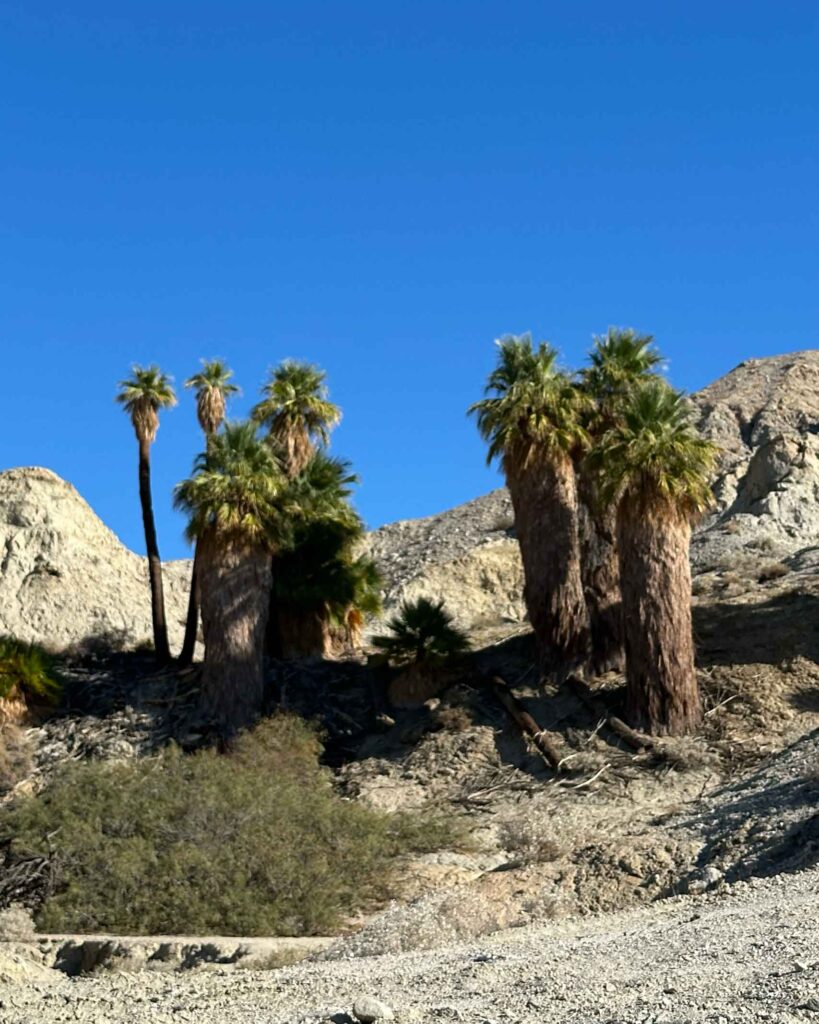
We jump off the Jeep, and I see it, at least I think so. A congregation of palms, improbably green, confidently verdant. As we walk, I find myself squinting into the distance, half-convinced I’ve spotted a mirage. Morgan doesn’t even break stride. “People did not find oases, by the way,” she says. “They followed hope until it gathered itself into trees.”
Long before swimming pools and mid-century martinis, this valley belonged to the Agua Caliente Band of Cahuilla Indians. Beneath the land’s parched crust, they understood that water moved quietly, slipping down from the mountains in underground currents – shy, persistent, determined. It shaped life, communities and attitude… for centuries to come. It’s questionable whether they understood the San Andreas Fault. Right beneath our feet, two tectonic plates are engaging in the slowest, most patient argument on Earth. One might assume this would discourage settlement. Instead, it seems to do the opposite. Humans, it turns out, are drawn to edges. To thresholds.
There’s something extraordinarily calming about being here. Perhaps it’s the trace lithium in the water – nature’s mood stabiliser – used in medicine to treat bipolar disorder. Or perhaps it’s the desert’s 28 species of naturally occurring hallucinogenic plants. Either way, people arrive a little frayed at the edges and find themselves smoothing out. But what feels profound is this: finding an oasis is not only about quenching your thirst. It is about emotional relief. The sort that says: you can rest now. You can build something here. You can fall in love, reinvent yourself, or at the very least remove your boots and reconsider your life choices. It’s Morgan’s story and the story of countless others. It is not unusual here in Greater Palm Springs for people to come for the light, for the heat, for the architecture, for the promise of a better winter. Then, somewhere between the fault lines and the hidden springs, between existential beige and improbable green, hope gathers itself again… into trees. And that is why they stay.
I have yet to meet anyone actually born in Greater Palm Springs. Everyone seems to have arrived from somewhere else – the Bay Area, San Diego, Cleveland, even. It’s as if the desert exerts a gravitational pull: once you touch down, the horizon, heat and hypnotic harmony conspire to make you call it home.
Perhaps it started with the Hollywood crowd – movie stars fleeing city smog, contractual obligations and handsy studio presidents. Later came the LGBTQ+ migration – a community formed of the largest, continuous exodus of queer escapees to anywhere in the United States. The desert offered them space to live openly, fabulously and without apology. So it comes as no surprise that inclusion here feels natural. Plus, the rich and the gays are often indistinguishable in their flamboyant desert style.
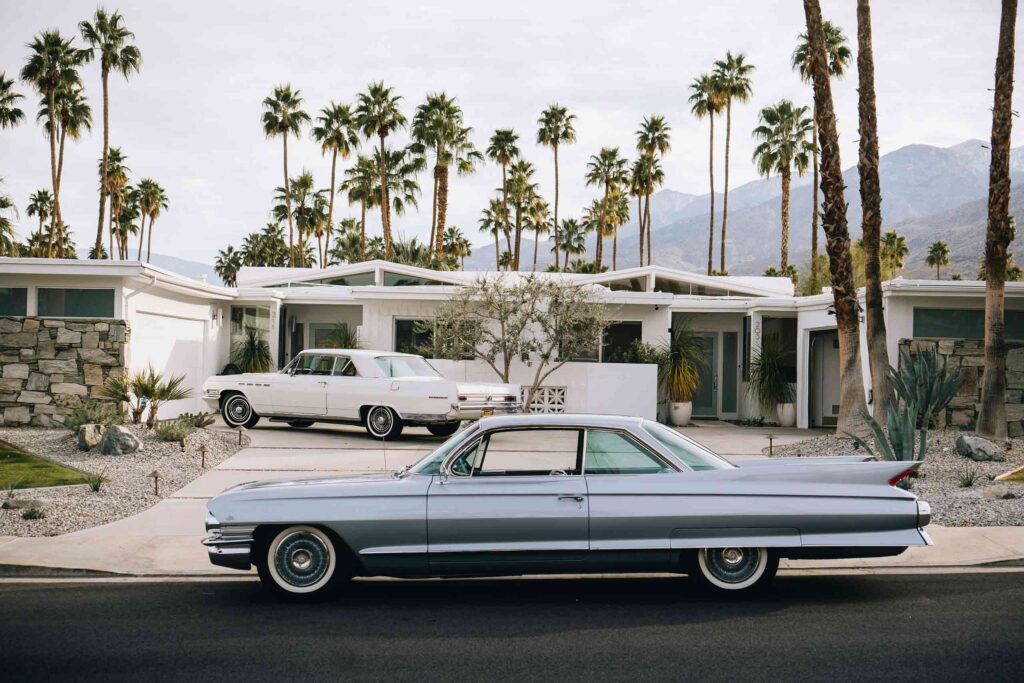
The city of Palm Springs itself became known for a lifestyle that is simultaneously casual and conspicuously tasteful. Mid-century modern houses, glass boxes perched over hills like sculptures, now fetch eye-watering prices – trophy homes for retirees with impeccable taste, rich queers and anyone who wants to be seen without actually being seen. And for visitors, there are chic desert hotels, each with conceptual restaurants, speakeasy bars and pools where flash and finesse collide.
Heading east to Palm Desert, I arrive at El Paseo Drive, think Beverly Hills transplanted into the Coachella Valley. High-brand stores, “Valley Girl” chic, bougie So-Cal eateries where your quinoa salad comes with a side of judgment from locals, fresh off their pristine, electric golf carts. It’s unapologetically flashy – Cougarville vibes included – and the kind of place that makes you either laugh at the absurdity of it all or buy a Louis Vuitton bag just to fit in.
Even further east, Indian Wells goes full country-club fantasy: manicured tennis lawns, golf courses, gated communities and social calendars fit for a glossy society weekly.
Rancho Mirage also slots neatly into this constellation of affluence. I drive past Cotino, the new Disney-linked residential development promising ‘Storyliving’ – yes, American marketing makes me eyeroll sometimes – practically a miniature city next to where Walt Disney himself once had a home. I’m not here to buy a desert mansion, though. I’ve come for the pink wall across the freeway, the one surrounding Sunnylands Estate, once the playground of the notoriously wealthy publishing family, the Annenbergs, and the ultimate flex in architectural modernism. Its gardens and art collection are undeniably breathtaking, yet inside, the house is a mix of grandeur and chintz: masterpieces rub shoulders with gilded knick-knacks, a museum of ambition and eccentric taste. The Annenbergs acquired artefacts from across the globe as if they were theirs for the taking, reducing cultural heritage to home décor. It is a slap-in-the-face celebration of immense wealth, unabashed capitalism and a fondness for acquiring political – even royal – favour. Still, there’s redemption in their philanthropy: today, Sunnylands hosts retreats for diplomacy, civic progress and global food security. The estate may scream wealth, but it also whispers purpose.
What strikes me most about all of this, though, is promise. Greater Palm Springs is an oasis not just of water, but of possibility – for the rich, the famous, the powerful, the queer, the misfits and anyone willing to chase hope until it gathers itself.
They once divided the land up here like a checkerboard. In 1876, when railroads were the tech billionaires of their day, the U.S. government handed the odd-numbered square-mile sections of land to the rail companies. The even-numbered squares were ‘returned’ to four Cahuilla Indian bands – the Agua Caliente, Augustine, Cabazon, and Torres-Martinez Desert.
This created something inadvertently powerful. Unlike so many places where Indigenous history is framed in the past tense, here it is present, tangible, economically muscular. Beneath boutique hotels, shopping districts, golf courses and civic buildings often lies land that belongs to the tribes. And because so much was federally held or was tribal allotments, it became one of the rare spaces where non-white families could buy property or build businesses during the era of restrictive covenants.
Today, in towns like Coachella, the tribes are among the city’s largest employers and philanthropists… funding roads, schools, healthcare facilities and scholarships for the valley at large, much of it (98%, I’m told) Latino, working tirelessly in the agricultural and service economies that keep the region humming.
The world knows Coachella’s name for the music festival and its Instagram-famous, glitter-strewn crowds. But on the day I arrive, the city itself is quiet, almost indistinct – like a fragment of small-town America that had somehow survived the roar of fame – so much so that I could hear the crackling of Yo No Sé Qué Me Pasó by Los Lobos playing from a shop radio.
The heart of town is Pueblo Viejo. At Las Tres Conchitas bakery – a long-standing, family-run panadería with overhead racks stacked high touting fresh pan dulce and sugar-dusted conchas – and at Sixth Street Coffee, where the horchata and tepache are the things to order (I’m told a ‘flat white’ means something entirely different here), it feels as if Mexicans aren’t just running the show, they actually own it. There is a quiet confidence, and it extends into the streets themselves. People nod as I pass, an acknowledgement that makes me, a stranger from faraway lands, feel like I belong.
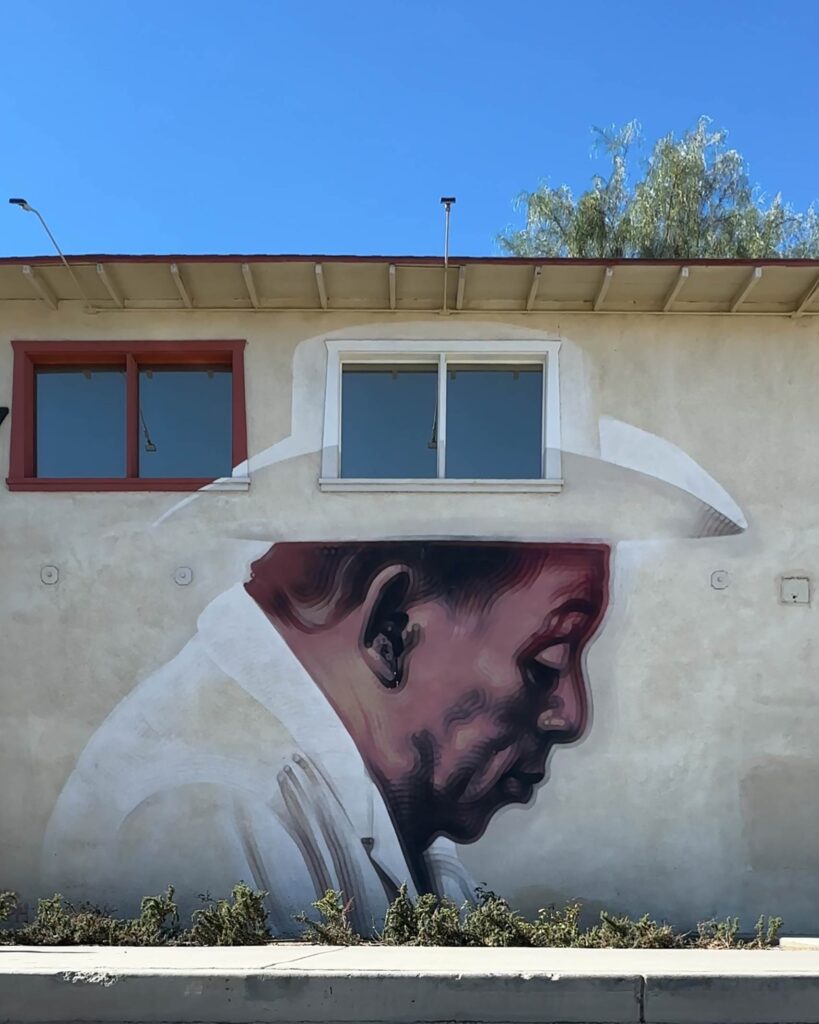
Throughout Coachella, there are murals: walls alive with Chicano heroes, swirling colours and stories too intricate to fully absorb on a short visit. The murals chronicle the community’s history: edgy, political, humorous – on walls, corners and alleyways – paying homage to the Mexican diaspora.
And then there is the LGBTQ+ library, tucked behind a civic building. It’s a small space filled with queer-affirming books and archives – a reminder that this town embraces more than what meets the eye. In today’s political rhetoric, spaces like this feel almost impossible, but here it is genuine, cared for, and part of everyday life – a reflection of an integrated community that refuses to be boxed in.
Indio has a similar story, beginning as a railroad town in the year it all got checkerboarded up. The city was shaped by people who tended the swathes of arid farmland here, coaxing onions, citrus, grapes and eventually dates from the soil, tapping artesian wells to grow their crops. Again, they’re largely Latino, but also white working class, Filipino, Japanese and African American. Indio families will remember places like Nobles Ranch, an early Black-owned farming community that provided a haven for African Americans from the 1930s onwards. But even today, a diverse, working‑class heartbeat is alive and well: in the markets where families buy produce and in the restaurants run by second‑ and third‑generation Latino entrepreneurs who grew up with farm work in their blood and a deep understanding of produce and their provenance.
And yet, Indio is changing. The old railroad depot and farmland still anchor the city’s sense of self, but new cafés, restaurants and shops have recently opened and locals talk about Downtown “coming alive again”.
Front and centre of the revival is The Place, opened in 2025 as a local maker’s marketplace of ceramicists, vintage curators, hot-sauce alchemists and jewellery designers. As I wander the colourful stalls, brushing past rails of hand-dyed fabrics and shelves of glazed clay, I sense something deeper than retail. This is a manifestation of Indio’s enduring spirit: creativity meeting community, resilience learning to speak the language of entrepreneurship, all in a city long defined by hard toil, now daring to rearticulate itself by imagination.
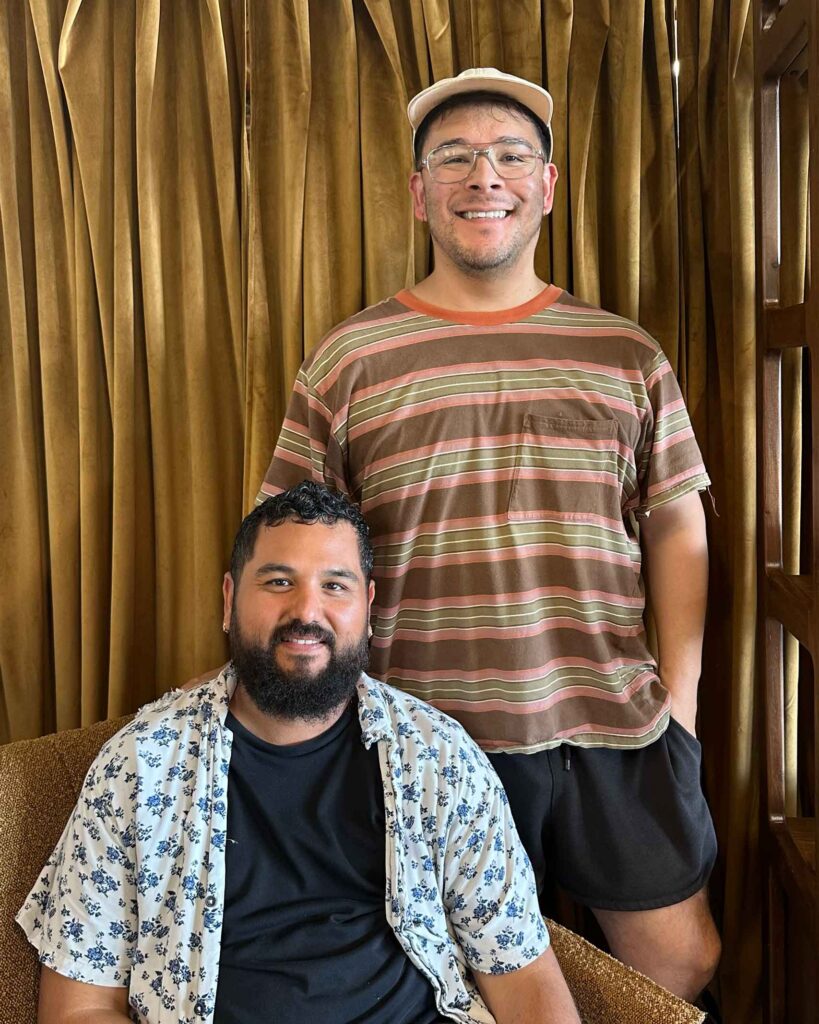
In a quiet corner, I join a candle-making workshop hosted by The Chicano Candle Company. This local brand is about being seen, but also about reclaiming the dignity of craft in a place built on the work of hands. Husband-and-husband founders Vincent and Adolfo, began at their kitchen table, pouring wax into jars, experimenting with scent blends that would fill a room unapologetically. Why? Because subtlety has never quite captured Chicano or queer resilience.
I pour my own candle slowly, choosing oils that speak to something half-memory, half-desire. Rose, like those from Adolfo’s Abuela’s garden; a mineral brightness that smells like sun on sand; a sweetness that recalls desserts at family gatherings. The act feels quietly radical: selecting, blending, authoring. In this small jar is the permission to take up space, to flaunt identity. Chicano heritage made tangible. Queer love set unapologetically. Indio made luminous.
Both Coachella and Indio remind me that identity and belonging are like water in the desert, running deep beneath the surface – until one day you notice that everything flourishing above it has been sustained by roots you didn’t see.
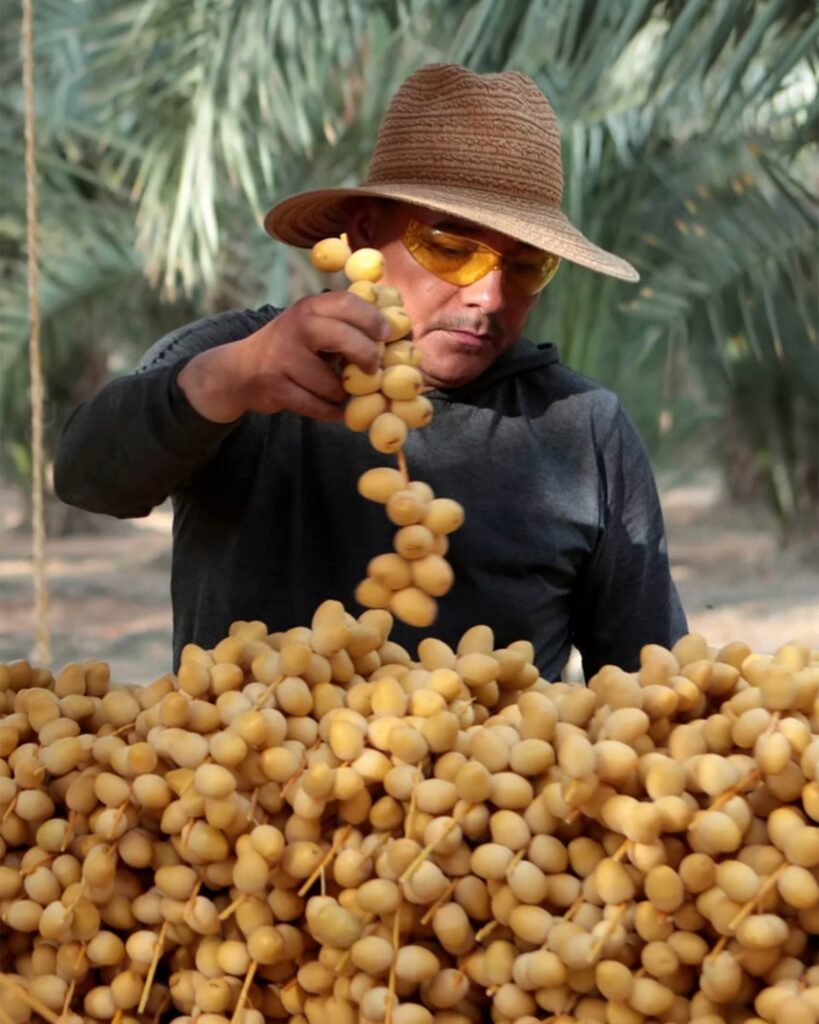
To my surprise, kale smoothies aren’t a thing here in the Coachella Valley – not even in Palm Desert – but date shakes are. Sweet, sticky, energy-boosting, mood-lifting, packed with fibre, minerals and antioxidants – what’s not to like? In just one sip, I begin to understand why these desert-grown fruits have carved out their own special corner of a multi-billion-dollar farming industry here, producing 85% of America’s dates.
Growing dates is about more than agriculture. All of the valley’s date farms are microcosms of immigration, ingenuity and sheer stubborn optimism. At Aziz Farms in Thermal, part of the valley’s sprawling date boom, the story is distinctly Californian, yet it began in Egypt, travelled through labourers’ hands, and settled right here in the desert.
Native to the Middle East and North Africa, date palms thrive under the punishing California sun. But what’s most impressive is the founding family’s devotion to evolving tradition. Tadros Tadros, fresh from Egypt, didn’t just plant palms in the 1980s – he planted a life. Now his son, Mark, and daughter-in-law, Nicole, have transformed the grove into something I can only describe as part classroom, part agritourism playground, part foodie event space. The Packhouse at Aziz Farms hosts school trips, workshops and parties, all coexisting alongside the four-decade-old farm.
Greenhouses filled with fruit- and vegetable-laden rows help schoolkids learn where their food comes from. Mark talks passionately about the importance of bees as a swarm zips past blooming calendula. Persian cucumbers peek shyly from their leaves, while experimental cilantro – tasting suspiciously like parsley – stands proud in its pots. The desert can surprise you, if you let it.
Tourism in Greater Palm Springs isn’t just about the resorts. It can be about how the desert nurtures possibility: how identities can stretch, grow and even stick a little, like date syrup on your fingertips. Every bite, every sip, every sticky smile reminds me that oases nurture roots, human and botanical alike. Thanks to the Tadros family, those roots are thriving, teaching and inviting anyone willing to get a little dirt under their nails to join in. I’m coming to realise that the ‘greater’ in Greater Palm Springs is being defined by this shift from tourist-facing luxury, to immersion into a living, breathing region – a valley that only works because of the interplay between tribal land, immigrant labour, innovation and families like the Tadroses who are keeping history alive while reimagining its future. This is hope literally turning into trees.
The
inside
track

Kelly Teo brings a global and luxury mindset as a commercial leader for brands such as Ritz-Carlton, Edition, St. Regis, One&Only and now the Parker Palm Springs. He draws inspiration from the culture, character and cadence of the destinations he works in – translating it into diverse, yet stylish market leadership, as well as a personal flair of providing insider perspectives. www.parkerpalmsprings.com
Browse
Start early and make for Palm Desert. Park once, then take your time along El Paseo – dip in and out of boutiques, linger over windows, people-watch a little. Slip away before it becomes too much of a scene. Afterwards, do something more local: the Palm Desert Certified Farmers Market on a Sunday morning is my favourite.
Hike
Wander Old Town La Quinta, then take a hike on trails like Bear Creek Oasis, Boo Hoff, or the Cove to Lake Trail. The trails range from leisurely paths to more ambitious routes, so there’s something for all abilities. If you can, time your visit with the La Quinta Art Celebration in the Spring – one of the valley’s standout cultural moments.
Shop
Vintage in Palm Springs is practically a given – The Shops at 1345 and Bon Vivant (where designer Jonathan Adler picked out vintage glasses for The Parker) are dependable favourites – but the city also does couture with a twist. Seek out my dear friend Sabine Luise for one-of-a-kind, upcycled pieces.
The Coachella Valley has been California’s premier relief valve for over a century. In the early 1900s, Palm Springs’ outskirts were dotted with sanatoriums. Tuberculosis, asthma and other ailments – social as much as physical – meant patients came for the magic air and water, to heal.
Thus, wellness comes naturally: in Desert Hot Springs, the earth literally rises to meet you: thermal mineral water shoots from deep aquifers into pools that form the heart of a wellness culture unlike anywhere else in North America. The Cahuilla were the first to recognise it, soaking not just for weary feet but for the soul itself. “Taking the waters,” as Europeans once did in Baden-Baden or Vichy, survives here, translated into modern talk, but with a distinctly desert logic: tactile, unhurried and elemental.
Luxury wellness resorts followed – not for tourists chasing trends, but for pilgrims returning to a source – with their bubbling mineral pools, spa facilities and treatments. At Azure Palm Hot Springs, I float under the moon on a lilo in a lunar-lit sound bath, gentle vibrations rolling through the warm mineral water. It is a desert lullaby, my body and the cosmos in enforced dialogue.
And suddenly, it all begins to make sense. This place isn’t about escaping life – it’s about feeling more of it. The heat becomes meditation. The water washes away urgency. The landscape – stark, honest, unadorned – forces confrontation with self. Furthermore, the desert is a spiritual leveller: the heat strips your mask, the sky reminds you of your smallness – and simultaneously, your possibility.
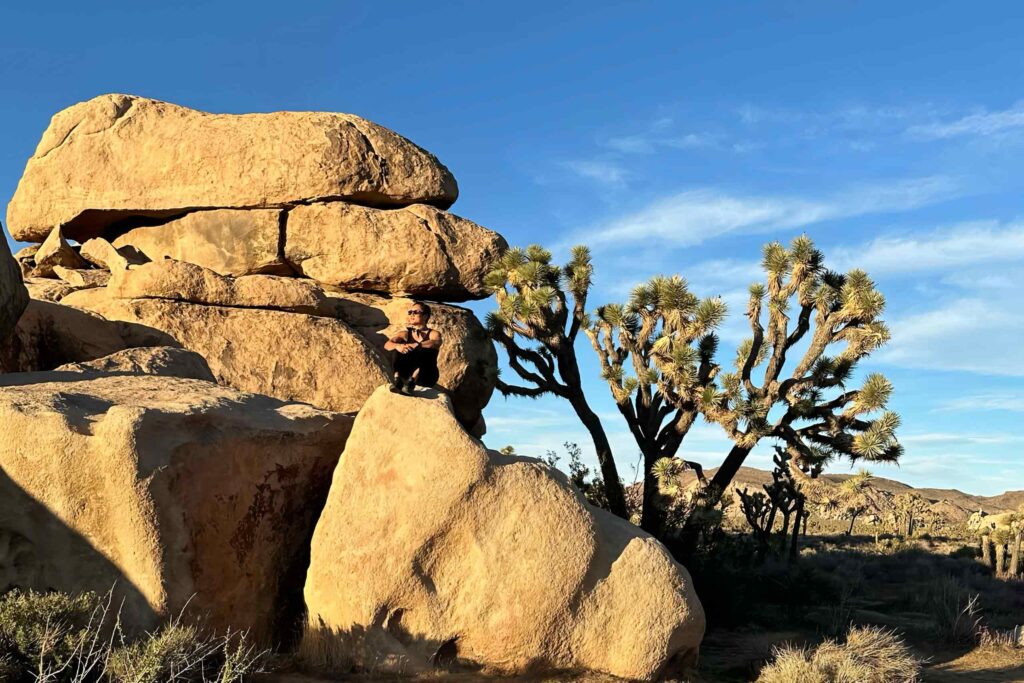
I arrive in Joshua Tree National Park, just as the sun performs its slow, theatrical descent. Dusk here is magic no photograph can truly capture: boulder-like forms turn molten gold, then dusky violet; Joshua trees twist into improbable, otherworldly silhouettes; the wind hums through the boughs, carrying the desert’s ancient song. Walking a quiet trail, I notice the shapes almost feel alive. The first stars prick the heavens, distant yet intimate. No pretence, no curated luxury. Just raw, untamed landscape, and me.
Night falls, and I dine under a canopy of desert sky. The local, female-owned Joshua Tree Catering Company has prepared an extraordinary meal: fresh, inventive, earthy, as food from the desert should be. Candlelight flickers against sandstone walls; the air is warm, dry, scented with sage. Conversation softens as eyes drift skyward.
Then the stargazing begins. The Milky Way arcs dense and luminous overhead and constellations reveal themselves in startling clarity. Shooting stars slice through the inky-black infinity. Every city skyline I’ve ever known feels claustrophobic, ordinary, small. Expert guides at Joshua Tree Astronomy Adventures point out celestial wonders, spinning tales that bring the night sky to life.
In Greater Palm Springs, wellness, knowledge, presence, identity and belonging converge. Even in a landscape inherently austere, the oasis offers its own kind of excess – of green palms, of affluence, of wellness, of the American Dream, of hope and possibility.
But the desert won’t hand you trees perfectly gathered. You must arrive, notice and participate. But once you do, it becomes yours – not as a destination, but as the promise that Morgan talked about at the very start: that you can feel both seen and small, liberated and tethered, quiet and expansive. It can reshape how you move through the world, how you treat others, and how you finally meet yourself – aware that even in the emptiness, abundance waits for the willing.
www.visitgreaterpalmsprings.com
Get OutThere
Do…
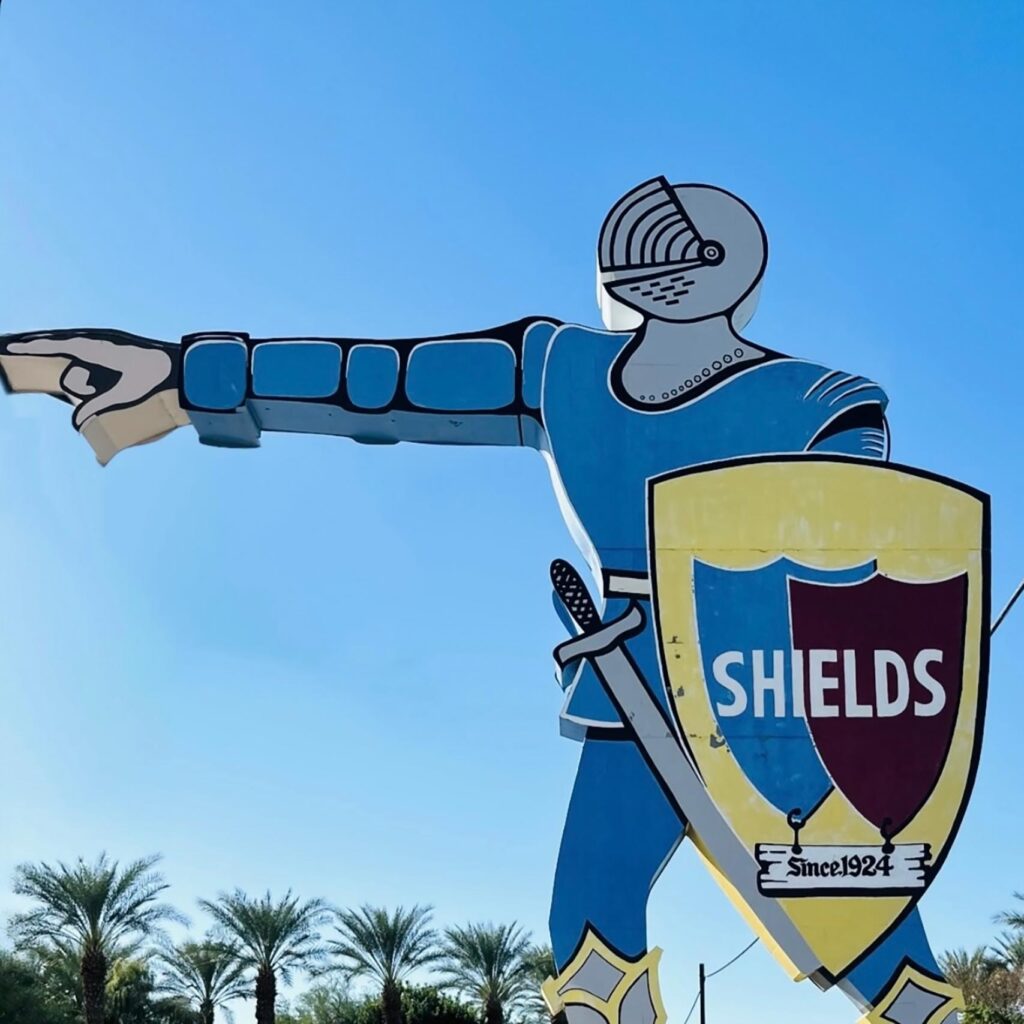
…sip a Shields Date Shake. It’s desert magic in a glass. Shields’ sticky, sweet date shakes are packed with goodness and optimism. Bonus points for the old-school Americana, soda fountain vibe of the Highway-111-side store.
Don’t…
…drive from Los Angeles like the rest of ’em. Land at Palm Springs International Airport instead – small, charming and with an outdoor vibe. For a moment, you’ll feel like a private jetsetter touching down in the desert’s own private terminal.
Do…
…dine between grassroots and glamour. For the real taste of the valley, head to Isla Mujeres in Indio: family-run, authentic Mexican cuisine and seafood, with local charm in every bite. Then, swing the pendulum the other way to Porta Via in Palm Desert with its bougie flair. It’s the yin and yang of Coachella Valley cuisine.
Don’t…
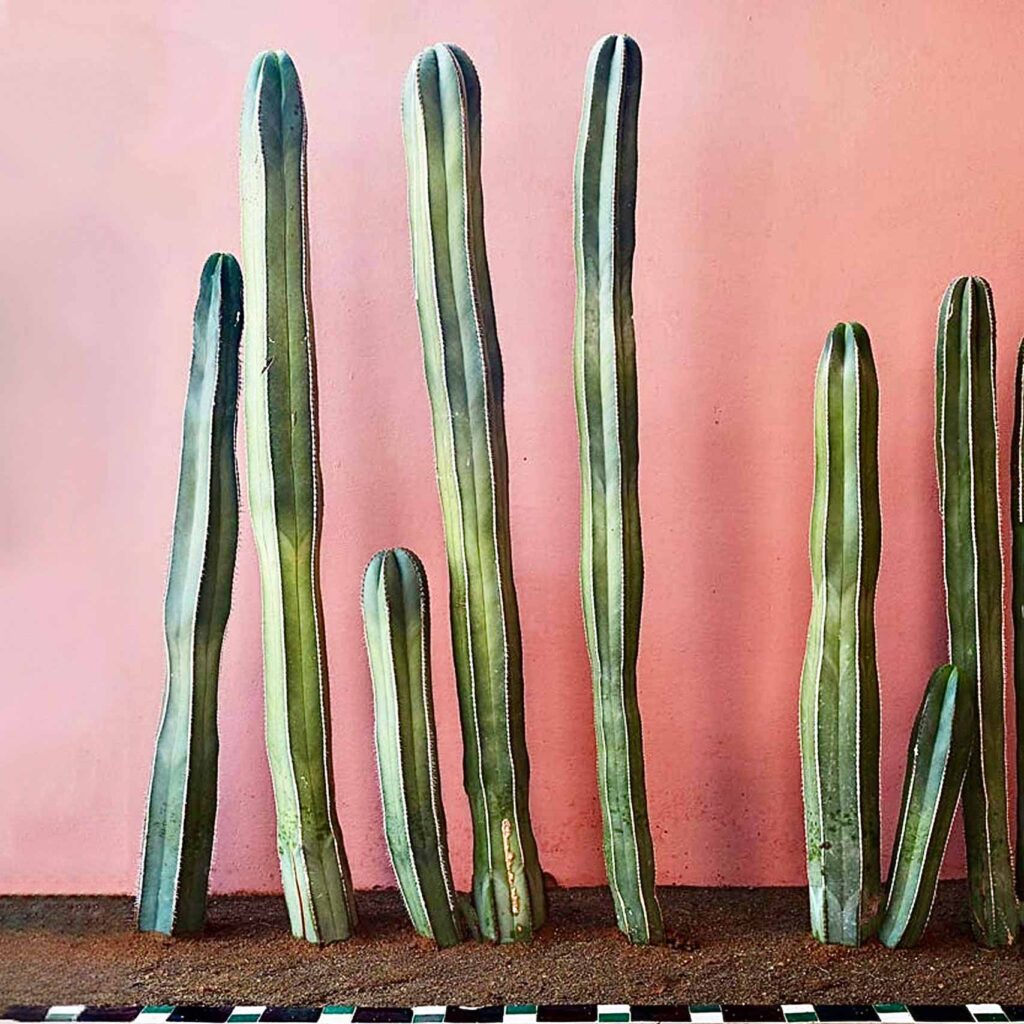
… miss a pretty in pink breakfast at the Pink Cabanna at The Sands Hotel and Spa at Indian Wells. Start your day surrounded by blush-hued walls, eclectic décor, boutique charm, and impeccable pastries and big, tennis-tournament ready breakfasts. The setting is as much a treat as the food.
Do…
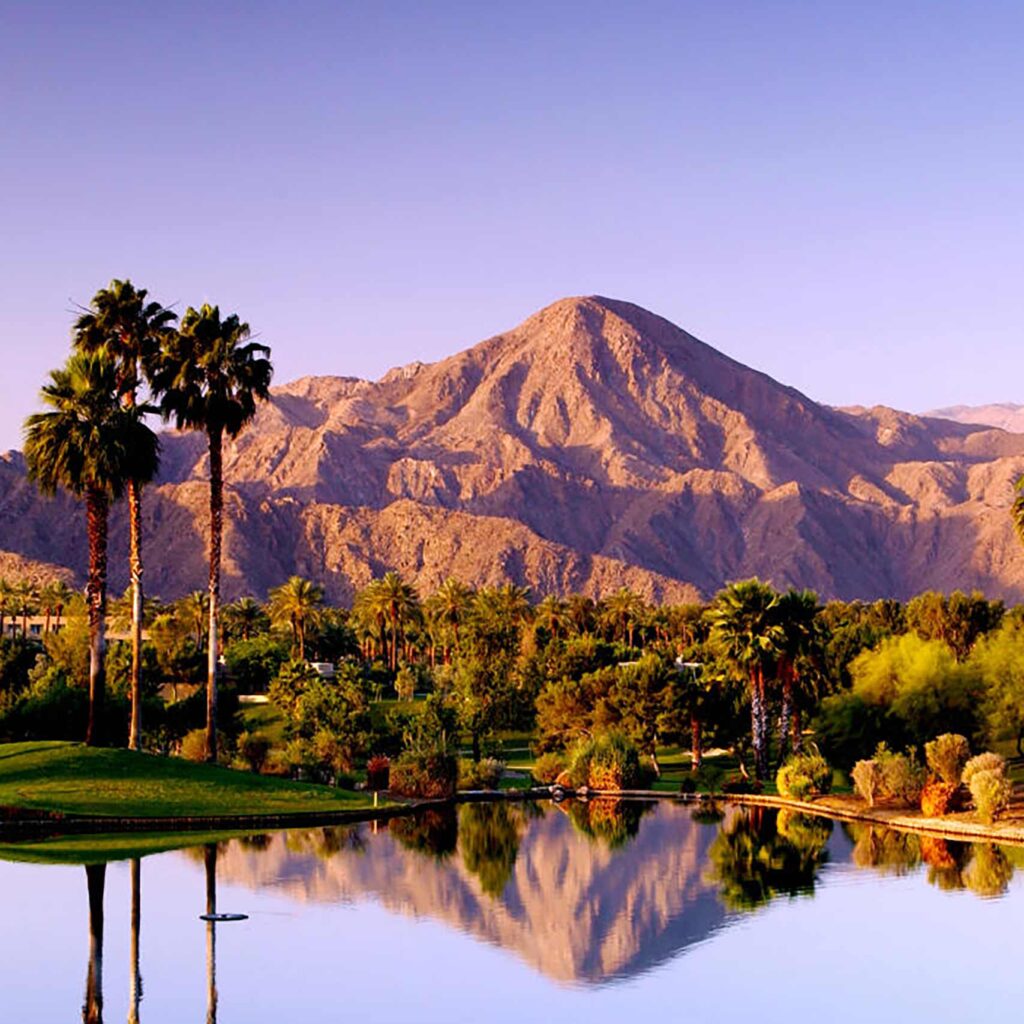
…serve looks and volleys with a tennis lesson at the Indian Wells Tennis Garden. The courts are pristine, the pros handsome, and the mountains loom behind you like a Hollywood set. Tennis here is part sport, part desert spectacle, all indulgent fun.
Don’t…
…forget to join the fun at the bars in Arenas Road in Palm Springs: LGBTQ+ history, nightlife and glittering personalities at every stop. Start at Toucans for cocktails and a dance floor that won’t quit, swing by Hunter’s Nightclub for desert drag.
Photography by Cesar Cid, Uwern Jong, Peter Thomas and courtesy of Aziz Farms, The Sands Hotel and Spa and Indian Wells Tennis Garden.