



Right in the thick of Morocco’s fabled port city, Mimi Calpe has sat hidden in plain sight since the 1860s, revealing itself only to those who know where to look. Should you find your way in, stay a while and lap it up, for this tranquil, boutique guesthouse is as sweet as lemon confit.
There’s a moment towards the end of the 1993 film The Secret Garden when the protagonist, little Mary Lennox, returns to her sanctuary in spring, this time bringing her cousin along to shake him free of his crippling hypochondria. At long last, they reveal what the audience has been waiting to see throughout the film’s duration. Once skeletal and unkempt, the garden is now in full bloom – a fairytale-like ecosystem, surging with colourful blossoms, birdsong, and endless greenery cascading from its walls… pure magic.
We’d wager that the children in that moment felt exactly as we did when checking into Mimi Calpe in Tangier. Within the city centre’s folds, just a short stroll away from the old medina and port – a storied juncture of Africa and Europe since the 5th century BC – this boutique guesthouse presents only a plain, closed face to the outside world, offering little to no hint of what lies inside, except for a metal door on a busy street where merchants sell spices, buckets of Aker Fassi (Moroccan clay lipstick), and dubious designer goods. Cross the threshold, however, and it unravels like a pocket universe of calm.
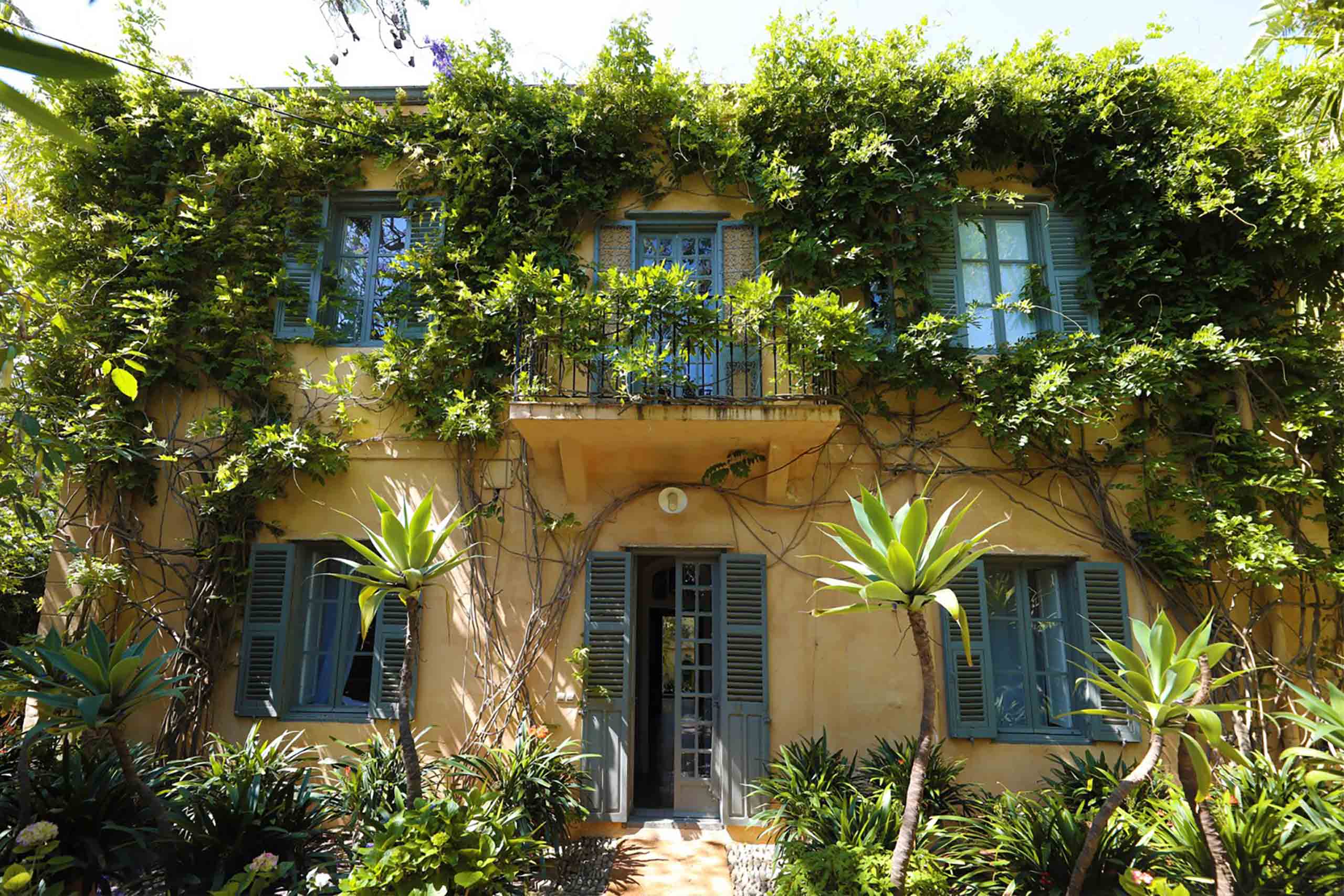
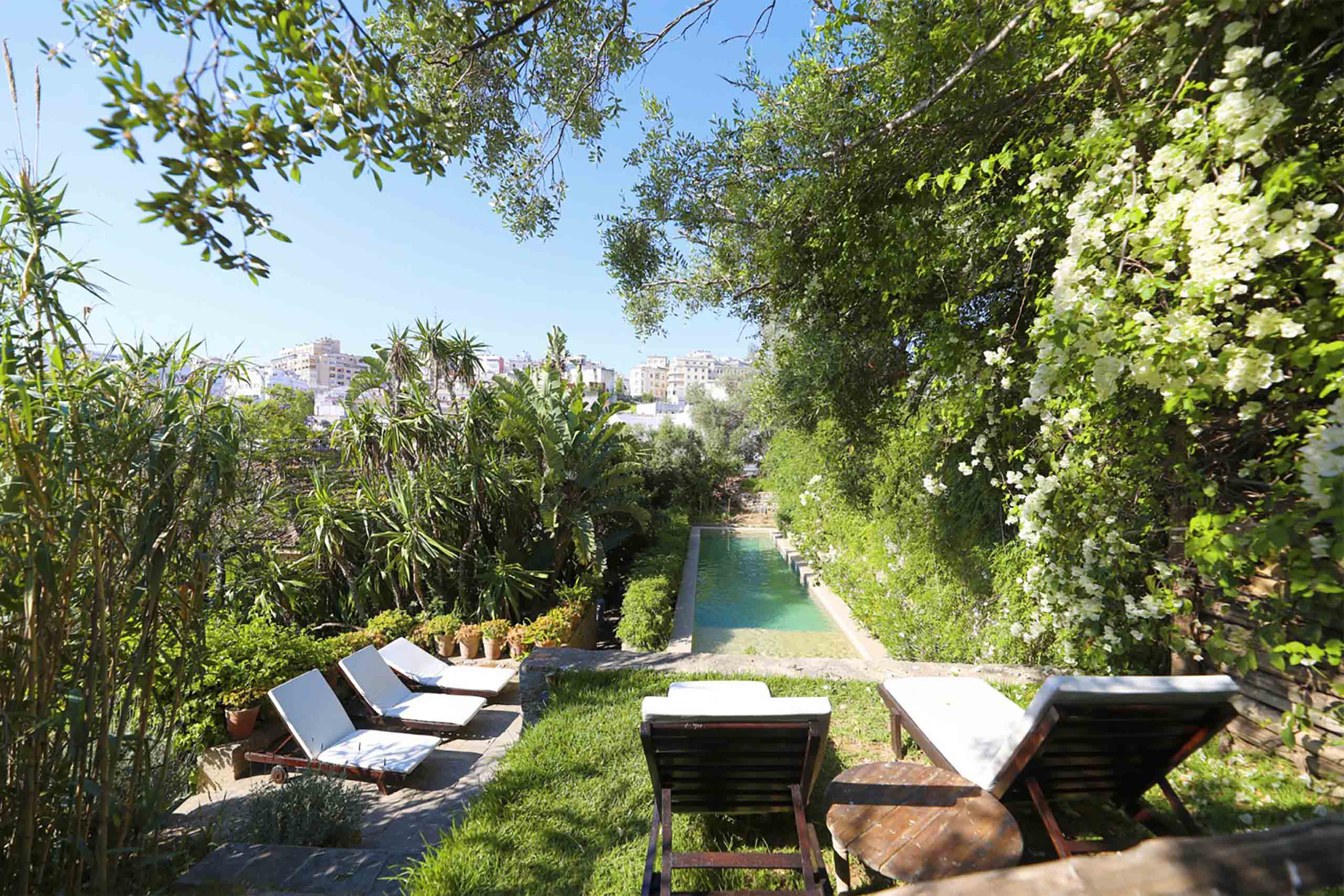
At first, its grounds might read as overgrown, albeit beautifully – an amber-washed French villa that has slowly succumbed to nature over time, with dense foliage, dangling jasmine that infuses the air, and vines that creep across its façade and straight through its louvre windows – and perhaps, in some ways, it is. But beneath it all is a clear sense of horticultural order that points to careful curation and stewardship, owed to the property’s gardeners and staff who we’re certain put hours upon hours of graft into tending it. Planters are kept in neat formation, branches have been teased into shape, while even the smallest weeds daren’t break through the stone tiles of the winding pathways (paths we found ourselves following before we’d even set our luggage down in our rooms). Few properties we’ve stayed in have inspired such impatient curiosity on arrival.
The villa is said to have belonged to an influential Jewish family in the mid-19th century, during the city’s heyday as a cosmopolitan trading hub and crossroads of culture. At the time, Tangier, nicknamed ‘The Bride of the North’ for its beauty, functioned as a point of contact between European and Moroccan interests, and houses like this often doubled as social and political spaces, hosting high-society soirées that brought together envoys, financiers, and explorers. A few decades later, and the city – an international zone – would go on to become one of the earliest safe havens for gay literati, including Paul Bowles and William S. Burroughs, who fled from a more conservative United States and Europe, drawn by the promise of discretion, inspiration, and the freedom to snake charm in peace, if you catch our drift.
That chapter was short-lived, unfortunately, closing as Morocco gained independence from France. But the city’s bohemian queer spirit still wriggles under the surface, coming up for air in the most unexpected places.
Today, the villa functions as an endearing guesthouse with just six bedrooms, two suites, and a bungalow, arranged across a cluster of buildings, which have each been gently restored to retain their Napoleon III character. It is now also home to a Mediterranean-style pool, its water the colour of amazonite. We spent most of our mornings doing laps here, before pausing with a cup of mint tea (poured from a height, of course) at one of several clearings that give way to glorious views of the Bay of Tangier and the Strait of Gibraltar. From time to time, the resident black-and-white cat would materialise out of nowhere like a witch’s familiar, arch its back, then regard us with mild indifference, as if we were just another set of passersby visiting its domain seeking rest and renewal. That we were.
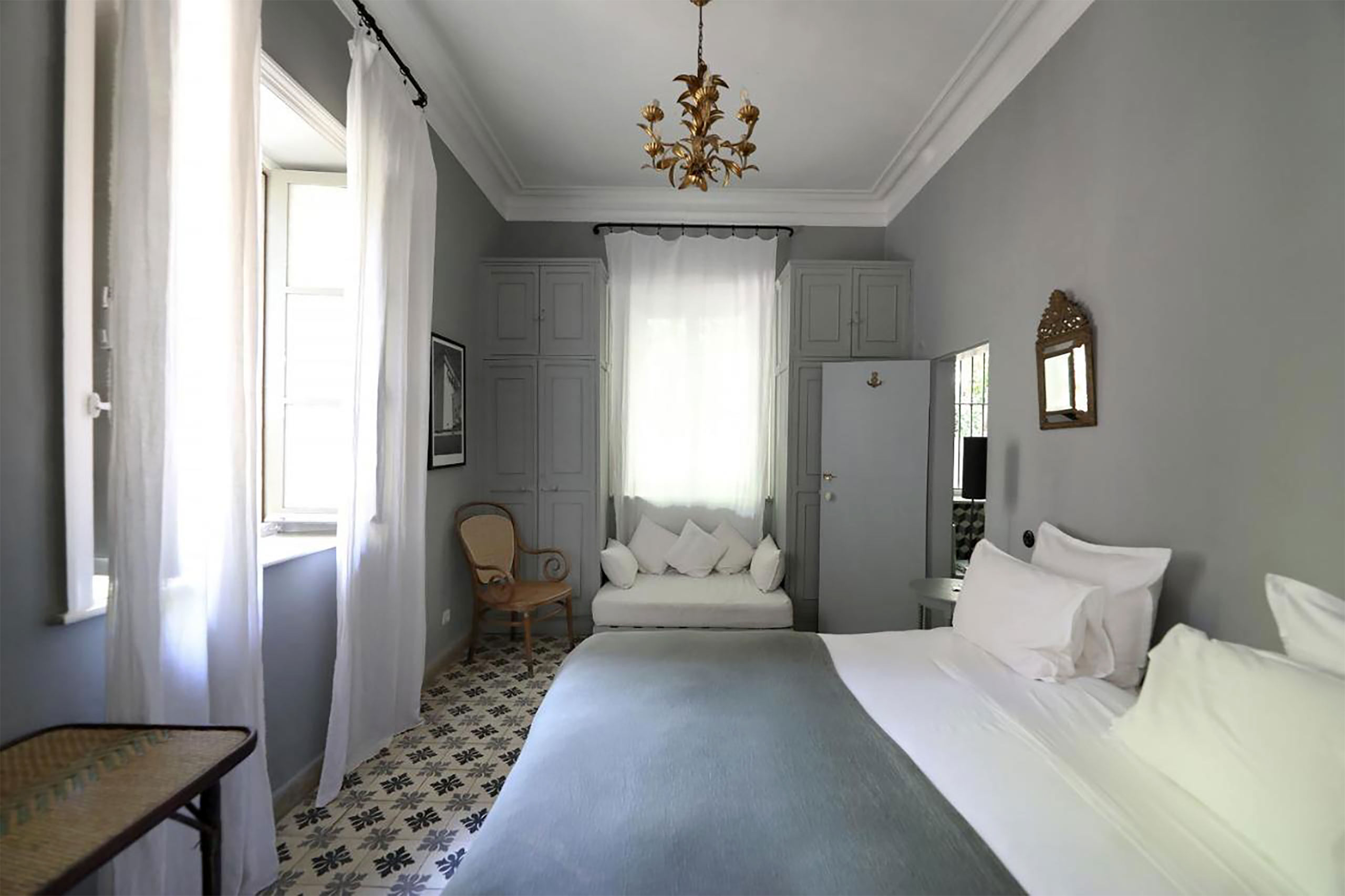
The interiors settle into unstuffy European eclecticism with North African influences, held together by a muted palette of ivory, coffee, and pastels, while tall windows pull in light and a menthol-cool breeze that kisses the sweat above your brows and sets linen curtains into motion. The very walls themselves seemed to breathe. Across them, a mix of modern paintings and vintage photographic prints of Moroccan figures is scattered, joined by shelves of ceramics, trinkets of yesteryear, old board games, and instruments that inspire late afternoon jams with strangers, though most guests keep to themselves.
Amenity-wise, the rooms are modest and unmodernised, without televisions, coffee machines, or in-room phones – an intentional choice, we believe, to keep you grounded in both place and pace, and to help you stick to your self-promise of disconnection. Ours, a 26 sqm (279 sqft) softly-lit space with high ceilings, came with a double bed, floor-to-ceiling wardrobe, freestanding bathtub, and a Juliet balcony. Service is similarly unobtrusive and hands-off, with the guesthouse’s dashing staff allowing for a more at-home experience of the property, though they remained attentive and always on hand at a 24-hour front desk whenever we needed them during our stay. For the more sophisticated jetsetter expecting an anticipate-your-every-move, “royal treatment” style of hospitality with nightly turndowns and the rest, the approach here might be too raw for your liking.
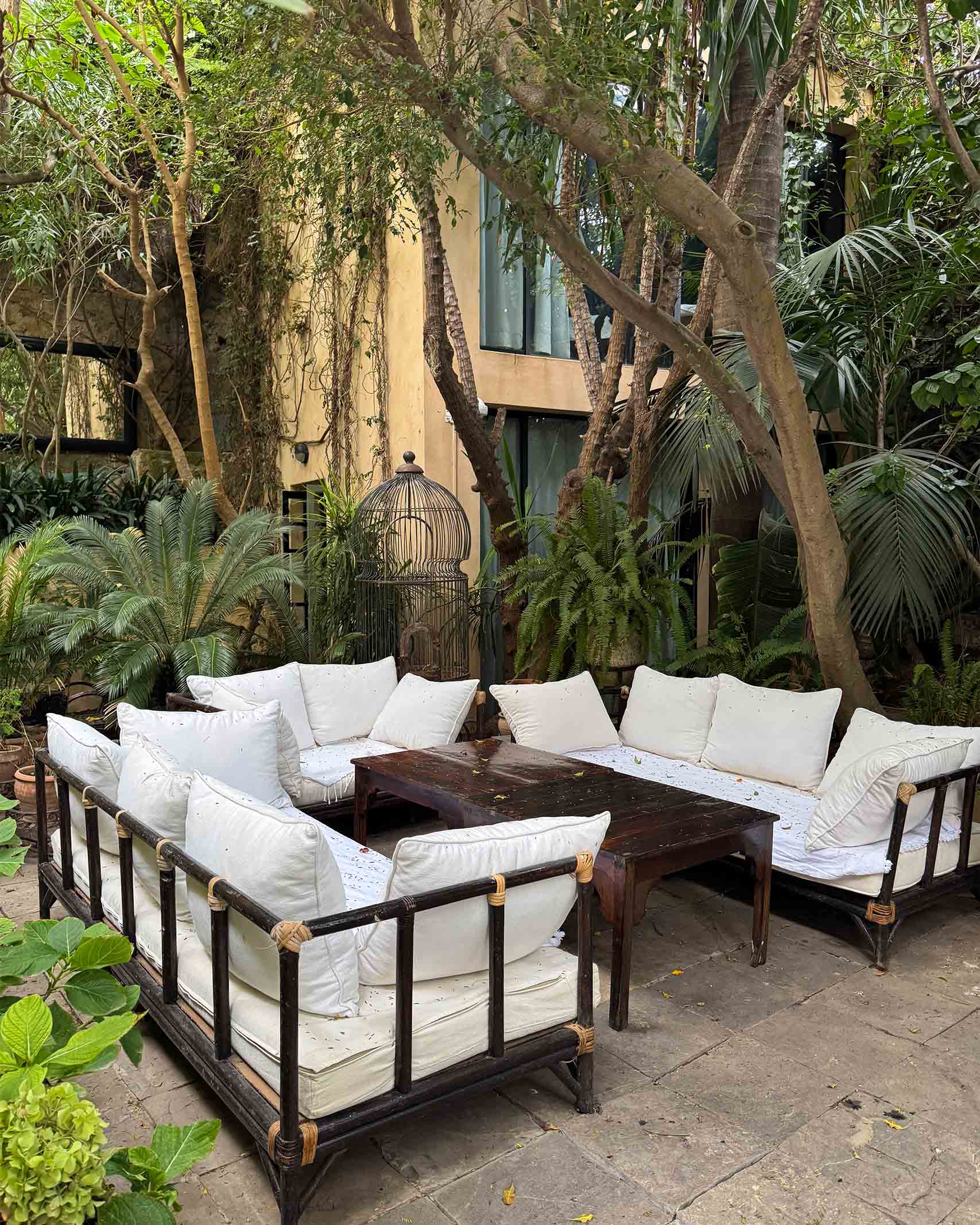
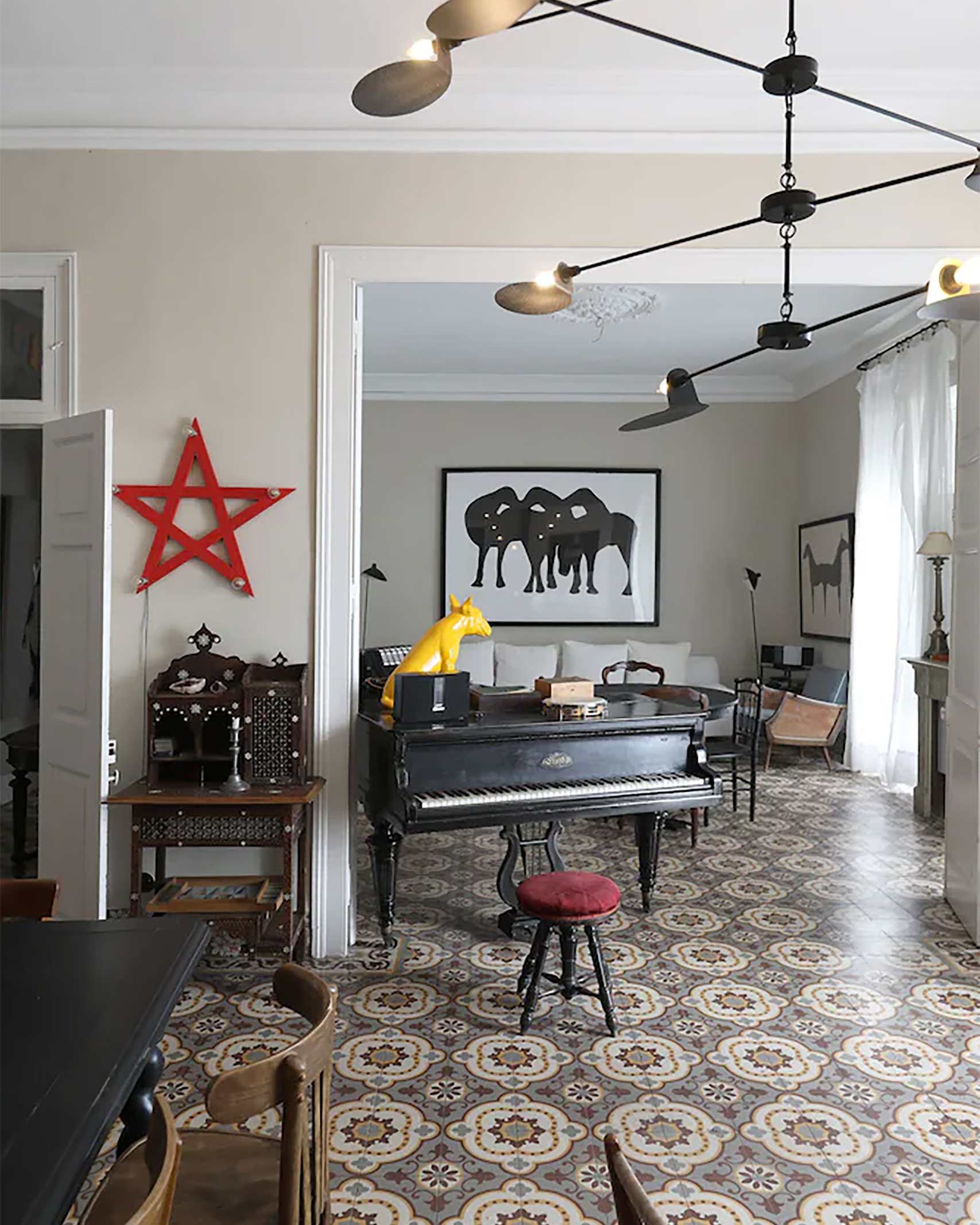
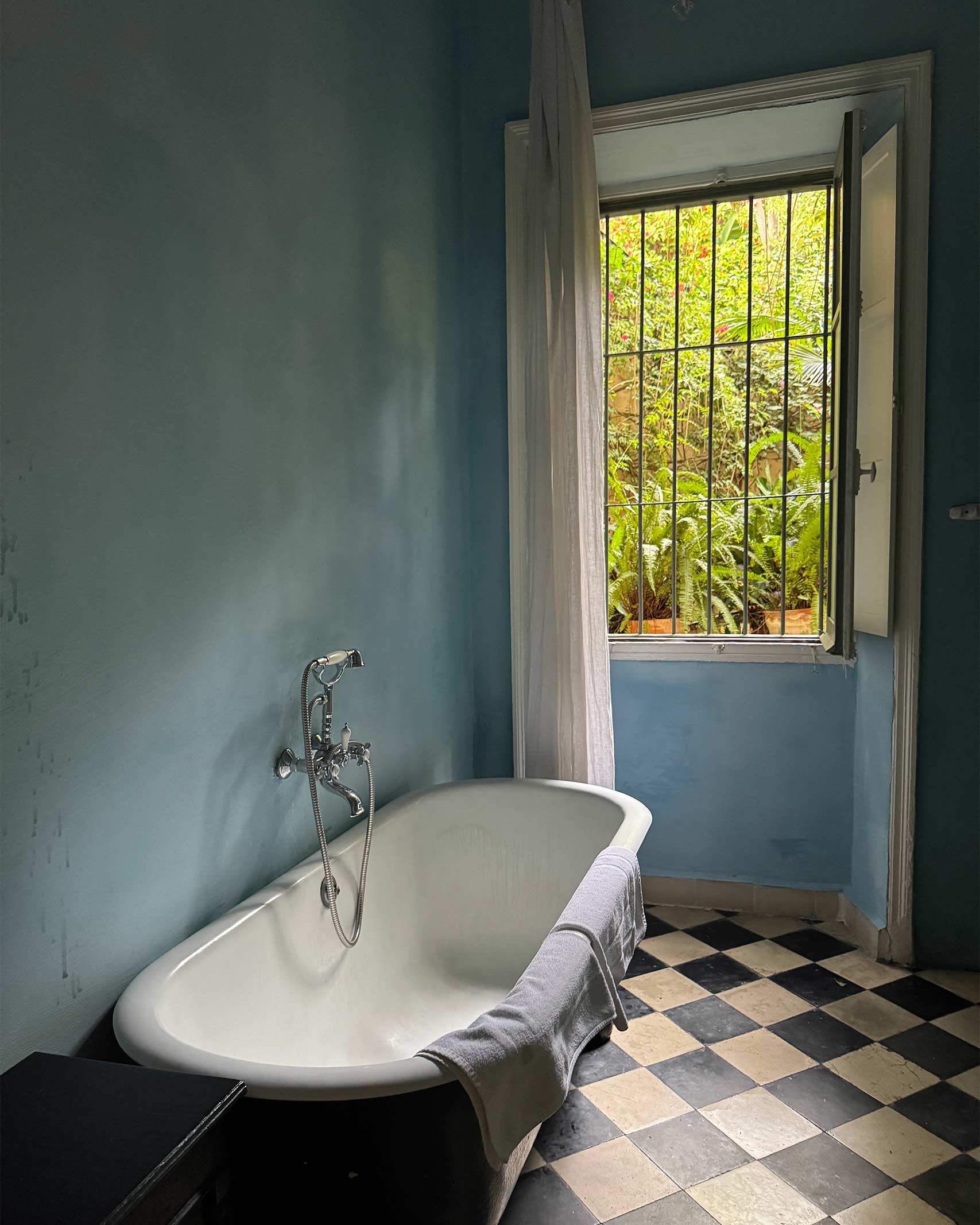
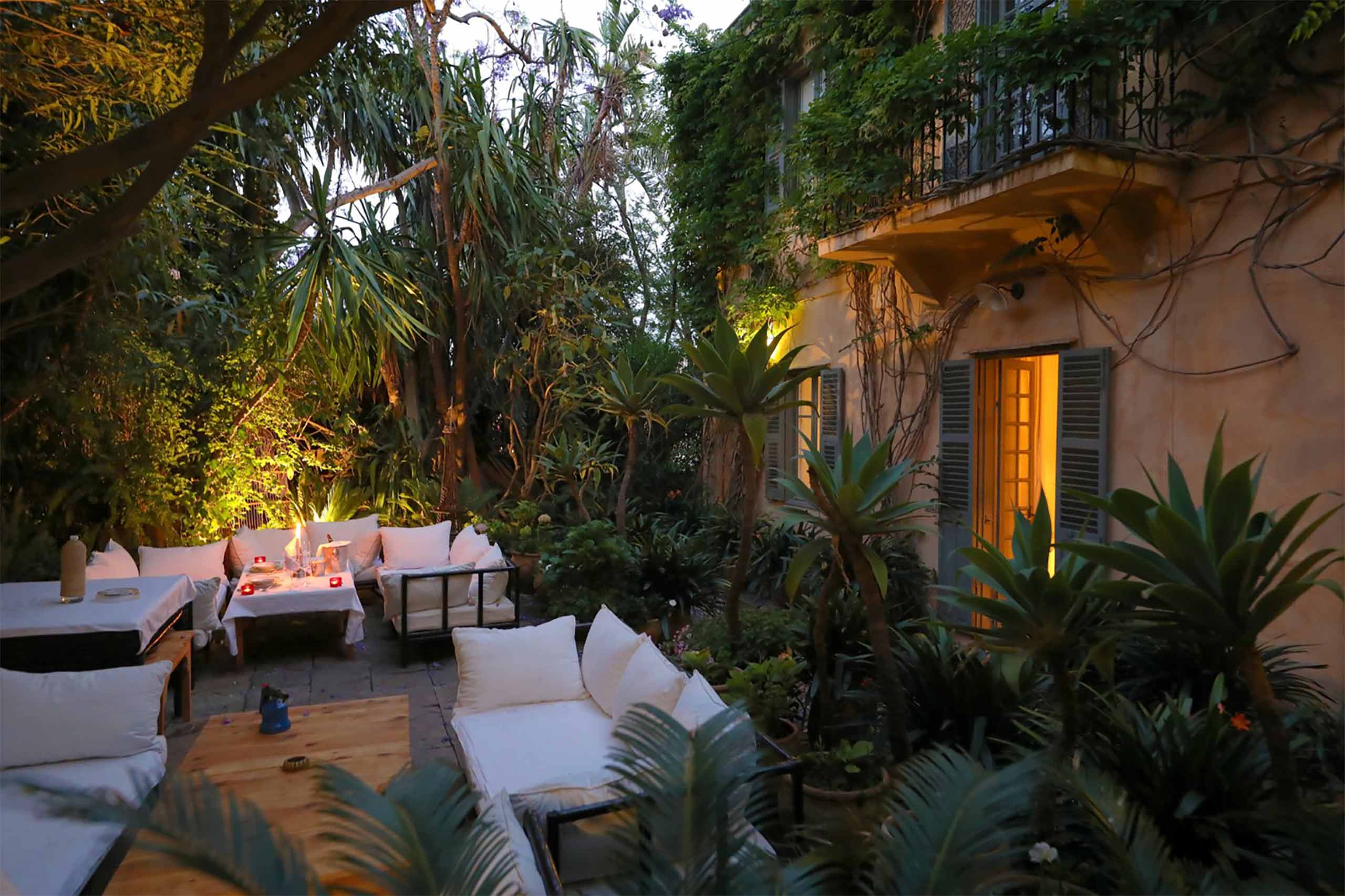
Simply ask, and the staff will arrange a massage in the villa’s small hammam or set up dinner in the main communal space. On particularly hot and sticky evenings, pull up a chair outside and watch the grounds come alive under lantern light as you tuck into good, honest Moroccan home cooking: slow-cooked tagines infused with preserved lemons and olives, and herby fish chermoula that falls from its bones. Much like The Secret Garden, the Mimi Calpe experience is stitched together with beguiling scenes like this. You’ll wish you could bottle it, hook it up to an IV, and drip-feed it into your system the moment you leave.
Bradley’s stay at Mimi Calpe was part of a bespoke itinerary by Inclusive Morocco, the local and queer-owned tour operator offering visitors rare access to the places – and people – really shaping Morocco today.
Photography courtesy of Mimi Calpe and Bradley Burke

Perfect for
The Culturalist

Fly into
TNG

Right on time
GMT +1
While you’re OutThere
It’s a two-hour drive from Mimi Calpe, and feels longer when you’re heading there at 6 am to catch the morning light (guilty), but to leave northern Morocco without seeing Chefchaouen (the Blue City) with your own eyes would be a missed opportunity.
The headline attraction of this small fortress town in the Rif Mountains is its colour, of course – almost all of its medina has been painted in various shades of vivid blue – though it’s more than just eye candy. You could spend hours walking through its labyrinthine sapphire alleyways, shopping for local handicrafts and natural soaps, and befriending its residents, both human and feline. Arrange a visit independently, or, if you’d rather spend more time exploring and less time dealing with logistics, entrust it to Inclusive Morocco, the country’s first queer-founded and led travel company specialising in tailored luxury journeys.