

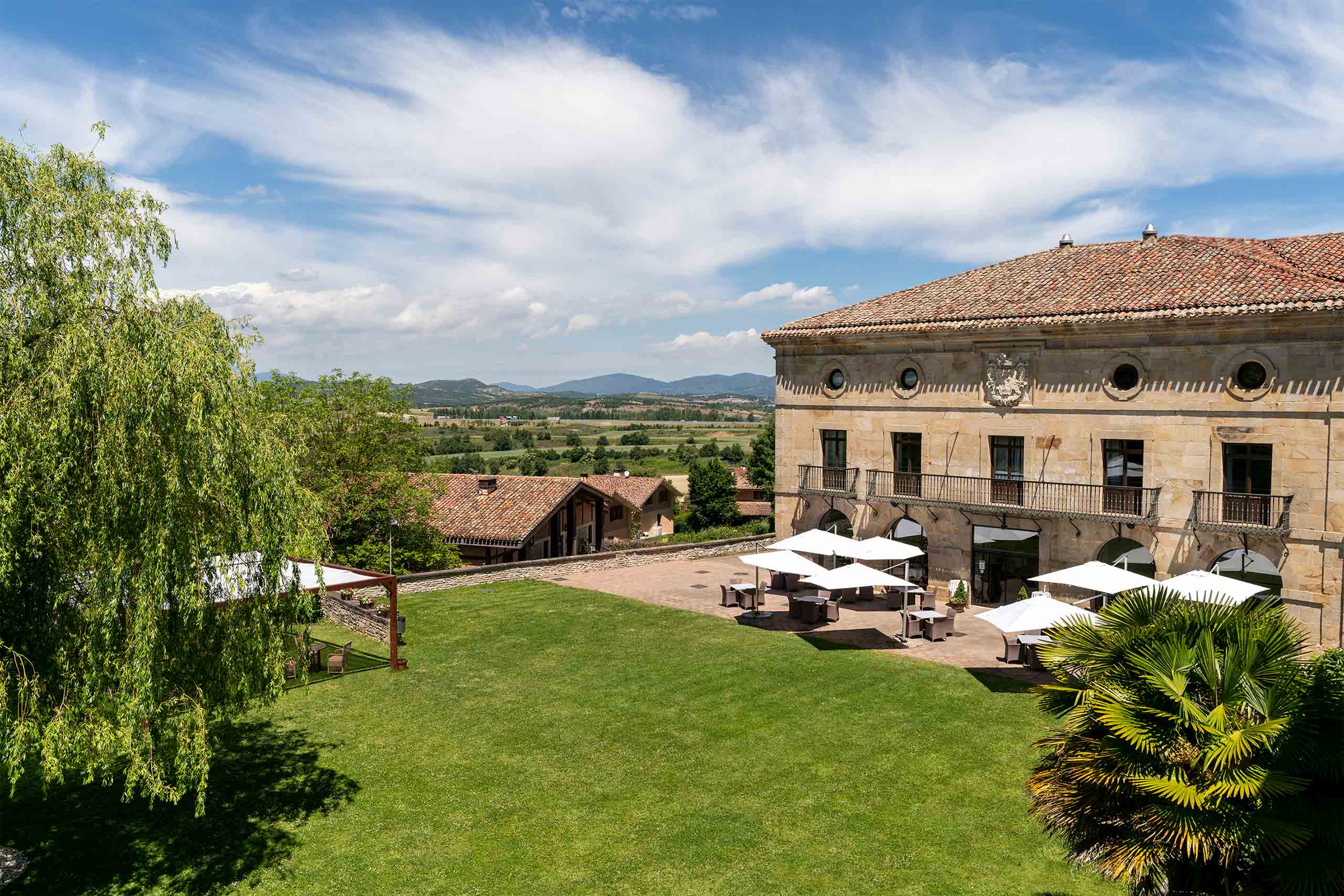




Convent, palace, Napoleonic headquarters: this dignified old soul in Álava has played many roles over the centuries. Today it goes by the name of Parador de Argómaniz, and serves as a tranquil foothold for culture buffs drawn to the landscapes, flavours, and layered history of the Basque Country’s largest province.
The plains of Álava in Northern Spain have seen more drama than their pastoral calm lets on. A little over two centuries ago, this patchwork quilt of cereal fields, embroidered with farmhouses and emerald hedgerows, was the arena for one of the decisive clashes of the Peninsular War, known in history as the Battle of Vitoria. It all began after a certain short-tempered French emperor forced the then Spanish king to abdicate and installed his older brother, Joseph Bonaparte, on the throne (putting the ‘nepo’ in nepotism), something many Spaniards didn’t take kindly to. And they weren’t about to let it slide. For five long years, they fought to drive the invaders from the peninsula with the help of Britain and Portugal, a grinding tug of war that raged across mountains, cities, and countryside, until finally the Duke of Wellington and his allied army swept into the valley in the summer of 1813, defeating the French and forcing Joseph to flee towards the Pyrenees. Hurrah!
According to local lore, before Joseph packed up and left, he had been stationed at a 17th-century Renaissance-style palace in the little village of Argómaniz – 12 km east of the Basque capital, Vitoria-Gasteiz – from which the movement of armies across the plains could be easily observed, thanks to its slight elevation. These days, that building deals only with matters of peace rather than war, having been reborn as Parador de Argómaniz, part of the state-run network of almost 100 luxury ‘parador’ hotels fashioned from time-worn palaces, monasteries, fortresses, you name it, up and down the country.
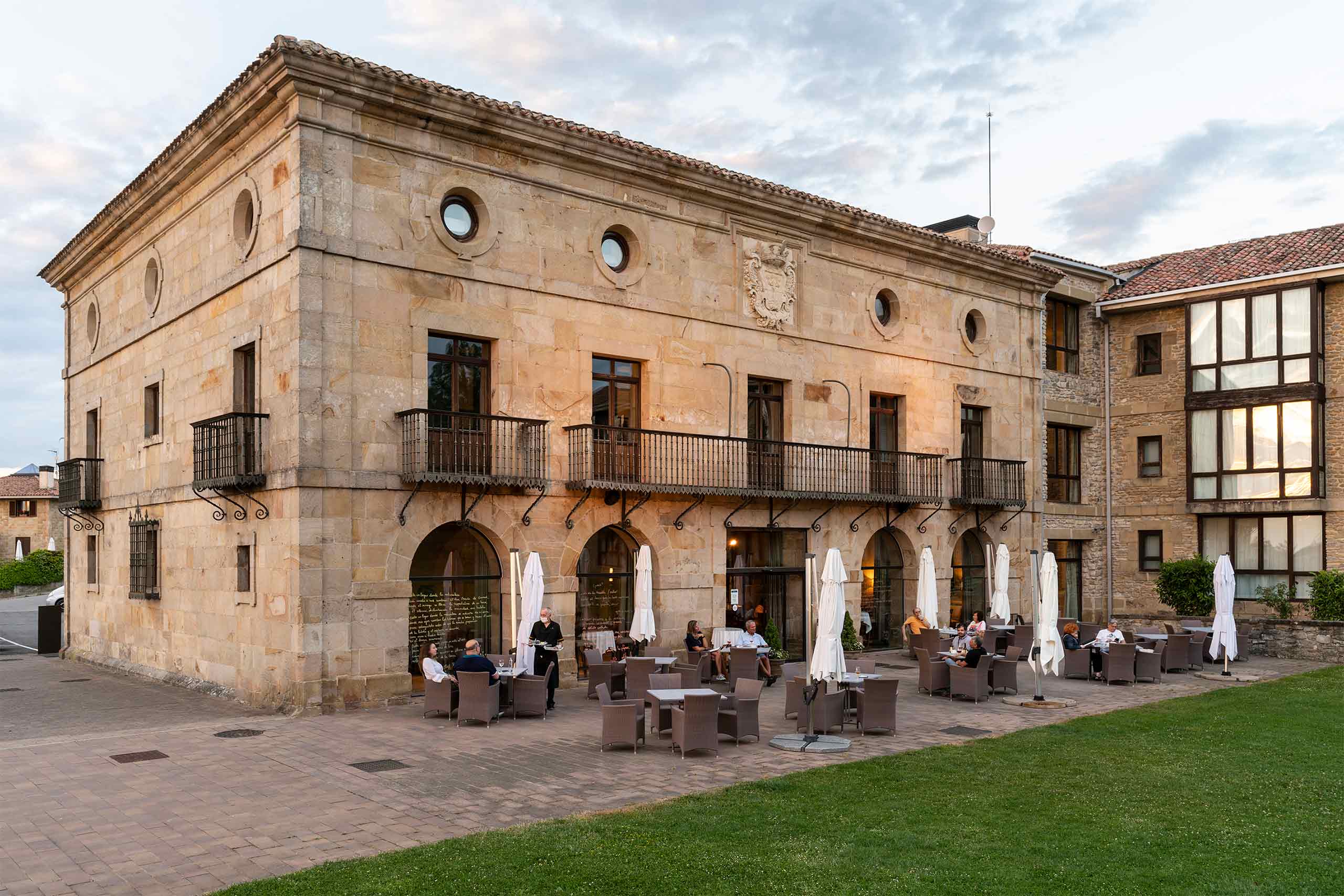
The palace was carefully restored and expanded with additional wings for use as a hotel in the 1970s, though much of its original appearance, particularly its façade, remains handsomely intact. A warm, square-shouldered sandstone structure punctuated by wrought-iron Juliet balconies and a terracotta-tiled roof, it exhibits reminders of its long history at every turn: stone staircases and fluted columns in the communal areas, and a coat of arms emblazoned above the main entrance, a lingering trace of its days under the ownership of the influential Basque Larrea family.
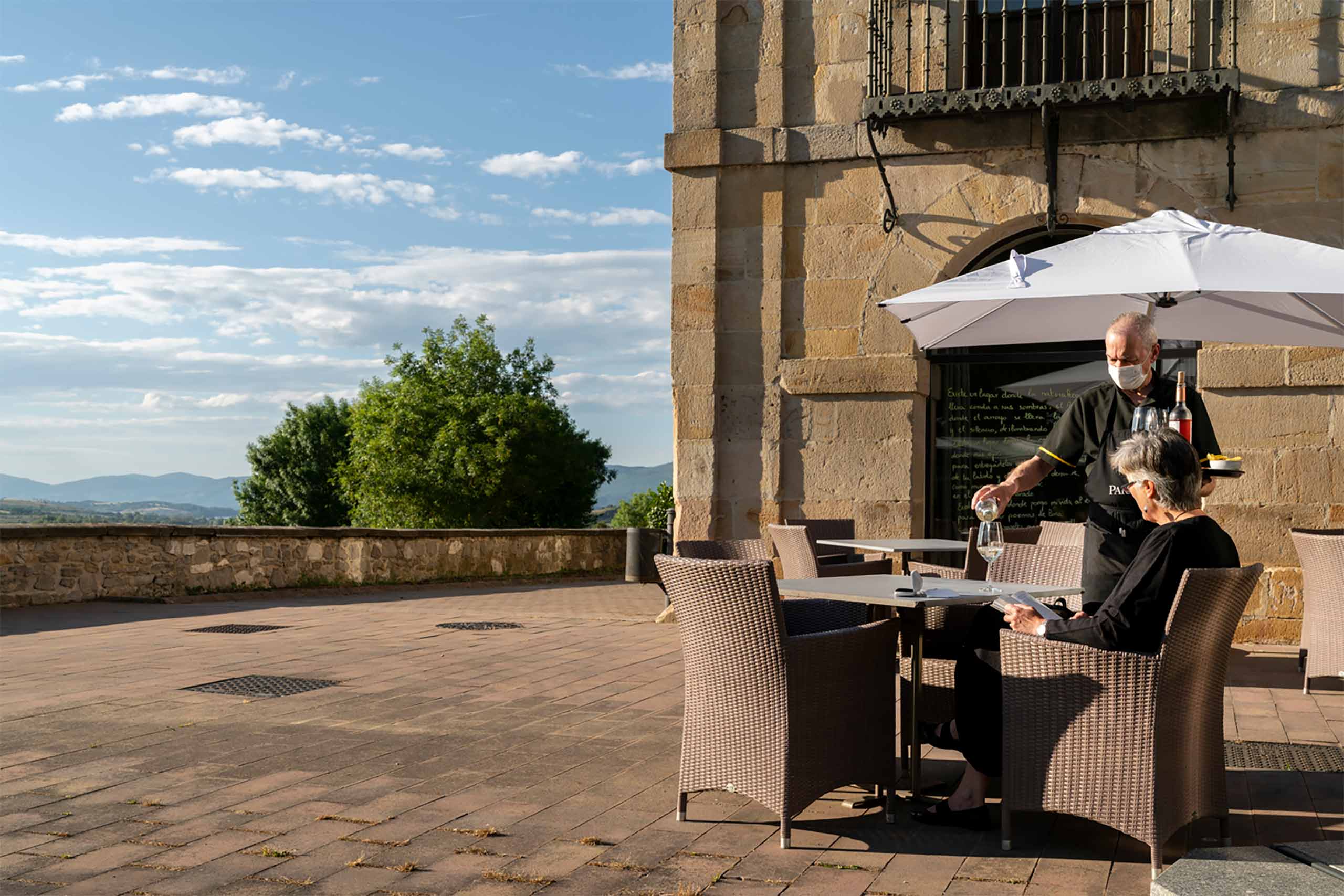
It’s not that we expected to hear volleys of cannon fire, but one thing that immediately struck us upon arrival was the stillness of the property and its surrounding grounds. It was so still, we reckoned, that we might’ve been able to hear a Rioja cork popping from half a mile away if we cupped our ears. Perhaps it is this quality of the hotel, among many others, that draws a more mature crowd of unhurried travellers through its doors, each seeking a tranquil home away from home after long days spent uncovering the epicurean and historic pleasures of Álava’s countryside. In late afternoons, we’d see them slumped into seats on the terrace with a glass in hand, knackered, exercising their well-earned right to do nada on their precious holiday. It was never long before we did the same.
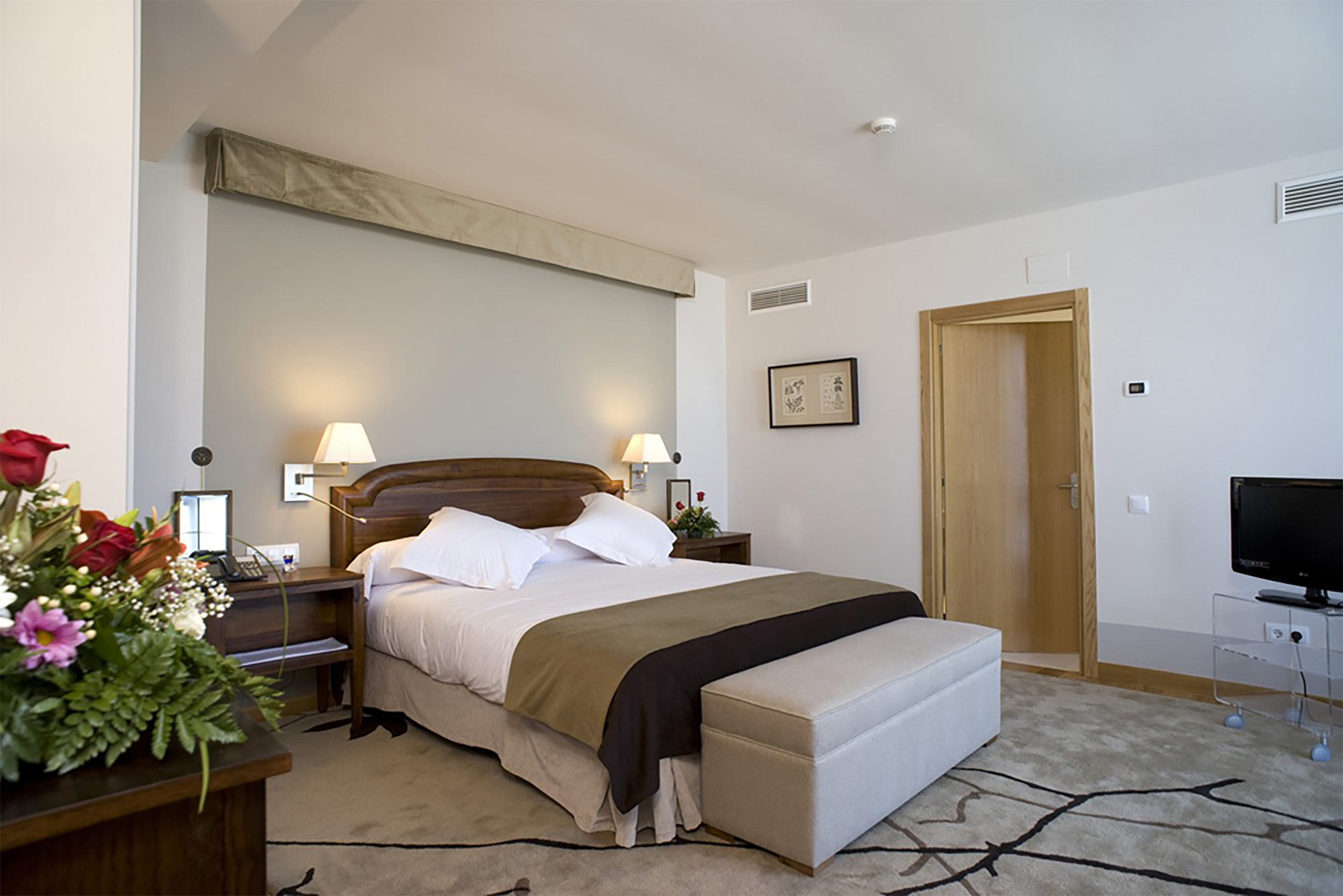
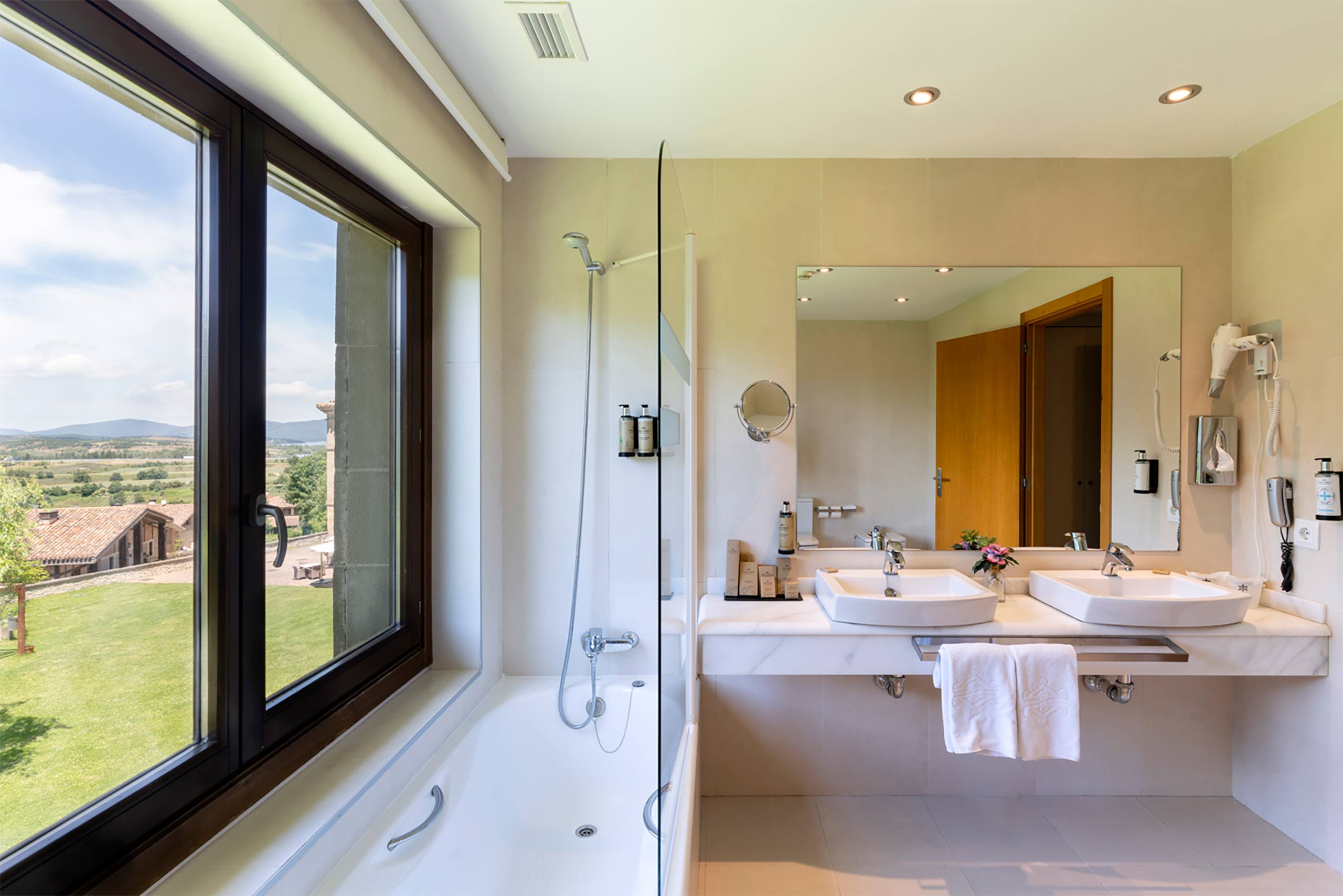
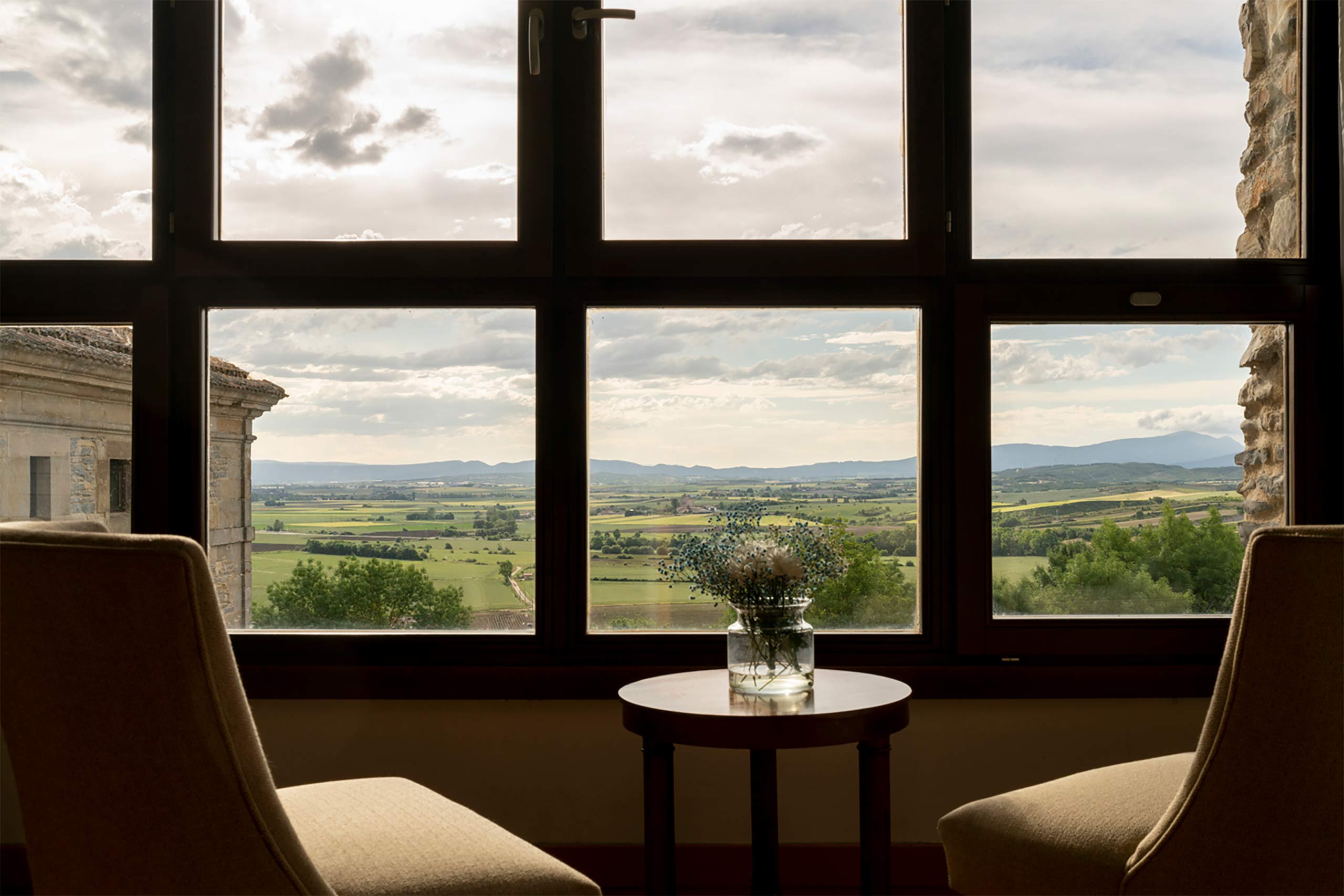
The hotel’s easygoing calm carries through to its modest collection of 53 accommodation options, which come in four different categories; among them are Accessible Double rooms, offering step-free access, wider doorways and additional space for wheelchair users, as well as adapted bathrooms. Rooms are dressed in rich chocolate browns, creams, and greys, with traditional furnishings, all intended to complement the soothing views of Llanada Alavesa through floor-to-ceiling windows (or the village, depending on which side of the property you’re staying in), rather than compete with them. The room decor was a little on the bland side in our eyes, perhaps, but it lends the palace a comforting sense of approachability, suiting those who value soul over style.
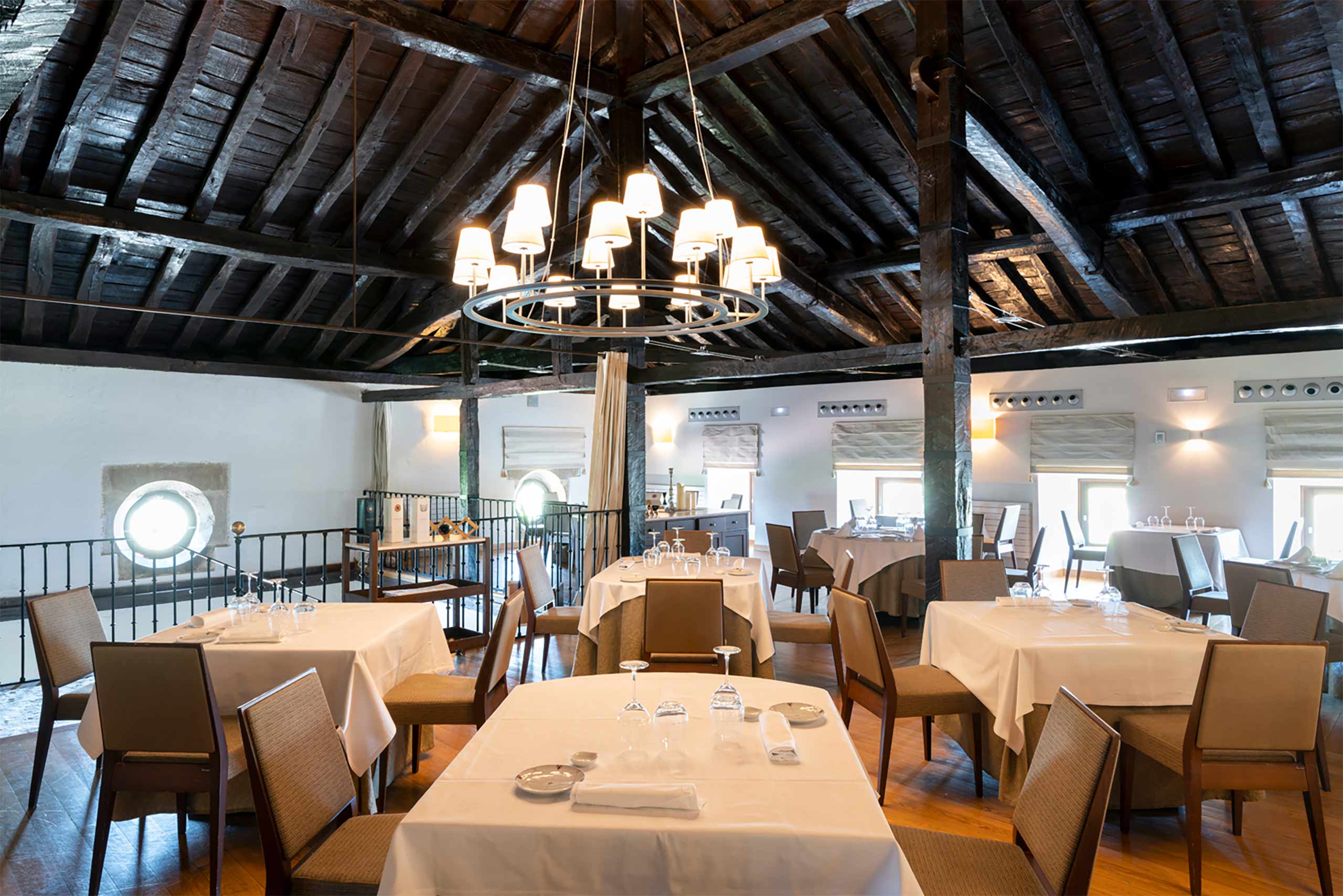
Matters of taste are hardly debatable in the palace’s onsite eatery, Restaurant Aletegui, whose menu celebrates the flavours of traditional Basque cuisine. Guided by the seasons, local produce from Álava takes centre stage here in a range of hearty, well-executed dishes, like milk-fed lamb shoulder, traditional Iberian ham croquettes, and oxtail finished with Idiazabal cheese – all three of those dishes were delectable, we must say. All the while, hulking timber beams span the lofted dining room overhead, their heavy frames recalling the bones of the old granary the restaurant is said to occupy, as porthole-style windows draw the surrounding plains and mountains gently into view.
Parador de Argómaniz may have once been a base for the losing side of a conflict, but today it’s a clear win for modern-day wanderers pursuing culture and quietude in Álava.
Photography courtesy of Paradores

Perfect for
The Culturalist

Fly into
BIO

Right on time
GMT +2
While you’re OutThere
In this part of the Basque Country, wine tends to take care of itself. Rioja Alavesa is just down the road and, if you’re anything like us, you’ll likely be sniffing out bodegas among its vine-laced hills like a truffle hound on the scent, so we’ll leave that particular adventure in your capable hands. Should the mood strike for dinner beyond Parador de Argómaniz, however, we suggest you make the short trip into Vitoria-Gasteiz (around 15 minutes by car) and pull up a chair at La Escotilla. This small but much-loved seafood-focused tavern has earned a loyal following for its richly flavoured Basque dishes and cosy ambience.