

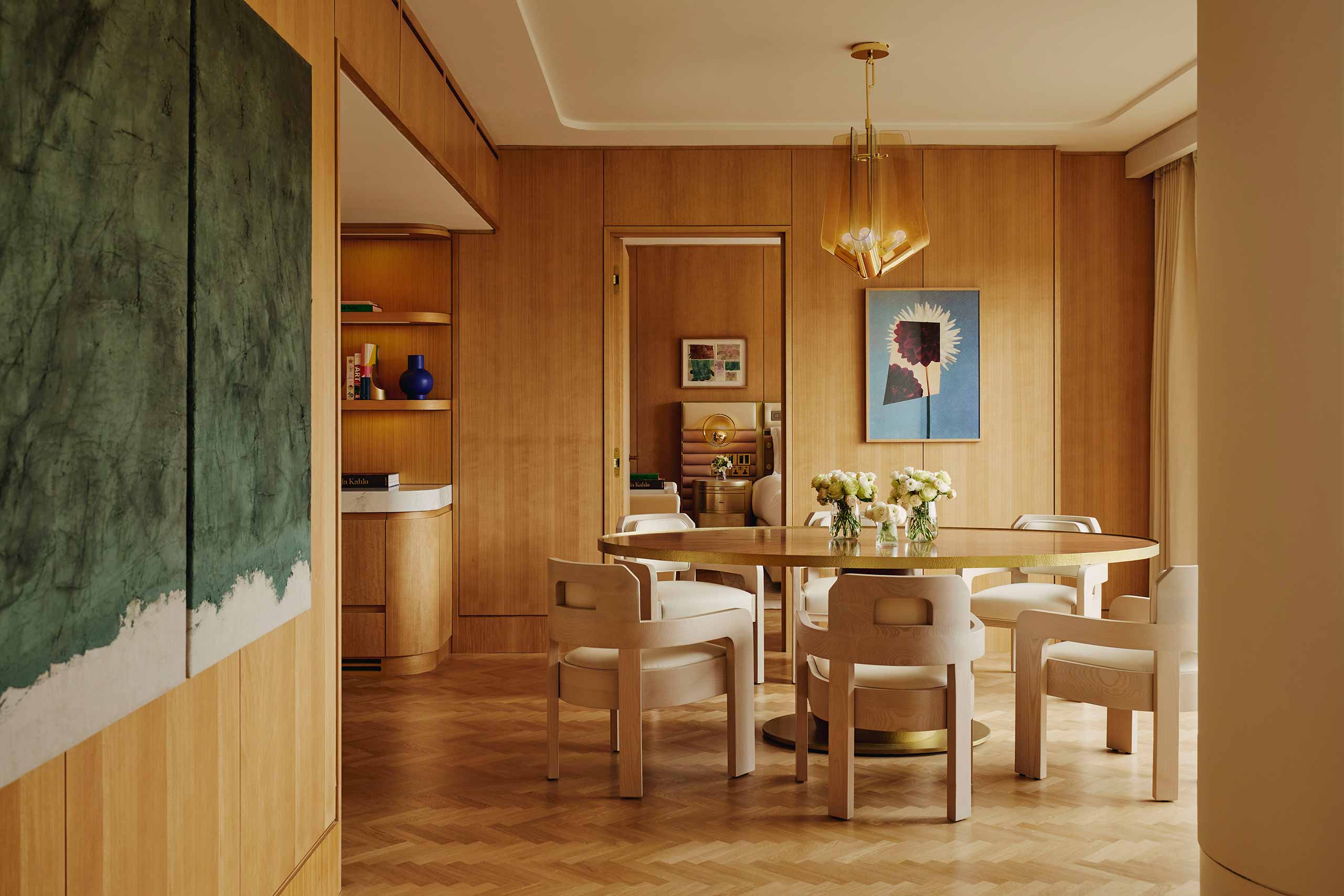




We often ask ourselves what makes a hotel unmistakably London. Is it something that reflects the city’s kaleidoscopic diversity? Certainly. Is it a sweeping view over Hyde Park, and the rooftops and skyline beyond? Without question. Perhaps it’s a perceptive cultural intelligence, an “if you know, you know” insider flair that eludes most non-Londoners? Absolutely. Yet to distil all of this into a single, coherent experience, without it feeling staged or self-conscious, is no small feat. We believe The Emory – London’s first all-suite hotel – may just have achieved it, despite some critics dubbing it eccentric and still negotiating its identity. But we see it differently: The Emory is a hotel that knows London intimately. For the cognoscenti, it delivers charm, poise and a mischievous wink, offering a side of the city that not everyone may fully grasp.
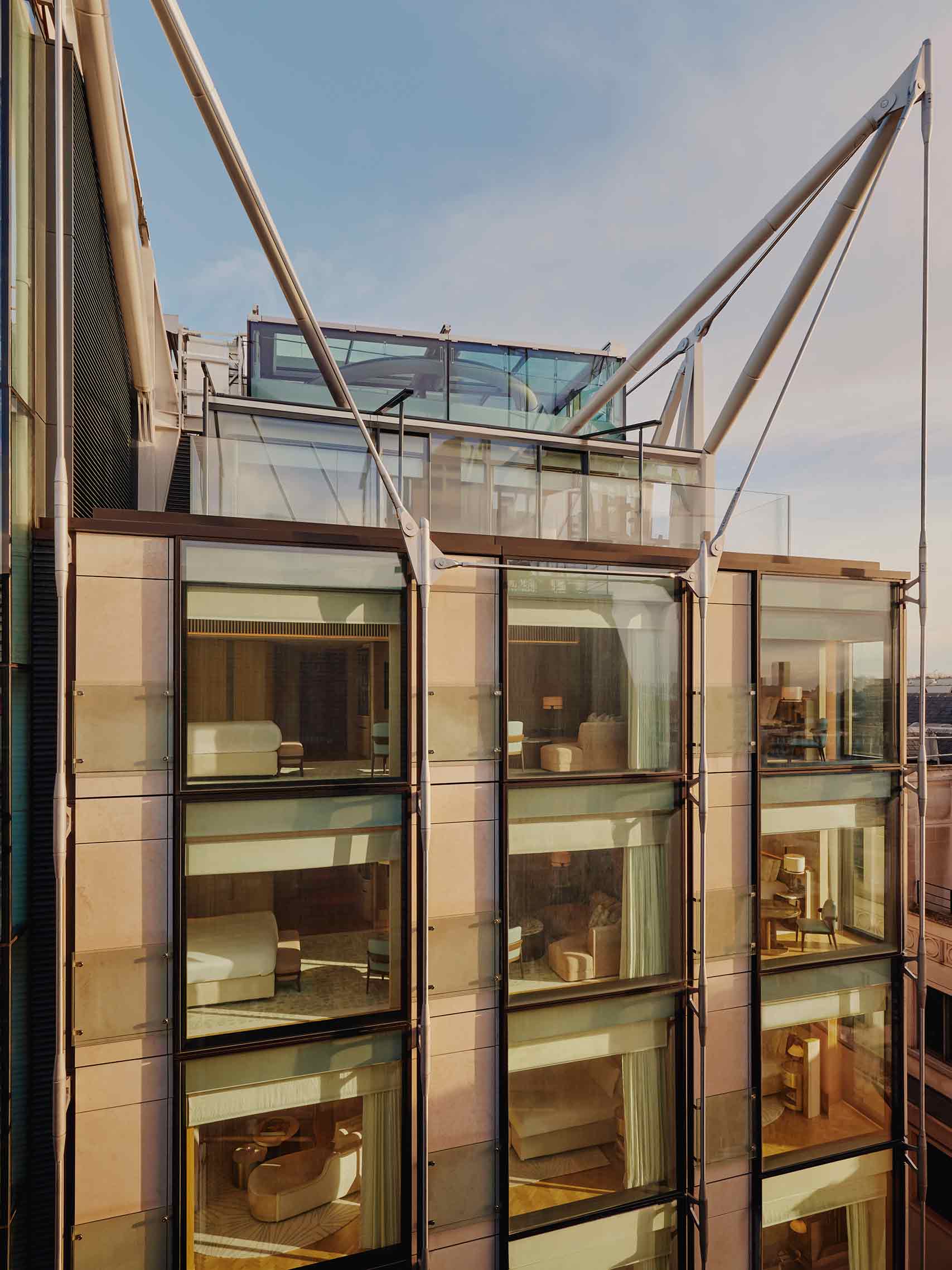
The Emory is part architectural magnum opus, part design anthology, and entirely unapologetic in its ambition. Architecturally, it stands as the late Richard Rogers’ final love letter to London – his own, private, Famous Last Words conversation with the city he so profoundly shaped. Rising in Belgravia like a steel-winged vessel poised to skim over Hyde Park, it announces itself with audacity. Entering through its discreet, “blink-and-you’ll-miss-it” cobbled forecourt – once the stables of the Grenadier Guards – the intent becomes unmistakably clear: The Emory is a hotel designed to make a statement, and that statement is quintessentially London. Every line, every surface, every meticulously considered detail proclaims that the city is both muse and canvas, and here, in this daring space, London is being painted in living colour, layer by layer, for those who know how to look.
And what a canvas it is, especially if you’re thinking in artistic terms. Brightly coloured tiles jostle for attention, a pink staircase salutes Richard Rogers, and an inside-outside tree seems to have wandered in from another dimension. There’s a cracked-earth wall, not to mention lashings of Damien Hirst’s vivacity: giant floral paintings, a pink humanoid insect, and a skinless man holding a pair of scissors. It’s audacious, it’s playful, and it somehow works – a riot of references that demanded we looked twice, laughed and then quietly admired the nerve.
And yet, just a lift ride upstairs, the energy shifts completely. We checked into our suite on one of those admittedly rare, clear London autumn afternoons, when Hyde Park’s verdance stretched endlessly from the window. Even the traffic on Knightsbridge seemed to pause, and the city itself felt to take a collective, contemplative breath. Our Corner Park Suite, conceived by André Fu, harmonised effortlessly with this passing stillness. East-meets-West serenity unfolded in soft, neutral minimalism, each line and curve carefully orchestrated to frame London’s green lung beyond.
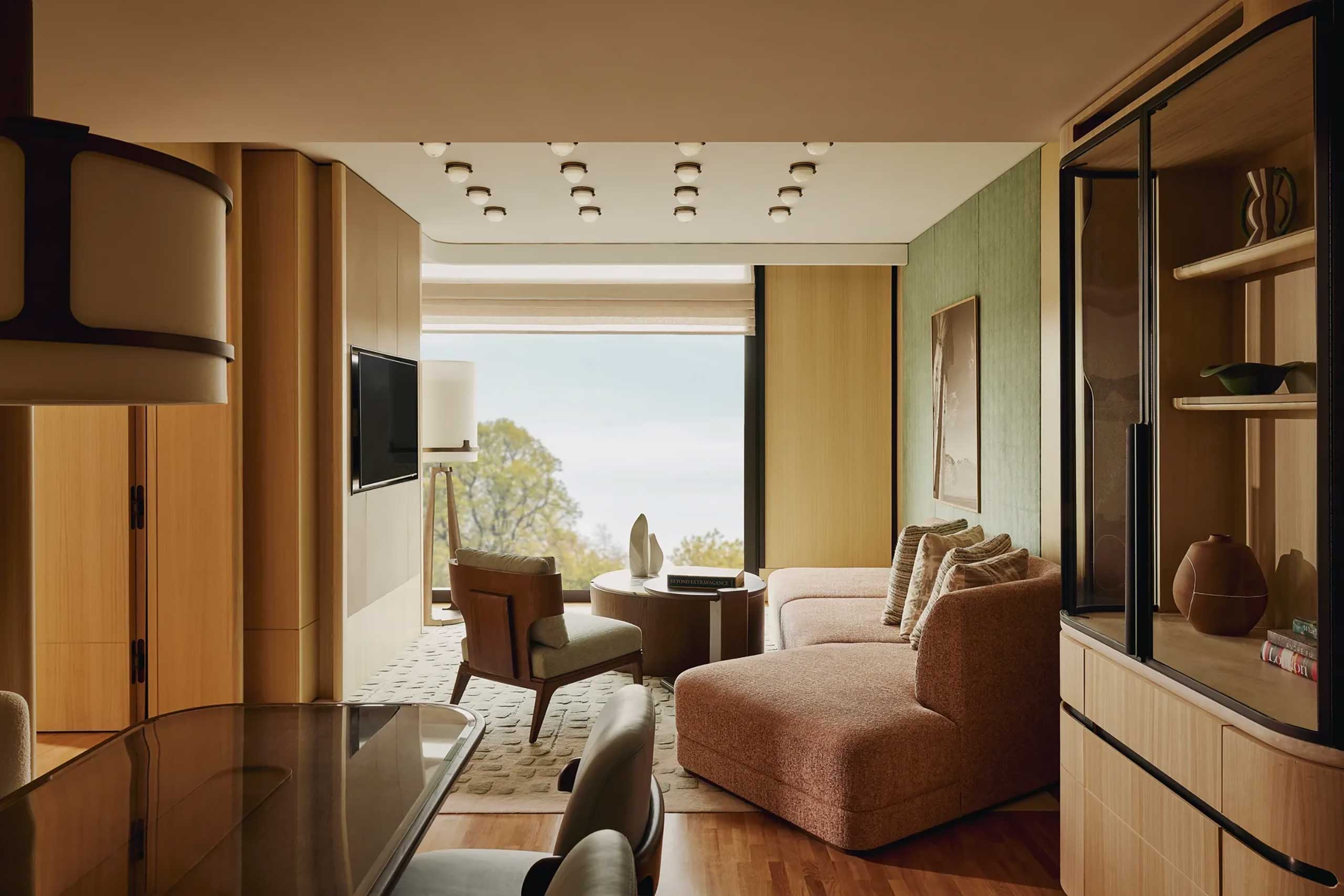
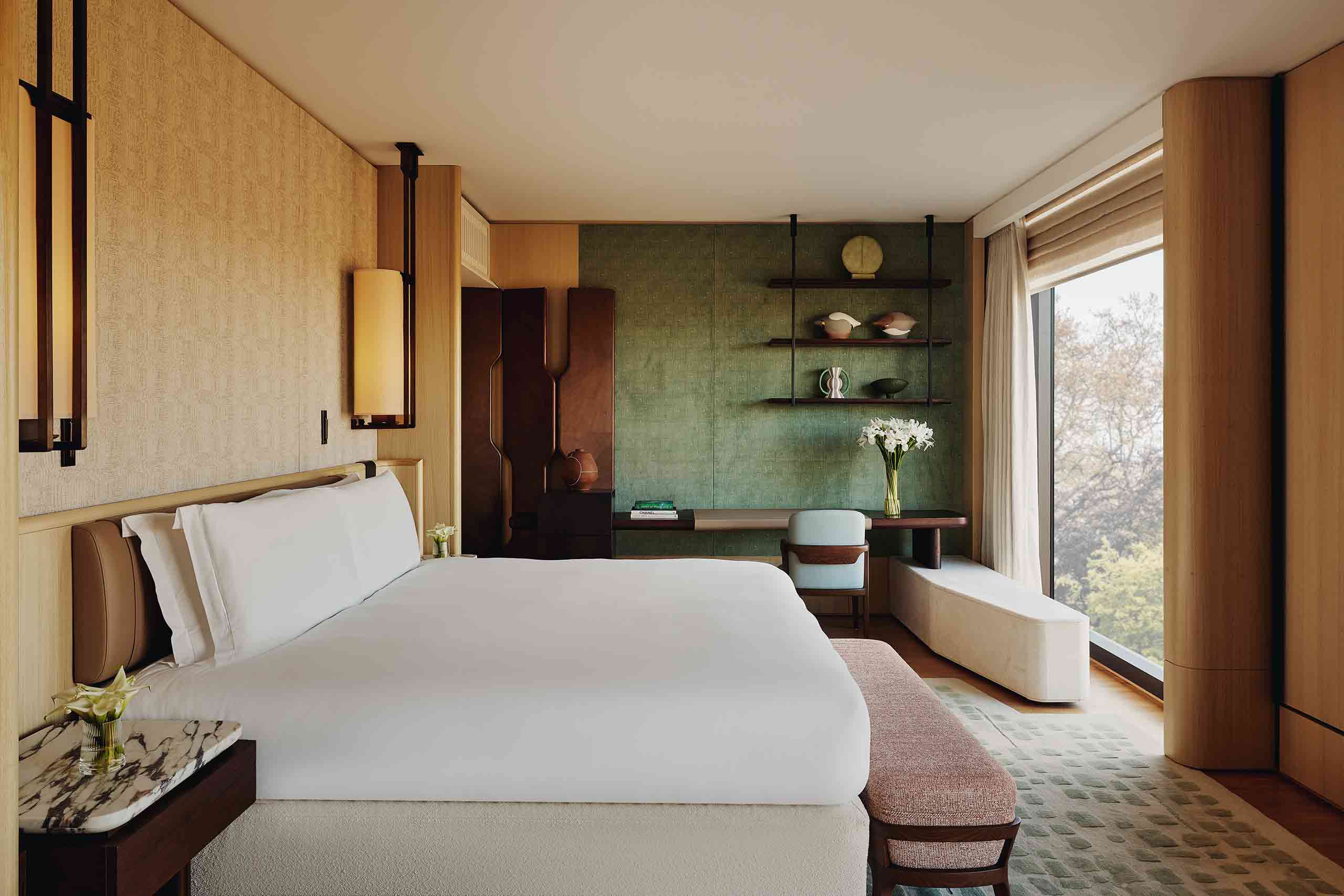
Admittedly, we are admirers (ok, unabashed fanboys) of André’s work, but his subtlety here was nothing short of genius. The suite enveloped us in calm even as the world outside resumed its usual chaotic, creative, cosmopolitan rhythm. Its tonal spectrum unfolded in shades as soft and measured as the autumn day outside: warm beiges, muted tans and woody browns. Textures were layered with an artist’s sensitivity – the matte grain of honeyed wood panels juxtaposed with the gentle sheen of stone floors, and sumptuous textiles that invited bare feet. The walls themselves seemed to breathe, softened by fabrics and sculptural joinery that blurred the line between structure and art. The furniture was low, grounded, impeccably proportioned; a chair by the window read as both a seat and an invitation – to pause, to gaze across Hyde Park’s endless green, to simply exist in stillness. The lighting was poetry: hidden strips cast gentle glows into corners, while sculptural lamps punctuated shadows like pauses in a quiet conversation.
If André Fu’s restrained minimalism isn’t quite your cup of tea, fear not. Other suites revel in Patricia Urquiola’s poetic Mediterranean Modernism, Alexandra Champalimaud’s layered cultural storytelling, and Pierre-Yves Rochon’s signature refined opulence. At The Emory, these diverse voices converge into a curated symphony of design that somehow just works. Every suite we viewed commanded our attention, every corner offered a small revelation. For texture enthusiasts, colour obsessives, or anyone who takes delight in discovering a handcrafted ceramic here or a patterned textile there, The Emory is an aesthetic playground, where design details reward the curious and the observant alike.
Our suite’s layout was generous, with a soft division between living and sleeping areas that allowed both privacy and fluid movement. There was no clutter, no bravura gesture – every element spoke of intuitive luxury: the floating bed draped in sumptuous linens, the white ‘ramen-bowl’ bathtub, an impressively stocked minibar (complimentary, naturally), the tactile pull of a drawer handle. Even small touches, like a Richard Rogers coffee table book, spoke to a reverence for the property’s story. Then there’s the curation of in-suite amenities. And make no mistake – this is uncompromising ‘high-capital-expenditure’ luxury. There is no scrimping here: house-brand toiletries from the hotel’s spa, Surrenne; Dyson hair tech; Toto intelligent toilets; personalised Smythson stationery; leather yoga mats; plush robes and slippers. The Emory has clearly decided that if it is going to do luxury, it will do it both generously and intelligently.
For those like us who relish the subtle charms of service, a 24/7 Emory Assistant (or butler) was at our disposal – whether to toast our arrival with an espresso martini, or to help us unpack with impeccable discretion. Their level of detail bordered on obsessive in the very best way. Even a brief absence from our suite was rewarded when we returned to find a sweet gift – a vanilla flower cake by acclaimed French pâtissier Cédric Grolet. While Londoners queue outside his patisserie just to taste it, those lucky enough to stay at The Emory enjoy it delivered directly to their suite as a personal welcome amenity. And because we were between sips of champagne, we found coasters placed atop our glasses, each stamped with the words “unmoved, not overlooked” – a knowing gesture that perfectly encapsulates the hotel’s meticulous care.
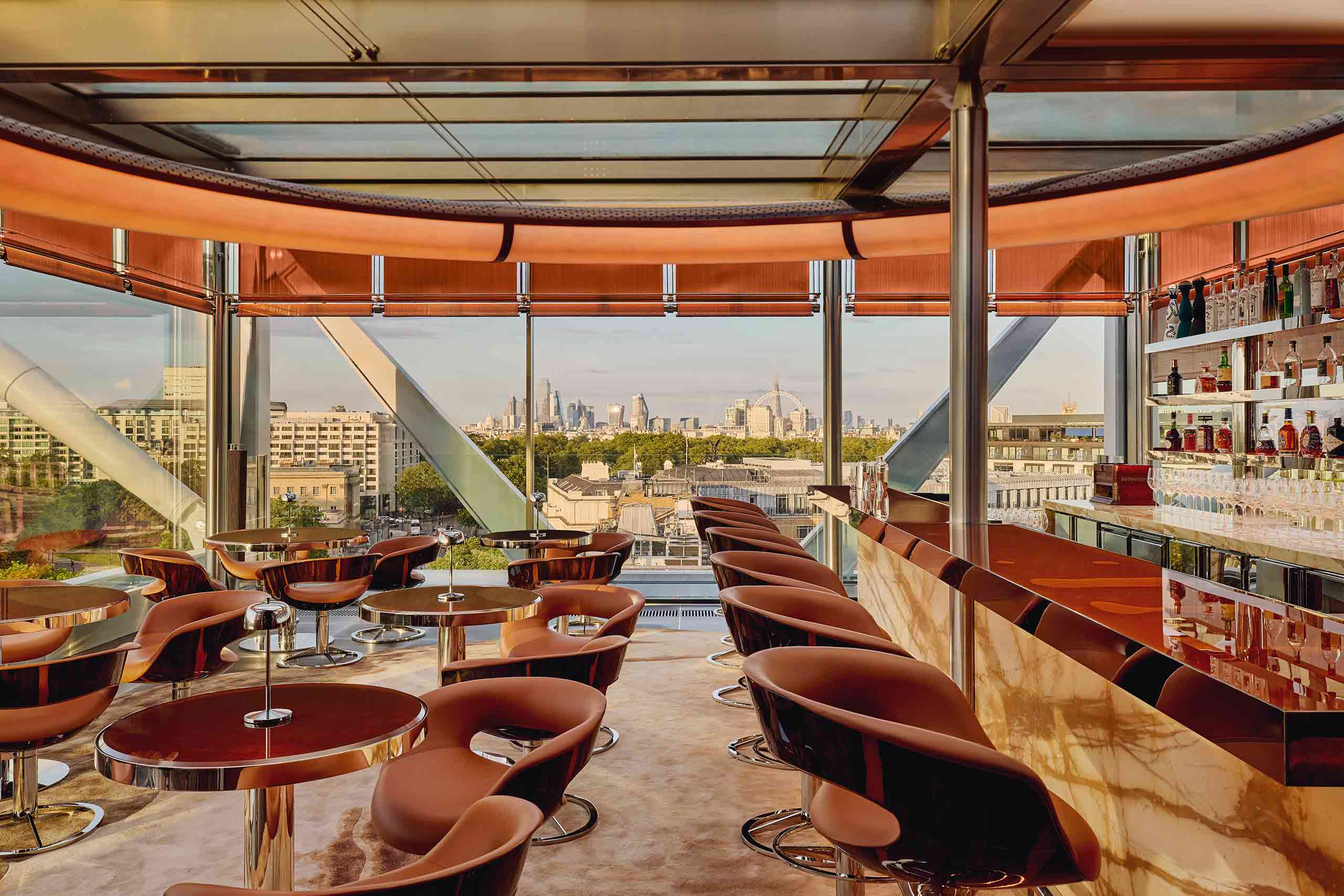
As dusk descended, The Emory rooftop bar, designed with the snug, intricate charm of a handcrafted cigar box, came alive. From here, the city stretched out of its West London sensibility toward the Shard and the London Eye, illuminated in that distinctly magical, slightly foggy way that makes London evenings so cinematic, set against striking interiors by Rémi Tessier. Cocktails are inventive, service is attentive without hovering, and we felt utterly spoilt.
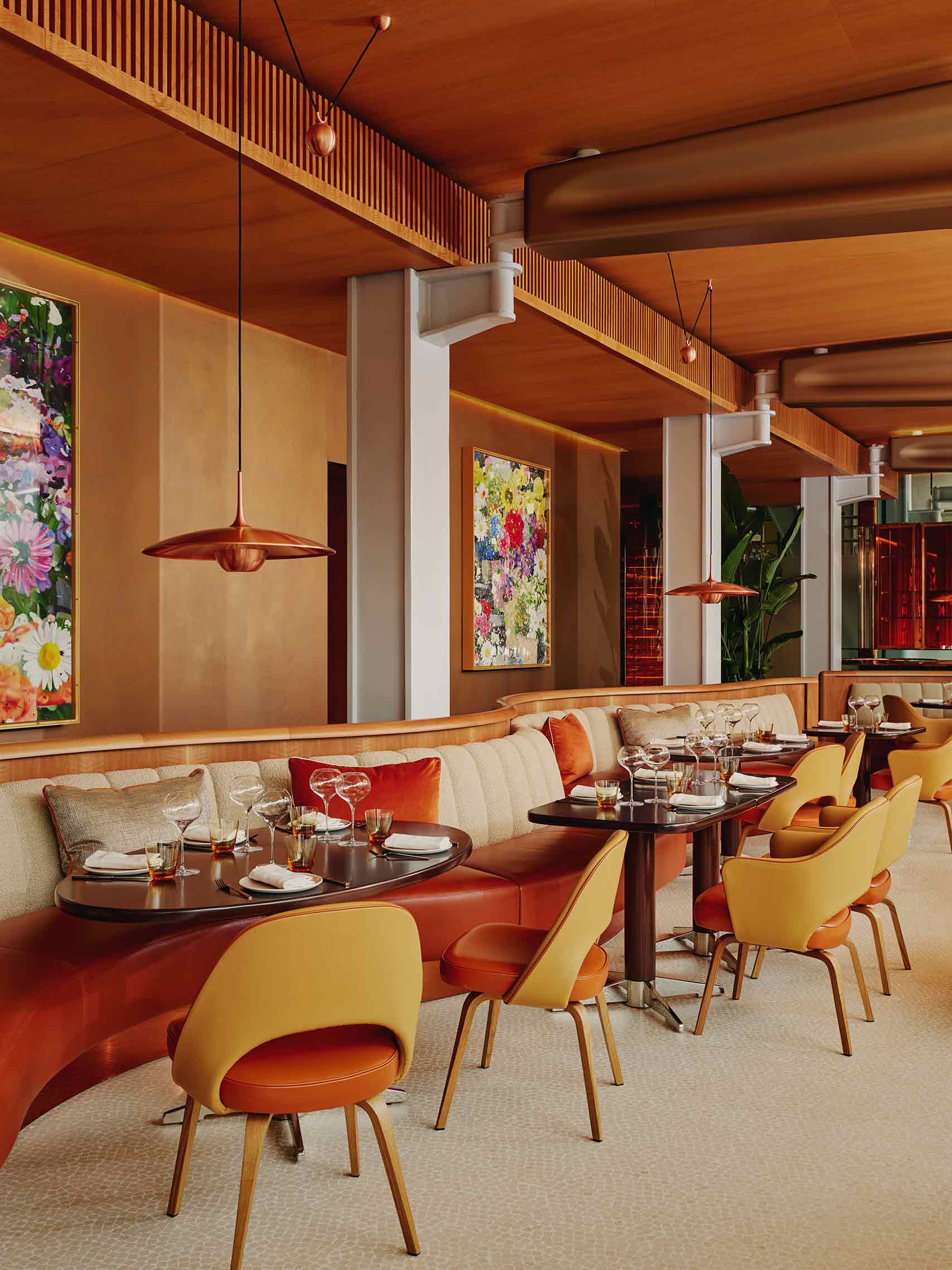
Back downstairs for dinner, we explored Jean-Georges Vongerichten’s abc kitchens import – combining three of his NYC-based concepts – where Latin-inspired, plant-forward cuisine met open-kitchen theatrics. From the moment we stepped in, the restaurant made a confident impression: eclectic decor, energetic staff and a menu that demonstrated both skill and imagination. Dishes and wine choices arrived with flourish and flawless execution, while the open kitchen offered a performative glimpse behind the curtain.
Yet – and this is an important yet – abc kitchens felt, at times, a little brand-conscious and lacking its distinct sense of place. It is polished, undeniably, but in a city experiencing a renaissance of intimate, in-the-know and underground dining, one can’t help but wonder whether transplanting a slice of New York was the optimal choice and an opportunity was missed to lean further into an authentically London-centric culinary edge. Of course, hotel restaurants must tread the fine line between star power and insider cool, and while Jean-Georges’ team is undeniably skilled, our experience leant more toward the former.
And of course, no contemporary OutThere hotel review would be complete without a bit of soul-searching. The Emory is part of the Maybourne family, a collection of well-heeled properties, each with its own distinct personality, especially in London. Here, one can sense the subtle identity questions that the London set – rightly or wrongly – has been murmuring since the hotel’s opening. Is The Emory carving out its own niche, or, like Hyacinth Bridgerton of the infamous Netflix series, is she the quieter, younger sister to the more confident Claridge’s or Connaught? And will she ever grow up and move out of the nursery bedroom she shares with her other sister, the Berkeley, just next door? It is assured in its design, its culinary collaborations, and its service, but the question lingers: Is The Emory forging its own story in London luxury, or will it remain the discreet sibling in the group’s portfolio?
For those who appreciate nuance, the answer is tantalising. We discovered many moments of pure originality, though there remains a trace of greenness throughout, a reminder that it is still learning how to stand alone. We should also note that, for now, it’s the smallest of the family – by half – at just 60 suites. Perhaps all this is part of its charm: confident enough to invite comparison, yet subtle enough to reveal itself fully only to those willing to spend time exploring, noticing and appreciating its individual quirks.
And perhaps it doesn’t, or shouldn’t matter – after all, the London luxury hotel landscape is crowded, and differentiation often hinges as much on subtle cultural cues as physical space. The Emory has plenty of room to grow, and we are confident it will find its resounding voice.
If we had to choose its defining quality, it would be its cultural ambition. Voices from across the globe resonate through its design, art, service and storytelling. Together, they create a space that is distinctly London yet unmistakably international – a reflection of the city itself, a metropolis where culture, creativity, commerce and diversity collide in a cacophonous symphony.
For us, The Emory understands this complexity. It is, in many ways, London distilled: a city of contrasts, harmonies and collisions that somehow, against all odds, work. Perhaps it is a hotel that only some will ever fully understand – like that private gallery, down in a centuries-old London church crypt, or a rare vinyl record whose sleeve you must squint at to fully appreciate.
Many will pass through, admire the design, graze its menus and leave politely impressed – or perhaps a little puzzled. But for those in the know, those willing to linger, observe and decode its many details, The Emory reveals itself as something quite special. The hotel is not for everyone, but for those who understand, it is quietly, perfectly London.
Photography courtesy of Maybourne

Perfect for
The Insider

Fly into
LHR / LGW / LCY

Right on time
GMT
While you’re OutThere
If you’re wondering why we didn’t delve into any detail about The Emory’s wellness wing and members’ club, Surrenne… the reason is simple: It deserves space to shine, separate from our deep dive into the hotel itself.
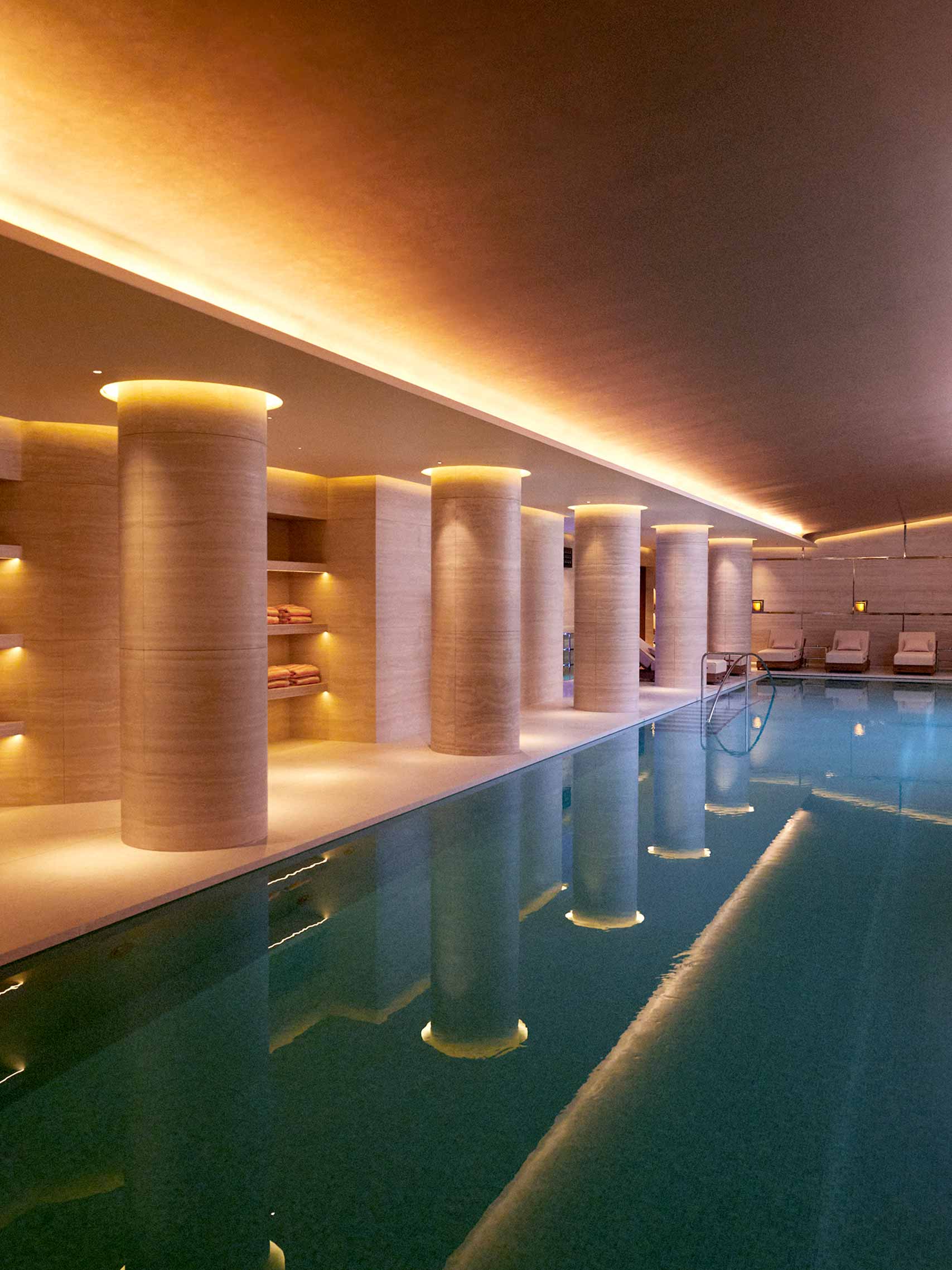
Spanning four floors of science-meets-spa luxury, it is a temple of wellbeing that feels both lavish and intelligently conceived. There is a 22-metre (72-feet) indoor pool, perfect for steady laps or reflective drifting, meditation pods designed for genuine, uninterrupted presence, and a comprehensive suite of fitness diagnostics to satisfy even the most ardent gym bunnies.
Bespoke programmes integrate movement, nutrition, recovery and longevity with meticulous precision, each element orchestrated to work in harmony rather than as isolated indulgences. In short, Surrenne is a seriously well-executed blueprint for holistic wellbeing. It’s exactly the sort of place that could’ve easily tipped into sterile clinicality, yet instead feels alive, considered and profoundly restorative.