

Every January, the luxury travel industry collectively clears its throat, channels its inner prophet and declares its trends. Not some trends, it’s always the trends. At risk of ruffling some industry feathers, we feel they’ve been especially predictable this year. Sure, a few new buzzwords appear, but the message remains familiar: keep travelling, keep consuming… and try not to think too hard about it! But if trends are meant to move us forward rather than rubber-stamp business as usual, we have to ask: are we truly engaging with what’s changing, or just comforting ourselves with the idea that nothing really needs to? These are the 2026 luxury travel trends we believe actually matter – poignant, provocative and pointing toward the future.
It seems to us that the true insight has been buried under noise. Somewhere between “slow travel” and — brace yourselves — “authentic experiences,” not to mention another list of “best places to travel to in 2026”, it is becoming clear that not all trends are equal, or even necessary. Moreover, they’re rather safe, or closely aligned with whatever is being sold: buy, buy, buy, preferably now, at scale, without questioning the world we’re buying our way through. Comforting, perhaps. Transformative, less so.
Some of the ideas are thoughtful, the language familiar, the intentions good. But when everyone says the same thing, we should ask whether we’re forecasting change or simply narrating the present in fancier terms. Trends, at their best, should guide us — they shouldn’t just validate existing behaviour. Especially now, in a more volatile world order, trends should help us navigate change, not smooth it over. The real question isn’t what’s trending, but whether we’re doing better; and looking in the right place!
At OutThere, we look for signals elsewhere. Not in press releases, but in conversations: with readers, communities, partners and travellers navigating the world with intention rather than inertia. Our 2026 luxury travel trends don’t chase noise; they surface need. We focus on the deeper forces shaping how and why people travel, not just where and when.
Having spent years front-facing the industry — on the ground, in the air, in the rooms where decisions are made — we’ve learned to trust what the industry says when the microphones are off. For us, trends are derived not from forecasting or peacocking, but from listening — and in times like these, that may be the most important skill of all.
From ethical consumption to prioritising thoughtfulness over ubiquity, from exploring new frontiers to building community, the 2026 luxury travel trends that truly move the market aren’t the ones that are declared; they’re felt.
These are some of our ideas on what we feel will truly define luxury travel in 2026. The ones with no hard sell, the ones you really need to hear about – not presented with a marketing pitch, but observed from real experiences, true concerns, conversations with travellers and the shifts we’re seeing on the ground.
1. Values-driven travel
The biggest shift we’re seeing is a move away from acquisitive tourism and toward purpose-driven experiences — and this actually underpins all our 2026 luxury travel trends.
Yes, we know “less stuff, more experiences” is a familiar refrain, but its persistence isn’t a lack of imagination; it’s a sign of unfinished business. Purpose-driven travel is something we’re still learning to practise properly.
This trend reflects a deeper recalibration of values: how people spend their time and money, where they place their trust, and what they expect travel to give back. Today’s luxury traveller isn’t asking for more, they’re asking for better – better impact, better alignment with their values and smarter use of their time, money and emotional bandwidth – in a world that feels less predictable than before.
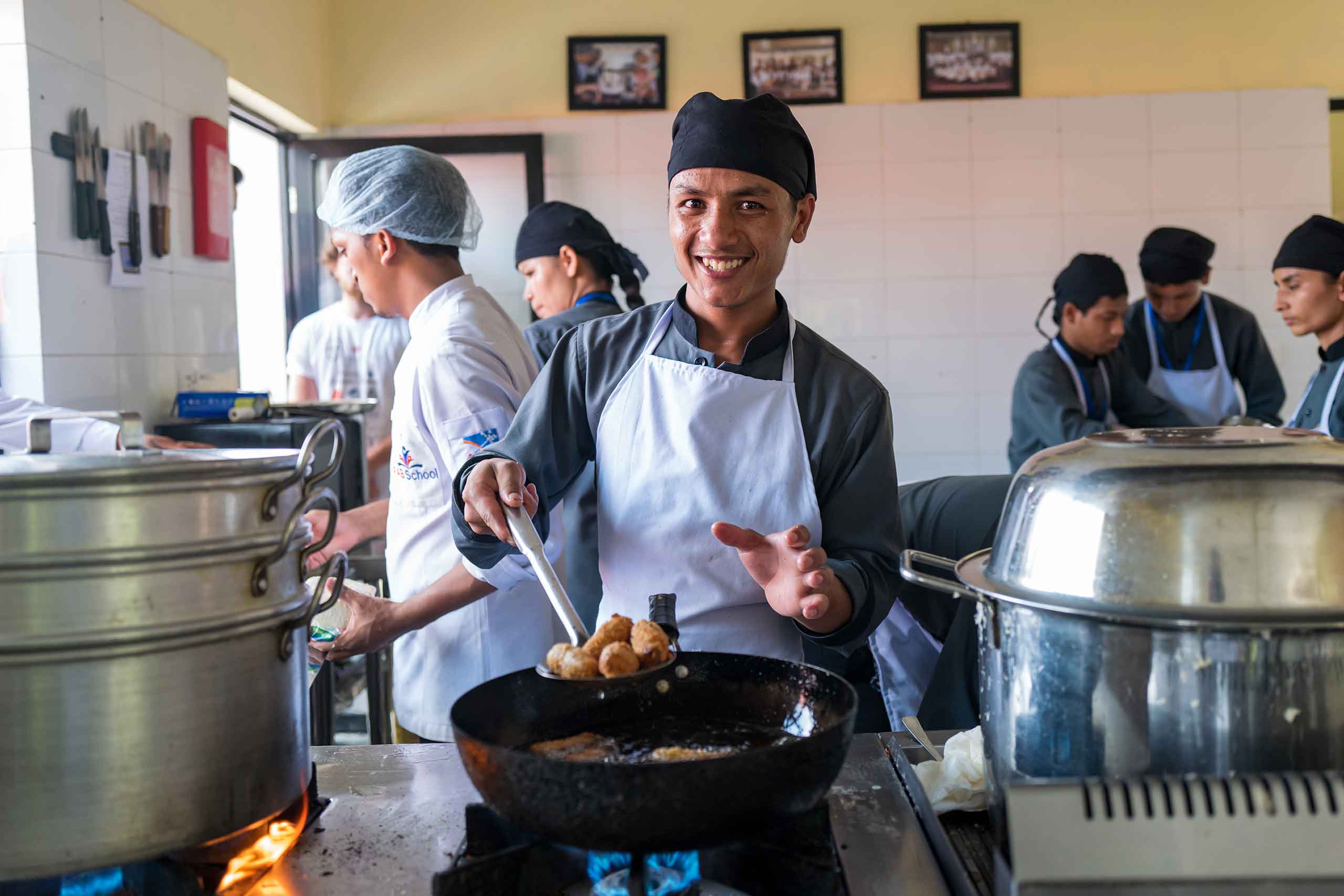
And people are flocking to some of the most inspiring examples. NIHI Sumba and The Pavilions, Himalayas, winners at last year’s Experientialist Awards in Community, Conservation, and Sustainability. They’re fabulous luxury products, but they also run hospitality schools that transform the lives of marginalised youth, particularly young women, equipping them with the skills to work in tourism.
Properties prioritising indigenous communities are also standing out. Clayoquot Wilderness Lodge in Canada works with the Nuu chah nulth First Nations, while Tierra Atacama partners with the Lickanantay people to embed local heritage and sustainable practices into guest experiences.
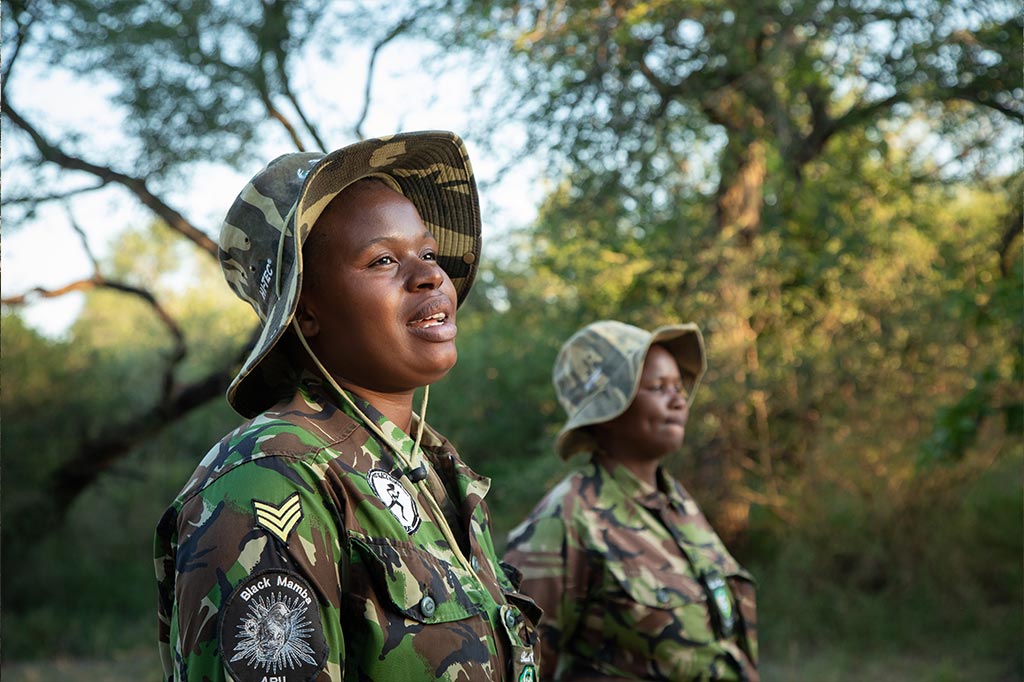
Tour operators are stepping up too: Intrepid supports Kenya’s all-female anti-poaching unit, the Black Mambas, while Steppes Travel’s Fund for Female Guides removes structural barriers, opening the guiding profession to women from indigenous and underrepresented communities across the world. Some are redefining experiential impact on a broader scale. Carrier’s Running Wild collection transforms wildlife encounters into active conservation participation, while Jacada embeds measurable social and environmental action into bespoke journeys, aligned with the UN’s Sustainable Development Goals.
We’ve also been impressed by the scale and sincerity of sustainability initiatives at properties like The Brando in French Polynesia and The Datai Langkawi in Malaysia. Both go far beyond the oft-repeated “eco-friendly” label, delivering tangible environmental and community outcomes that set a benchmark for meaningful, measurable impact.
2. The politics of travel
Travel has never been apolitical, but today it is impossible to ignore how directly global politics shape the way people will move through the world. Borders are more tightly controlled, rhetoric more polarised, alliances more fragile. From relentless volatility in the United States to very recent instability in parts of Latin America that has already disrupted airspace across the Caribbean, from the persistent war between Russia and Ukraine to the unresolved tensions of the Middle East, the geopolitical backdrop to travel feels unsettled – and travellers are acutely aware of it.
This is not translating into retreat. People are not cancelling curiosity. But they are recalibrating with a discernible shift from instinctive movement to considered decision-making. Travellers are asking harder questions: how will I be received here? What does my presence signal? What does my money support – and who does it benefit?
Nationality, once a largely administrative detail, now carries emotional and social weight. American travellers, in particular, are increasingly conscious of perception abroad, while others are navigating the optics of travel in politically sensitive destinations. Ethics and personal safety are no longer abstract concerns; they are part of the booking conversation.
As a result, destinations perceived as culturally open, politically stable and socially predictable are currently indexing higher. Western and Southern Europe, East and Southeast Asia, Canada and much of Oceania are benefiting (for now) – not only from longstanding appeal, but from a sense of reassurance in a volatile world.
For the industry, this moment demands more than operational competence. Emotional intelligence will matter as much as efficiency. Marketing that fixates on features alone – number of pools, square footage, status – will not resonate as powerfully as campaigns that showcase benefits. Layer on top of that clarity, reassurance and honesty: why this journey matters now, how it fits into your state of mind, and how it can be undertaken responsibly.
Within this landscape, the role of the travel advisor and tour operator becomes indispensable. Their value lies not just in logistics, but in judgment. They are interpreters of risk and context, helping travellers distinguish between perceived danger and lived reality. They navigate shifting entry requirements, regional sensitivities and cultural nuance, offering grounded guidance where algorithms cannot. The strongest advisors are not steering clients away from complexity; they are equipping them to move through it well. They build itineraries around trusted local partners, ethical operators and experiences that foster exchange rather than distance. They brief travellers carefully – without alarmism, without naivety – so confidence replaces anxiety and curiosity replaces hesitation.
In a world that feels increasingly fragmented, the future of luxury travel is not about pretending none of this exists. It’s about navigating it intelligently.
3. Size doesn’t matter; it’s what you do with it
These days, all we hear in travel is one word on repeat: growth.
And the 2026 luxury travel trends we’ve seen coming from travel brands so far only confirm it. It’s as if expansion alone defines success. Big brands, sprawling pipelines and new luxury hotels are popping up before existing properties have even found their feet. Mega projects, particularly in Saudi Arabia and other emerging hubs, dominate headlines, often at the expense of thoughtful, place-rooted hospitality. Meanwhile, cruise ships, yachts and even space travel providers multiply — an arms race of commodity over quality that feels increasingly out of step in an era claiming sustainability. Beyond environmental impact, this relentless expansion erodes credibility and sidelines the communities and ecosystems under its shadow.
Sustainable growth isn’t about scale — it’s about depth and intention. Luxury should prioritise stewardship, meaningful community engagement, and long-term resilience over headline-grabbing expansion.
Luxury travel innovator and PR, Julia Perowne of Perowne International, cut straight to the point at International Luxury Travel Market (ILTM) last month, noting that the obsession with ultra-high-net-worth travellers has led to hotels that all look the same – beige, predictable, soulless – and a sector out of touch with the diversity of its audience. Jules championed a different approach: reinvest in existing properties, pour care into communities and evolve what you already have rather than chasing new builds.
Genuine admiration goes to those who do this for both people and place. There is so much power in reimagining what exists: renovations can breathe new life into older favourites more effectively than building from scratch. Hotel Cipriani Venice, a Belmond hotel, exemplifies this, honouring its storied past while introducing contemporary touches, refreshed suites and enhanced gardens in a phased reimagination over the next few years. Its new Dior Spa may divide opinion by lacking a sense of place, but at the very least, it signals a willingness to innovate within heritage.
Just as crucial as sustainability is innovation. Luxury travel often relies on familiar concepts transplanted to new destinations, expecting repeat interest without reinvention. True innovation is about rethinking service, experiences and storytelling. When brands invest creatively – through immersive cultural programming, reimagined culinary journeys, or personalised guest engagement – travellers return not out of habit, but with curiosity and excitement. Eden Rock St Barths, over 70 years old, continues to lead by refining its concept; each visit offering something new. Similarly, Fogo Island Inn in Newfoundland evolves through seasonal artist residencies, local collaborations and sustainability programmes, blending architecture, craft, and culture to remain relevant and beloved.
Heritage-led and adaptive reuse projects further illustrate this principle. Six Senses London transforms a historic department store into a design-led hotel with contemporary comfort and wellness programming. Their new Six Senses Place concept reimagines hospitality as a wellness-based members’ club, offering continually evolving cultural and wellness programming that keeps the space fresh and deeply connected to guests and the community. On a boutique scale, URBN Hotel Shanghai, converted from a 1970s post office using reclaimed and locally sourced materials, leads China’s urban hospitality scene in carbon-neutral adaptive reuse and cultural innovation.

4. Bridging the generosity gap
Somehow, we have got to a place where there’s a problem with generosity in luxury travel. Just like corporate shrinkflation quietly eats away at what we used to get for our money, we’re rapidly seeing more and more experiences and resorts adopting the same sad ethos: “Why give more when we can charge for it?” It’s audacious – even absurd – considering the price tags that luxury travel now commands. And naturally, we had to get at least one industry gripe into our 2026 luxury travel trends.
Guests are noticing. That “hour-long” massage? Now 45 minutes. Laundry, minibar, high-speed internet – even sneaking in your own bottle of water into your fridge can incur a charge. Half bottles of champagne replace full ones for amenities. Used toiletries are sometimes left unreplaced, and turn-down service went extinct with Covid. Generic coffee capsules clog up the Nespresso machine. Add in room-service fees, resort charges, single supplements, breakfast add-ons, extra bed costs for kids, or paying for the privilege of stepping into the spa to use the steam room. When did generosity become optional in a space built entirely on indulgence?
The funny thing is, generosity often costs almost nothing. Guests notice, they talk about it, and they return. In a world where everything else is monetised, generosity is a superpower that builds loyalty and goodwill.
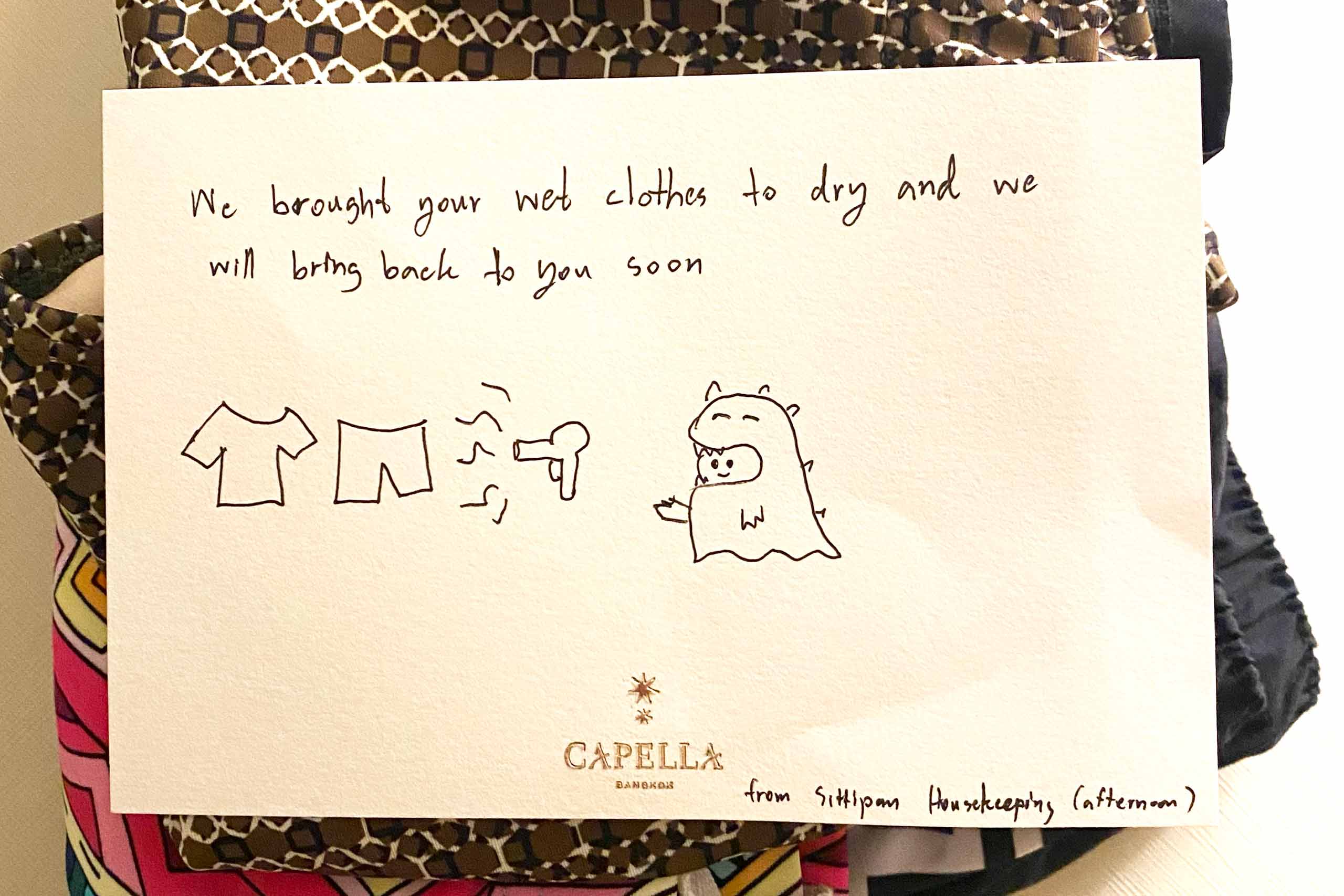
Rosewood Hotels & Resorts and Capella Hotels and Resorts excel at anticipatory generosity. At Rosewood Mayakoba, guests discover personalised surprises – a book by a favourite author, a vinyl record sourced locally, or a small gift each evening. Complimentary bicycles, kayaks and lagoon tours encourage exploration. At Capella Bangkok, wet swimwear is whisked away and spun dry and sunglasses are cleaned. A small edible treat is delivered courtesy of the housekeeper and not the pastry chef.
Generosity can also be cultural. At The Fife Arms in Scotland, guests access guided art tours, storytelling evenings, live music and conversations with local historians and artists – all included. Similarly, Relais & Châteaux sommeliers offer exploratory tastings on the house. Even the littlest of things matter: at Park Hyatt New York, they notice when your toothpaste is nearly empty and replace it with a fresh tube of your preferred brand.
Because here’s the truth: most luxury travellers don’t remember the bill, but they remember how they felt in residence.
5. Mindful feeding
Let’s talk about food. Or more precisely, too much of it. The era of the eight-course, all-night tasting menu may quietly be dying – and honestly, we’re not mad about it. In the Ozempic and Mounjaro generation – yes, many luxury guests are self-jabbing, believe it or not – four hours in a dining room isn’t indulgence, it’s endurance. And when you’ve booked a suite with an ocean view or a terrace you barely want to leave, spending half the night in the restaurant only to return uncomfortably full is hardly the pinnacle of luxury (and it does nothing for romance either!). Time is the new currency. Sitting for hours just to tick a gastronomic box feels so last decade.
Then there are the decadent pool and beachside menus. Who decided the ultimate luxury is waddling back to your suite in your Olebar Browns, bloated from nachos, a burger the size of a small child, and a 24-ounce frozen cocktail?
We will confess: we adore an indulgent hotel breakfast. But while fifty buffet stations, stacks of pastries glistening under the morning lights, fresh-squeezed juices in every shade of the rainbow and coffee capable of powering a small army may be an Instagrammable spectacle, the waste is brutal.
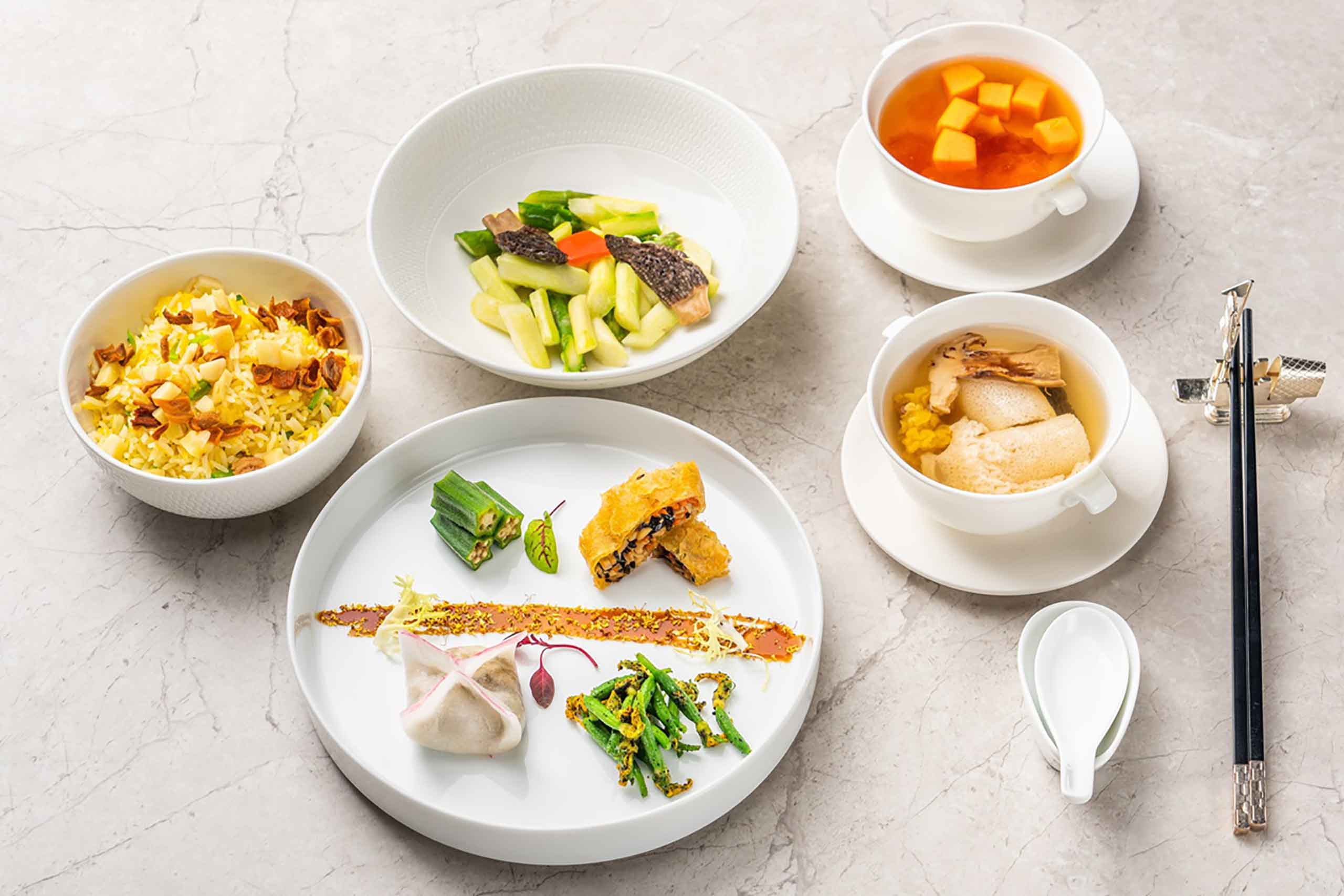
Thankfully, chefs are catching on. Mindful feeding is emerging as the antidote to culinary excess. It’s not just smaller portions — though yes, that helps — it’s smarter, healthier and more imaginative. Menus now balance indulgence with nutrition, sustainability and storytelling. Plant-forward dishes excite both the palate and Instagram. Tasting experiences educate as much as they satisfy. Vegan, flexitarian, low-FODMAP, high-protein, ethically sourced. But also diet optimisation, keto, an understanding of intermittent fasting and nutrient timings, not to mention bringing in supplements, nootropics or adaptogens as well.
Examples abound. The Peninsula Hotels, under Group Executive Chef Florian Trento, is relaunching their ‘Naturally Peninsula’ platform with plant-based, locally sourced, nutrient-rich dishes that support both guest health and local communities. De L’Europe Amsterdam’s Restaurant Flore champions botanical, hyper-seasonal cuisine with minimal waste. Four Seasons Resort Bora Bora offers wellness-focused ‘beach holiday’ menus with quinoa salads, grilled local fish, and chia puddings – not revolutionary, per se, except it now comes paired with nutrition coaching or interactive cooking sessions. Es Saadi Marrakech Resort integrates a SLOW (Sustainable, Local, Organic, Wellness) food programme featuring low-calorie, gluten-free, herb-rich, flavour-enhanced dishes grown on its organic farm.
This mindful approach isn’t limited to land. The Ritz-Carlton Yacht Collection‘s Luminara, with chefs Michael Mina and Fabio Trabocchi at the helm, brings world-class, healthy, culturally rich cuisine to sea, moving far beyond the standard cruise buffet.
And starting from the very foundations, even Le Cordon Bleu, one of the world’s most prestigious culinary and hospitality education institutions, has announced vegan cooking diplomas for cuisine and pâtisserie to inspire the next generation of chefs.
Even cocktails are joining the trend. At Bar Trigona, Four Seasons Kuala Lumpur, mixologists craft balanced, mindful drinks using fresh, locally sourced ingredients that support local biodiversity.
6. Wellness v26
Wellness in luxury hospitality has been quietly but decisively resetting in recent years, starting with a rethink of what wellness really means. Post-pandemic, it was all about the mind. Today, the shift is driven by travellers from the world’s most tech-savvy ecosystems – people with the means to push boundaries and a worldview that’s less spiritual and more evidence-driven.
Biohacking, once the domain of wannabe immortals and sports obsessives, has become a common term in luxury wellbeing and finds its spot in our 2026 luxury travel trends. It reflects a fundamental change in what guests expect – personalised, measurable results: longevity, recovery and performance support that actually makes a difference. And they expect the hotels they visit to know exactly how to deliver it.
Several forces are driving this evolution. The broader wellness movement has outgrown fluffy spa rituals – people want results. Health-savvy travellers are seeking interventions that actually work: improve sleep, reduce inflammation, accelerate recovery from jet lag or training and support long-term vitality. Meanwhile, technology has finally caught up to imagination, with red light therapy, cryotherapy, infrared saunas and personalised diagnostics no longer being fringe, futuristic ideas. They’re accessible, intentional treatments.
Treatments once limited to elite clinics are now standard spa offerings. Cryotherapy and infrared saunas reduce inflammation and stress. IV drips deliver vitamins and antioxidants for jet lag recovery and immunity support. PEMF mats and oxygen chambers are becoming staples in recovery lounges, resetting the body between treatments. It’s ambitious, science-forward and undeniably cool.
At the Fairmont Century Plaza Los Angeles at Beverly Hills – in partnership with biohacking expert Dr. Oz Garcia – guests move through a curated sequence of cutting-edge treatments: NuCalm, a neuroacoustic system that soothes the central nervous system; Normatec compression boots to boost circulation and ease muscle inflammation; LED face visors, using red, blue, and amber light to stimulate collagen and cellular renewal; and the Oakworks Curva Lounger, an anti-gravity chair engineered to induce a meditative state.
Some luxury properties are getting creative, blending high-tech biohacking with traditional spa therapies – because even in a world of LED cellular repair, human touch is still important. Technology can only go so far to replicate the intuition, connection and restorative magic of a skilled therapist. So, the real genius of modern wellness is balance, where guests benefit from cutting-edge science and the simple, irreplaceable power of human hands.
Some properties are already leading the way. Six Senses Vana in India combines Ayurveda and Tibetan healing with biohacking tech, circadian lighting, sleep-engineering suites and gut-friendly menus, alongside yoga and meditation, allowing guests to rewire their biology while they relax.
REVĪVŌ Wellness Resort in Bali pioneers biohacking and age-reversal retreats. Its signature programme, Hack Your Hormones, pairs strength and longevity coaching, breathwork, meditation and personalised nutrition with traditional spa therapies.

7. Human touch
Even in a world dominated by AI, apps, and high-tech conveniences, one truth endures: human connection is still the ultimate luxury. Efficient service can be pleasant – but it’s the knowledge, attentiveness and care of real people that transforms any trip.
Technology can streamline bookings, anticipate your preferences and personalise recommendations. But at present, it cannot feel, sense, or truly care. The experiences that linger in memory are like those of The Small Batch Wine Tours in South Australia’s Barossa Valley, or similarly, The Wine Fairy in the Cape Winelands, who intuitively discover your personal wine tastes and are able to switch vineyard visits at the drop of a hat. Or it’s Aman Kyoto’s general manager, Atsushi Shibata, whose three decades of experience in Japanese hospitality mean their access is truly unparalleled, unlocking secret moments or bespoke experiences that others aren’t able to for love nor money.
Going back to the first of our 2026 luxury travel trends: values-driven, meaningful travel, today’s travellers crave journeys that leave them feeling seen, understood, and inspired – a level of connection that’s still hard to achieve even with the help of AI. Other operators like Scott Dunn Private and Black Tomato design itineraries that shift on the fly to match a guest’s curiosity; lifestyle concierges such as Quintessentially open doors to private events, secret tastings and one-of-a-kind experiences that aren’t advertised anywhere; and accommodation brands like onefinestay turn a stay into something truly local by highlighting the personalities of the hosts and owners, bringing the soul of a place to life beyond its walls.
Smart apps and digital tools are brilliant for planning – but the gestures, insights, and thoughtful care that create emotional resonance come from people. As we explored in our recent feature on the power of human touch in luxury travel, it is these human-led moments – carefully observed, creatively executed and intuitively timed – that define the journeys travellers remember forever.
8. Travel tribes
Taking the idea of human touch a step further, purposeful group experiences are on the up. Connecting with others who share your passions, values, or identity and discovering that the journey itself becomes richer when you have the right company. For OutThere travellers in particular, this also offers something uniquely powerful: the chance to explore the world while feeling safe, seen and celebrated.
There’s a certain magic in numbers. Travelling with a group – whether it’s a women’s collective that sparks genuine sisterhood like Club Avandra or the Muslim Women’s Travel Group; or an LGBTQ+ expedition like Zoom Vacations or Source Journeys, or communities for travellers with disabilities such as Enable Holidays, Limitless Travel, or Wheel the World – creates visibility, solidarity, and shared purpose that you just don’t get on your own. There’s comfort in knowing someone “gets it”, but there’s also freedom: more daring choices, bolder adventures and moments of insight that simply don’t happen solo.
Group travel goes beyond companionship. It fosters activism and social consciousness. Travelling together amplifies the impact of responsible tourism – volunteering in a local community, supporting minority-owned businesses, or engaging with conservation projects. When you journey as a group, advocacy becomes collective, visibility becomes a statement and cultural exchange gains real depth.
And then there’s the joy, plain and simple. Shared meals that spark laughter, unexpected adventures that thrill together, quiet sunsets that invite reflection with someone who understands you. Group travel creates bonds that outlast the itinerary. Sisterhood, camaraderie and fellowship – whatever you want to call it – emerge naturally when people move together through new landscapes, pushing each other beyond comfort zones, celebrating triumphs and even gently challenging routines left behind at home.
9. Same, same but different
After decades of relentless growth (and the ‘revenge travel’ of the post-pandemic years), overtourism has become an unavoidable reality. From Barcelona’s ravaged Ramblas to Tokyo’s swamped Shibuya, the world’s most famous sites now feel besieged. Travellers find themselves not just competing with other tourists, but navigating cities where local protestors are actively trying to reclaim their streets from the tide of visitors. The spectacle of excess has become almost absurd: a tone-deaf ultra-billionaire wedding in a historic European town can make it painfully clear that the industry, and perhaps the world, is out of touch with the very cultures and communities it seeks to celebrate.
For luxury travellers, overtourism presents a host of challenges. Crowds dilute the sense of exclusivity; queues and congestion rob landmarks of their magic; restaurants and boutique hotels may feel like stage sets rather than authentic encounters. Beyond frustration, overtourism carries ethical implications: it strains local infrastructure, drives up costs for residents and can erode the very authenticity that makes these destinations desirable in the first place.
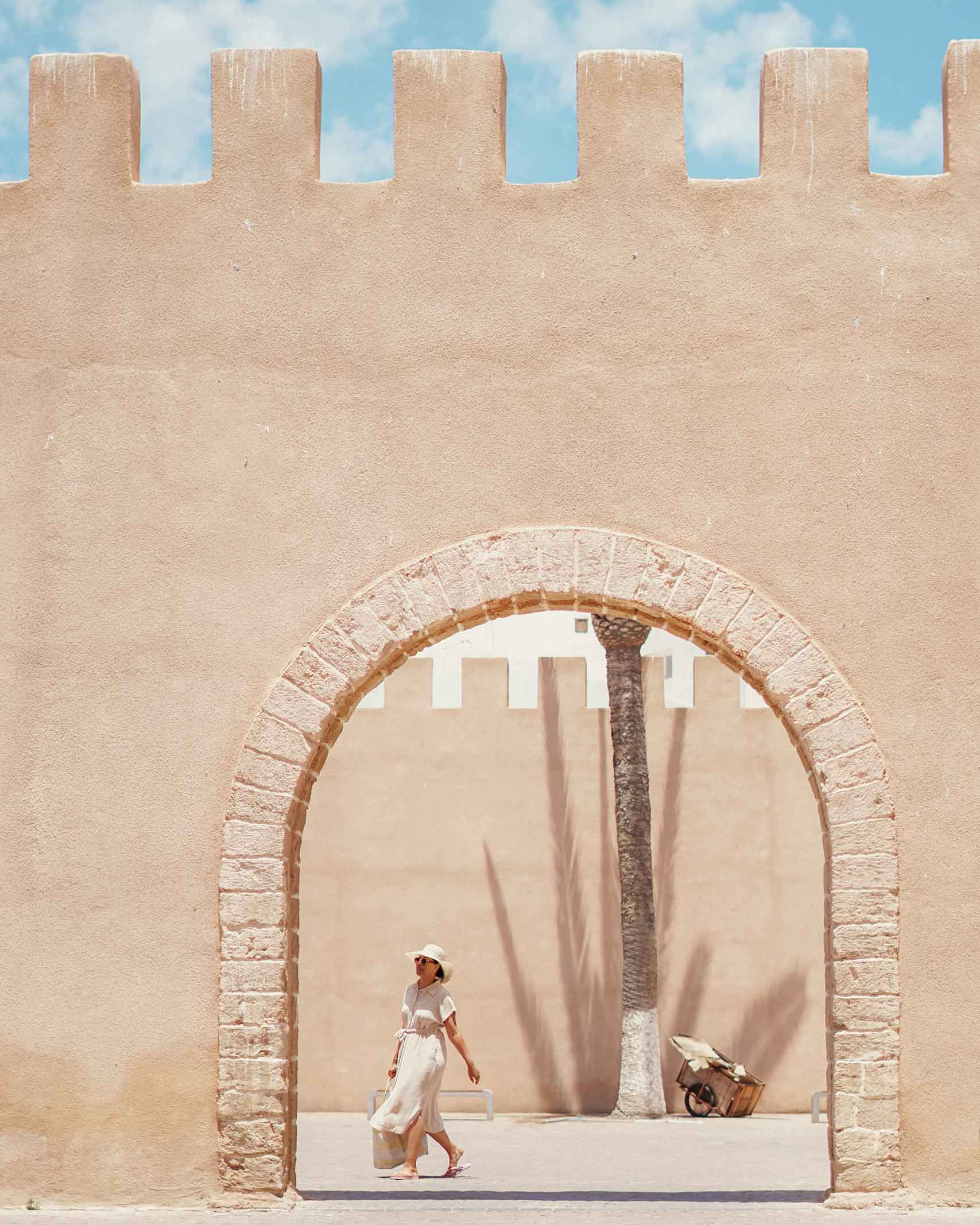
Enter the era of ‘secret twin destinations’. Instead of chasing the world’s obvious icons, luxury travellers are moving towards previously overlooked places that mirror the beauty, history, and cultural richness of the famous hotspots – but without the crowds. In Italy, consider Treviso instead of Venice, where canals, cobbled streets and Gothic palaces feel intimately yours; or Lucca, a Renaissance gem with intact city walls and piazzas, offering the same Florentine charm minus the hordes. Kanazawa in Japan is a far quieter, exquisitely preserved alternative to Kyoto, with its tea houses, gardens and samurai districts. Guanajuato in Mexico, a vibrant town of colourful streets and plazas, rivals Mexico City’s drama but is infinitely more relaxed; or Essaouira and Tangier in Morocco, both coastal cities that mirror Marrakech’s magic.
10. The next frontier
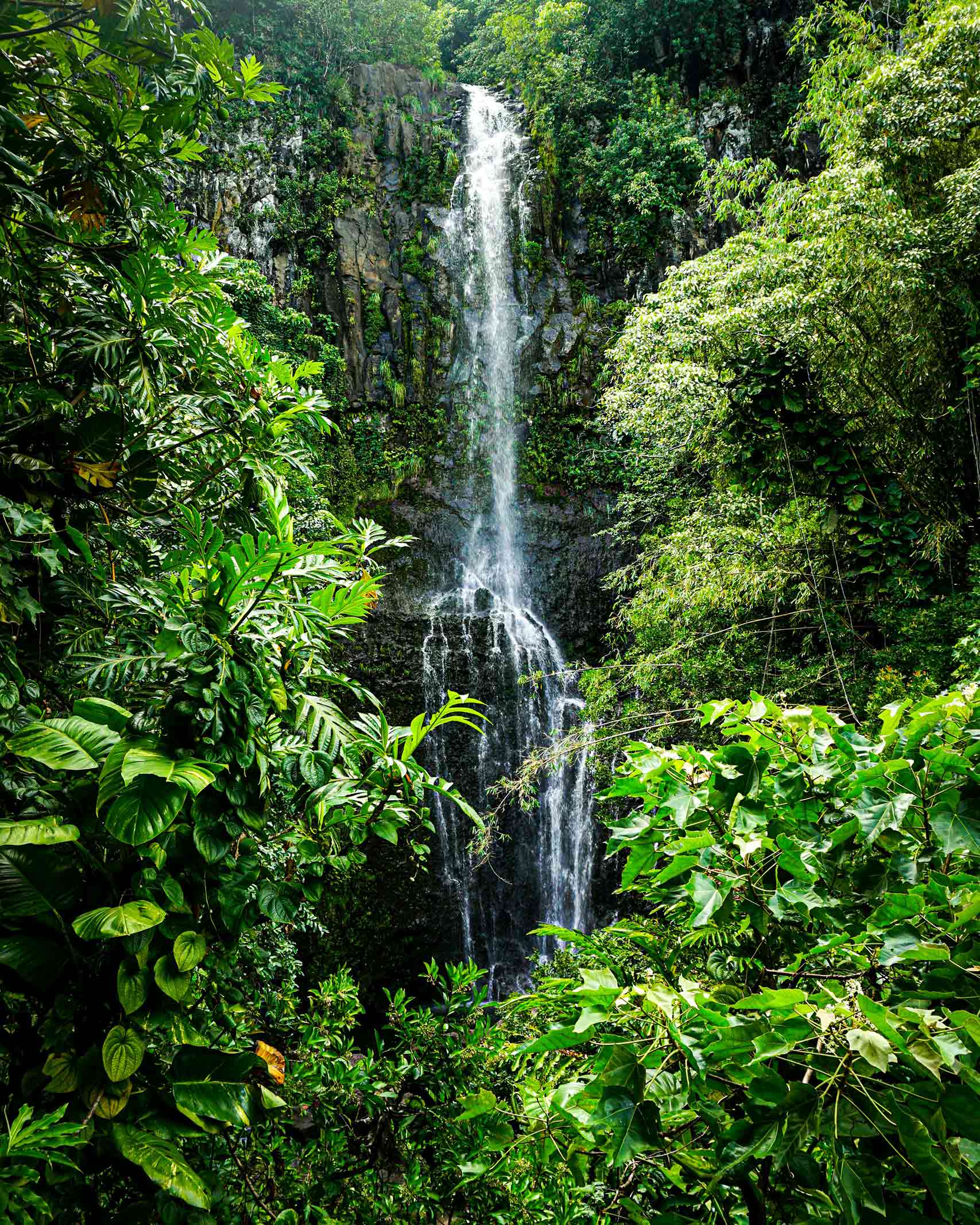
For decades, luxury travel has chased frontiers: the open seas, Himalayan peaks, even the stars. Antarctica and the Atacama have their devotees, but the next big thing feels more vital, more electric and profoundly alive: the world’s rainforests. These ancient, sprawling ecosystems are not just dramatic landscapes – they are Earth’s lungs, cradles of biodiversity and living libraries of secrets that explorers are only beginning to unlock.
Rainforests matter globally: they regulate weather, shelter the majority of terrestrial biodiversity and host countless species found nowhere else. The rewards of visiting are vast. Beyond jaguars, pink river dolphins and exotic birds and amphibians, rainforests hold untapped knowledge of natural medicines, complex ecological systems and cultural wisdom preserved by indigenous communities who have thrived here for generations.
Luxury operators are meeting this frontier with care. Aqua Expeditions takes travellers deep into the Peruvian Amazon aboard the boutique Aqua Nera, combining refined design, world-class cuisine and twice-daily excursions guided by local experts. Manu Wildlife & Peru Community Guides offer lodges in Manu and Tambopata where wildlife walks, “clay lick” birdwatching and cultural encounters connect guests directly to the ecosystem.
Kamba Africa specialises in the Congo Basin’s Odzala-Kokoua National Park, running private lodges and rainforest expeditions in one of Africa’s largest, most remote forests. Rwanda’s rainforests – Nyungwe and Volcanoes National Park – offer luxury trekking among chimpanzees and mountain gorillas, with canopy walkways and immersive experiences.
In Malaysian Borneo, Sarawak opens ancient jungles through community-led tours to longhouses, caves and wildlife sanctuaries, empowering local Dayak communities.
Beyond Asia and South America, Australia’s Daintree Rainforest offers private Aboriginal-led tours, and Panama’s Darién Gap partners with Emberá and Wounaan communities to deliver rare, culturally rich rainforest adventures.
Rainforests are the new frontier because they challenge, teach and reward curiosity. They offer adventure, discovery, cultural exchange and conservation. But we say all of this with a firm word of caution: experience it without exploitation. Rainforests are not playgrounds for spectacle; they are complex living systems demanding humility, respect and vigilance. Yes, we can celebrate these wonders while protecting their integrity, but only if we proceed with caution, awareness and an eye towards their long-term conservation.
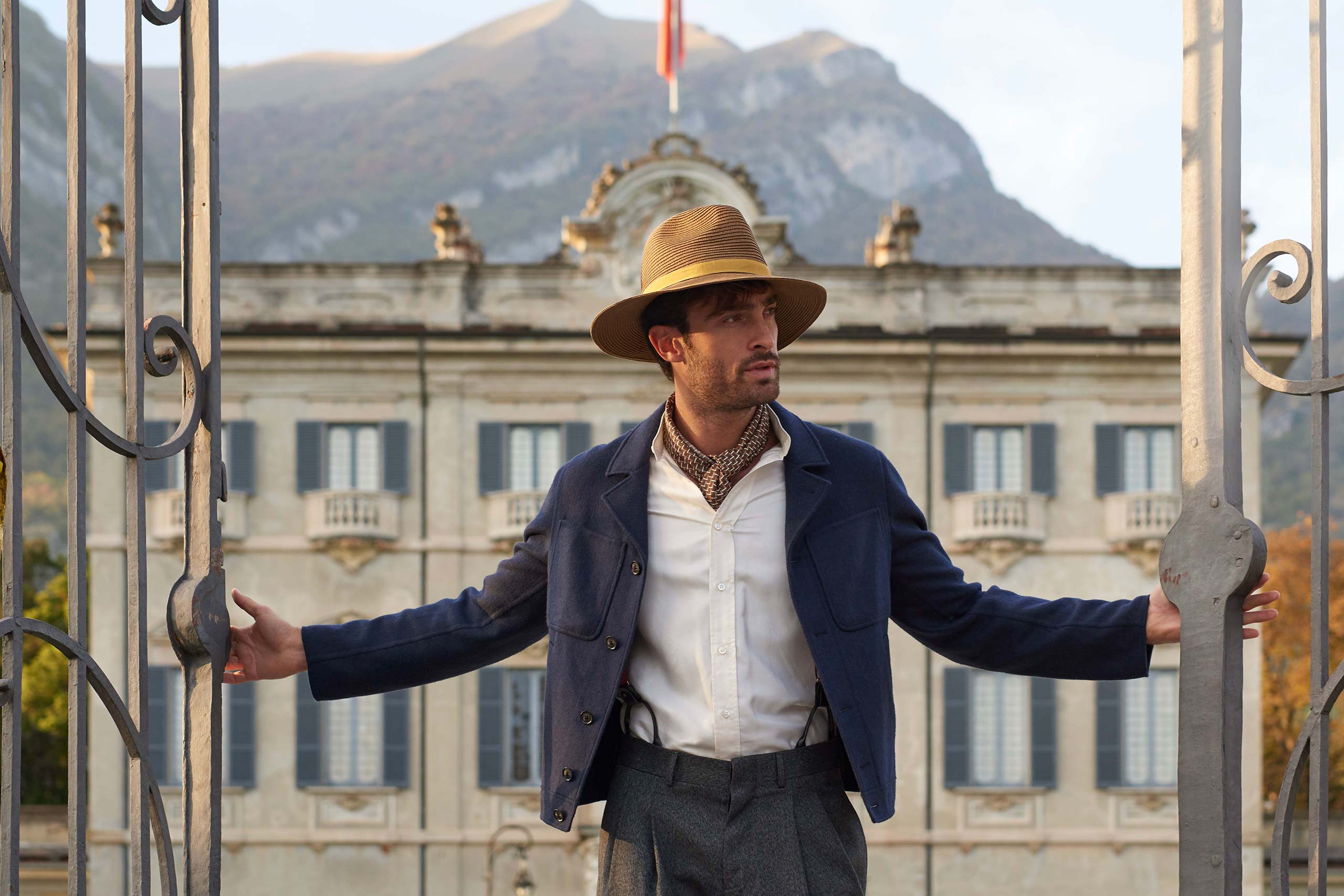
Featured photography by Martin Perry on location at Vila Sola Cabiati, Lake Como, Italy