




Much as we love its stunning beaches and heady urban centres, Florida may not be a beacon of inclusivity for all types of visitors these days – but there’s hope for that to change. With a number of creative initiatives for disabled travellers across the US state, intersectional inclusion could be within reach in a more accessible Florida than we’ve ever seen.
For travellers with disabilities, something as simple as safely accessing a restaurant or hotel can feel like a luxury. So when businesses take accessibility measures to the next level, it goes a long way towards humanising the disabled. This is important, as true inclusivity isn’t just about making places welcoming and accessible, but also about allowing travellers from marginalised communities to explore those places in as normal a manner as everyone else.
Most travellers know Florida for its tropical weather, amusement parks, and glitzy cities like Palm Beach, but what may not be as widely advertised is the state’s array of accessible experiences. In a time when many businesses and destinations are still stuck meeting the bare minimum of accessibility requirements, it’s hopeful to see destinations like Florida lead the way in taking diverse needs into account.
Admittedly, this might come as something of a surprise to some, since Florida hasn’t been the most welcoming to those of all marginalised identities in recent years. The state, as OutThere travellers will be well aware, is home to some of the most oppressive anti-LGBTQ+ laws in the US, which not only prohibit any instruction on gender identity in schools (the so-called “Don’t Say LGBTQ Bill”), but also ban gender-affirming care and trans bathrooms. But as the recent election of Miami’s first Democratic mayor in 30 years reminds us, such policies don’t represent the entire population, and they also elicit pushback. If businesses in the state can cater to people of different physical and mental abilities, it’s not so much of a stretch to imagine a day in which those of different sexual orientations and gender identities, too, are welcomed and catered to with the respect they deserve.
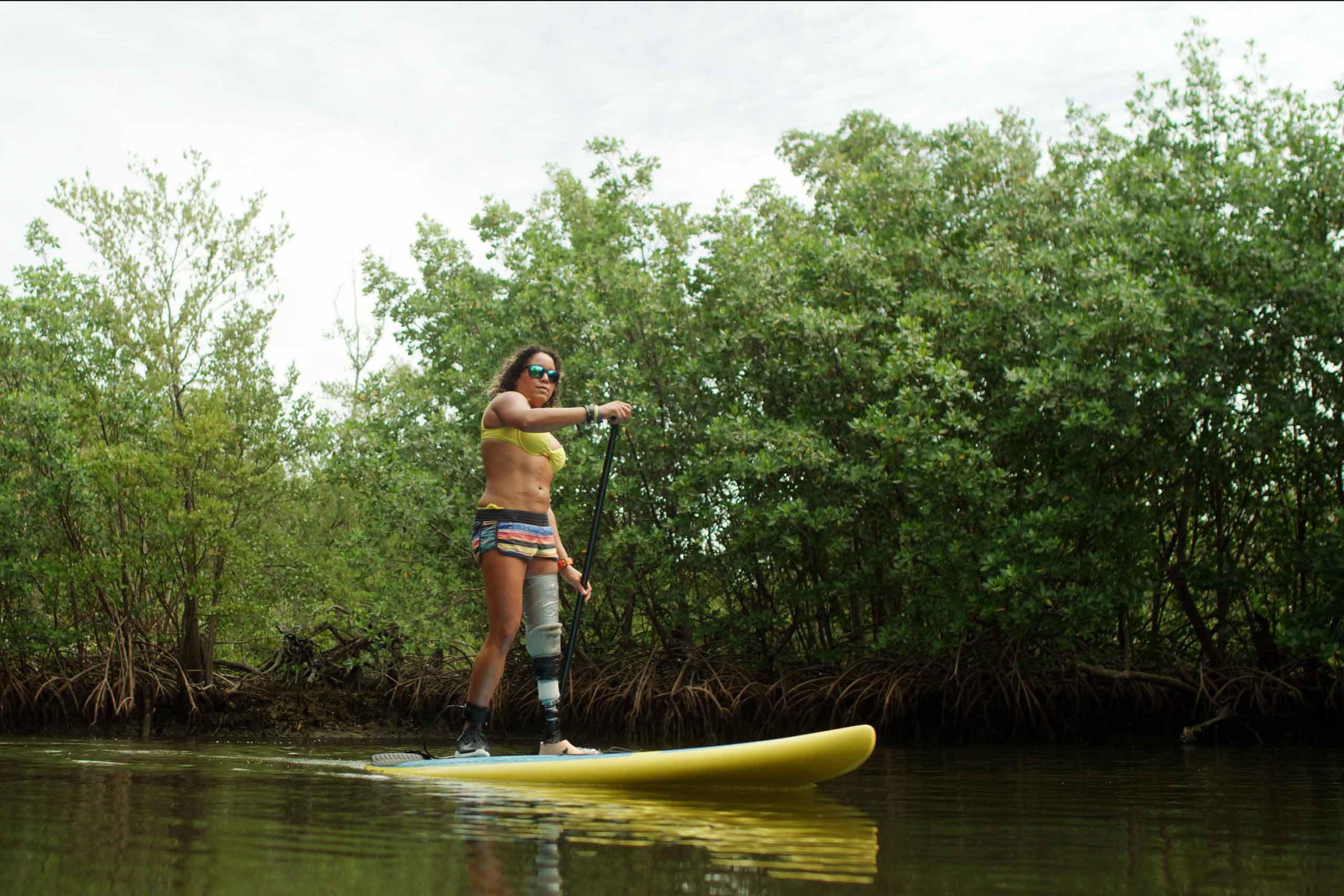
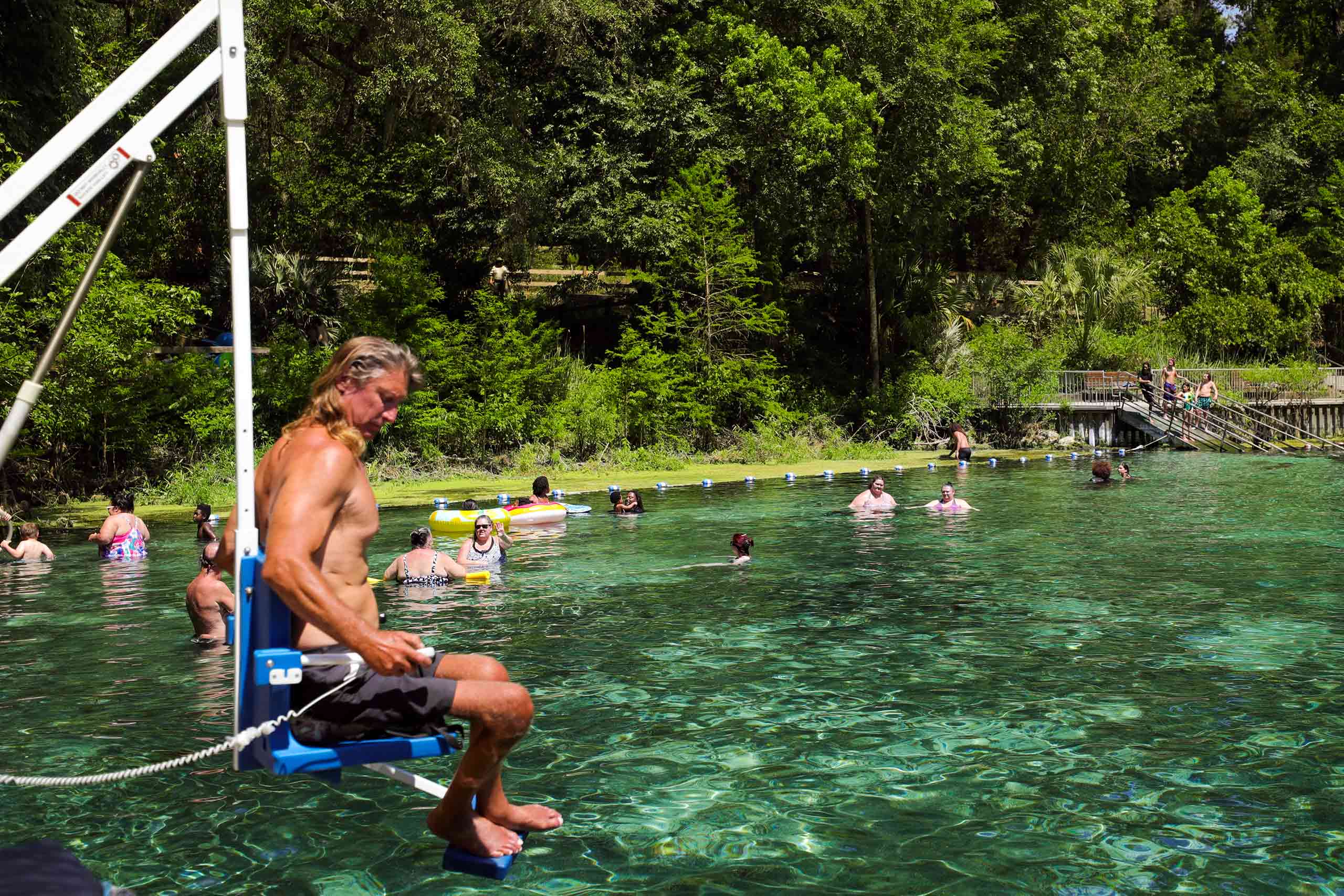
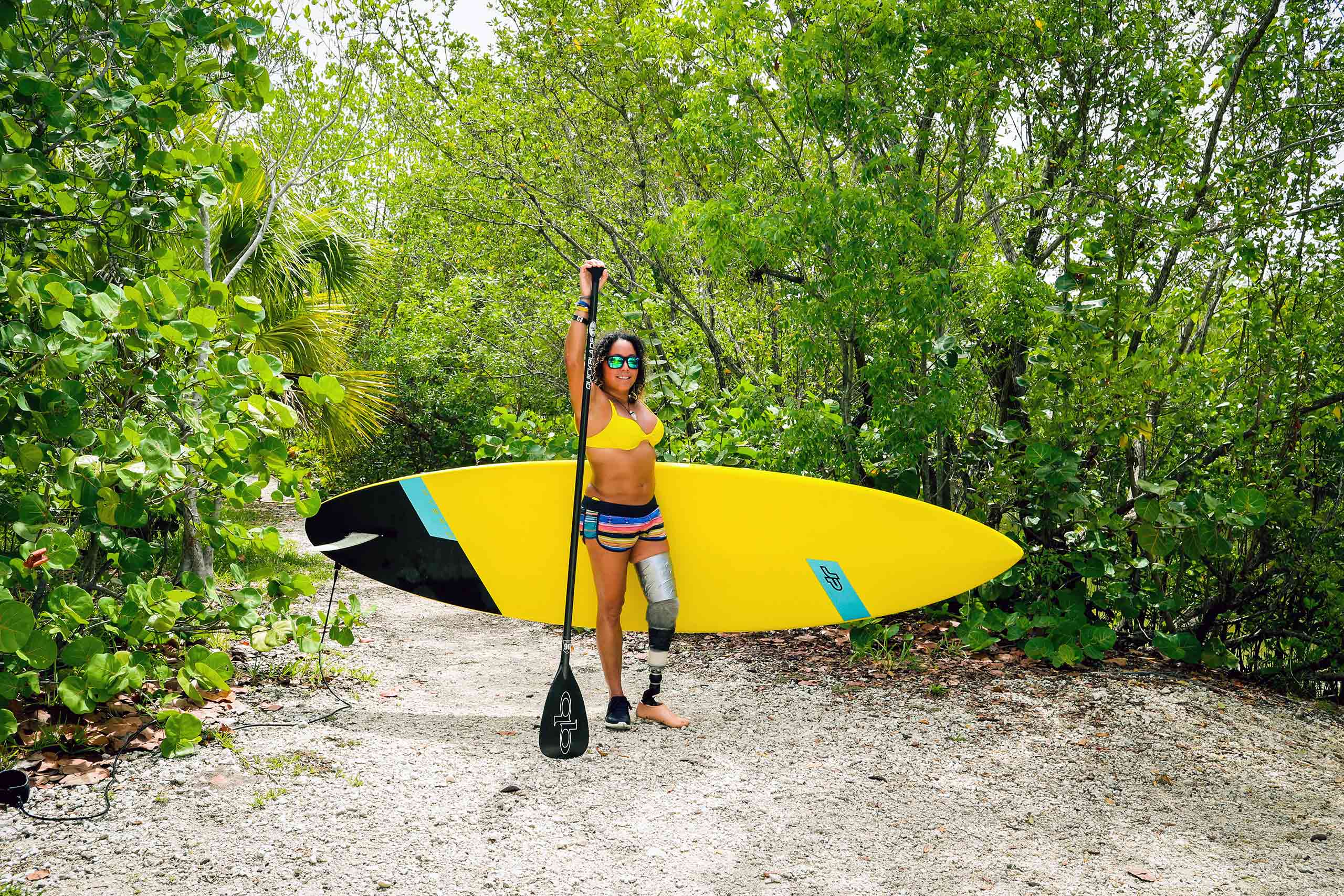
In Florida, some of the most popular outdoor adventures are now accessible to those with physical or mental disabilities. Surfing may not seem like an inherently accessible sport, but EZ Ride Surf School (with locations dotting the coast) trains its instructors in best lip-reading practices so they can guide deaf surfers into the waves, and Oceans of Hope Foundation in New Smyrna Beach rents adaptive surfboards and sea kayaks. Pura Vida Divers, meanwhile, offers adaptive scuba diving programs, including accessible chairs to transport those with mobility issues into the water and special accommodations for divers with PTSD, autism, and traumatic brain injuries. Some boat experiences in the Everglades and Florida State Parks are wheelchair accessible, and there’s even a zipline at Haile Quarry designed specifically for wheelchair users.
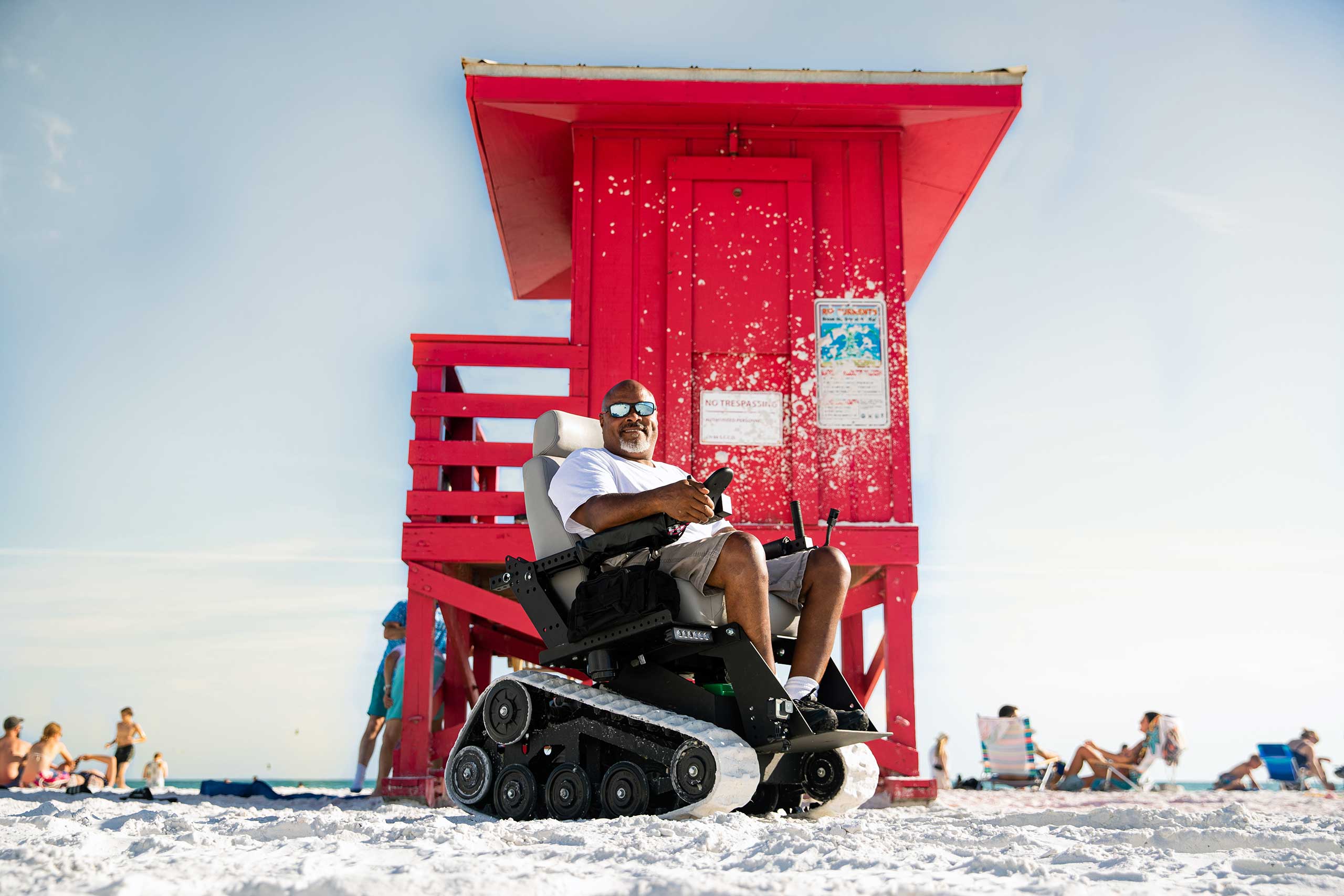
One of the main draws of Florida is its beaches, but sand is notoriously difficult for wheelchair users to navigate. In Panama City Beach in the state’s northwest, visitors will find a solution in the form of all-terrain and floating chairs available for rent from Beach Powered Mobility. Other beaches in the Sunshine State are equipped with ‘Mobi Mats,’ non-slip mats for wheelchair users that allow direct access to the water.
Florida’s accessibility initiatives apply to the neurodivergent, too. In the progressive city of St. Petersburg, The James Museum offers tours designed for travellers who have dementia, and colour-enhancing glasses are available to those with colour blindness or low-colour vision at the Museum of Fine Arts. During Sensory Saturdays at FloridaRAMA Art Gallery, visitors will find lower noise and lighting settings and get access to noise-reducing headphones if needed. The Manatee Lagoon discovery centre in West Palm Beach offers similar programs for those with sensory issues.
These outside-the-box solutions make it possible for people with diverse needs to share amazing travel experiences, yes, but they also have broader implications for tourism as a whole. The more places adopt such accessibility measures, the more they push other businesses and destinations to catch up to compete, prompting a much-needed evolution of industry standards.
What all of this goes to show is that conservative politics in Florida haven’t managed to quash a spirit of celebrating diversity. Empathy is the most important ingredient in inclusivity, and we can only hope that Florida’s empathy won’t be reserved exclusively for those with disabilities but extend to those of other marginalised identities, too. For now, at least, disabled travellers have lots to look forward to during their visit to the Sunshine State.
Photography courtesy of Visit Florida